
Gaza Humanitarian Crisis Strains Middle East Stability and Global Supply Chains
The devastating conflict in Gaza deepens regional instability, severely impacting global supply chains, maritime trade, and international diplomacy.
Geopolitical & Core Developments
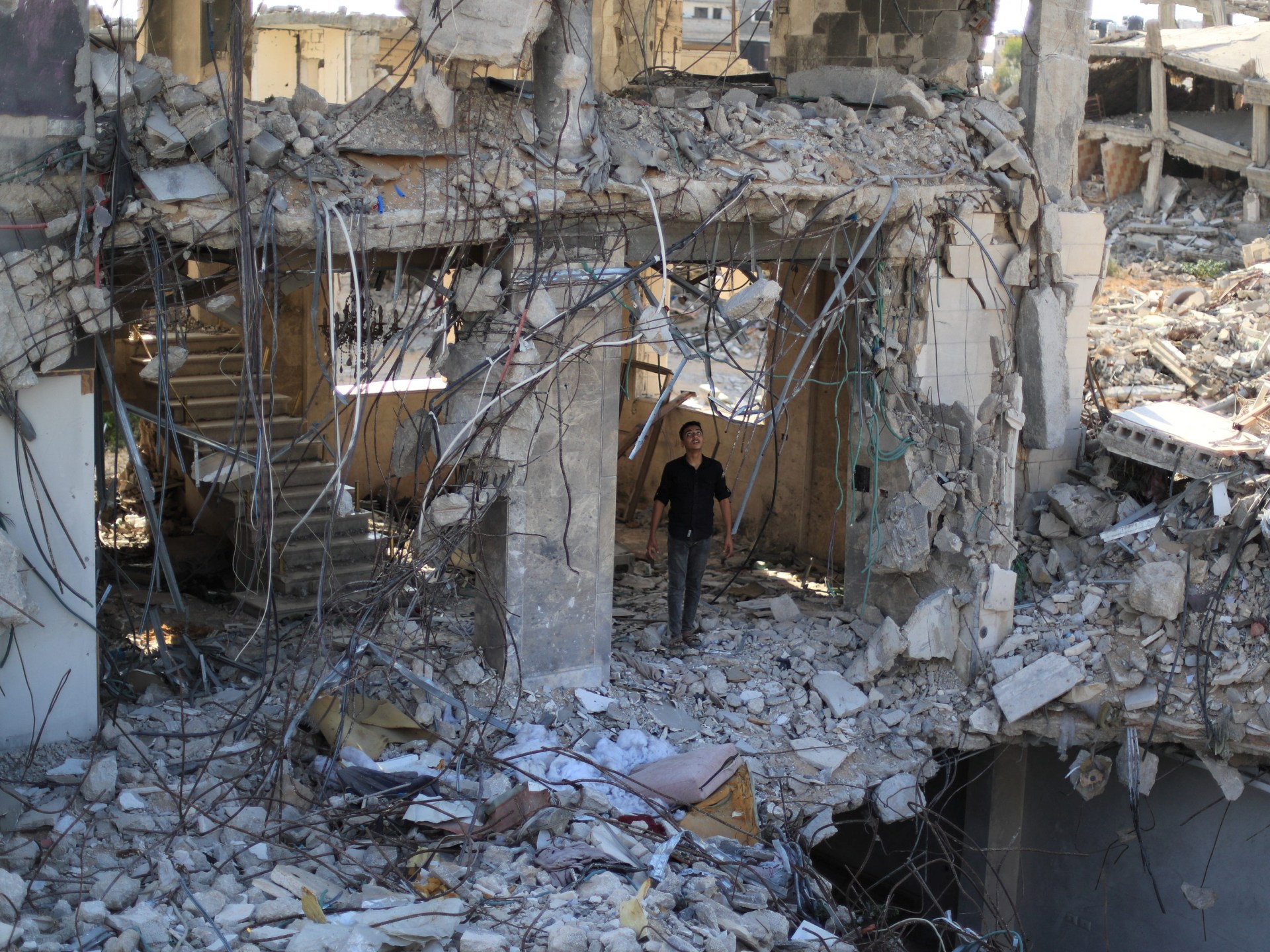
The protracted conflict in Gaza has transcended its immediate geographic boundaries, evolving into a critical nexus of geopolitical instability across the Middle East. State actors and regional factions remain deeply entrenched, with diplomatic channels facing severe gridlock. The devastation has left civic infrastructure completely shattered, displacing millions and creating an unprecedented humanitarian catastrophe. Strategic stakes have escalated as allied networks, including state and non-state actors in Lebanon, Yemen, and the broader Gulf region, signal readiness for prolonged confrontation, fundamentally altering the security architecture of the Levant and the Arabian Peninsula.
Global Trade & Economic Ripples
The reverberations of the conflict have exposed profound vulnerabilities in international commerce, most notably through persistent disruptions in vital maritime chokepoints. Security threats along the Bab el-Mandeb strait and the Red Sea have forced major container shipping lines to reroute vessels around the Cape of Good Hope. This logistical pivot has extended transit times between Asian manufacturing hubs and European markets by up to two weeks, driving up marine insurance premiums and spot freight rates. Consequently, global commodity pricing, particularly for energy imports and manufactured goods, faces persistent inflationary pressures, threatening fragile post-pandemic economic recoveries in import-dependent economies.
Related Intelligence: US Strategic Bomber Realignment Redraws Global Security Architecture
International Reactions & Diplomatic Stances
Multilateral institutions, including the United Nations and the International Court of Justice, have repeatedly issued urgent appeals for immediate ceasefires and unimpeded humanitarian access, citing grave violations of international humanitarian law. Major economic powers remain sharply divided; Western nations balance expressions of diplomatic solidarity with calls for restraint, while emerging economies and Global South coalitions demand immediate enforcement of multilateral resolutions. Market analysts note that this diplomatic polarization has paralyzed coordinated global economic interventions, deepening uncertainty for multinational corporations operating across Middle Eastern and Mediterranean markets.
Strategic Outlook & Future Scenarios
Looking ahead, the trajectory of the crisis points toward prolonged geopolitical friction with acute risks of wider regional escalation. Upcoming international summits and emergency ministerial meetings face daunting challenges in forging viable frameworks for post-conflict reconstruction and security guarantees. Commercial entities are increasingly factoring permanent geopolitical risk premiums into their long-term supply chain strategies. Without a decisive diplomatic breakthrough to address root causes and humanitarian devastation, global commodity markets and shipping corridors will remain highly susceptible to sudden volatility shocks.
Join Our Official WhatsApp Channel
Receive live commodity alerts, policy changes, and commercial intelligence directly on WhatsApp.