
French School Protests Spark Nationwide Unrest and Economic Concerns
Escalating student protests across Paris and Marseille demand increased educational resources and police reform, triggering widespread urban disruptions and economic concerns across France.
Geopolitical & Core Developments
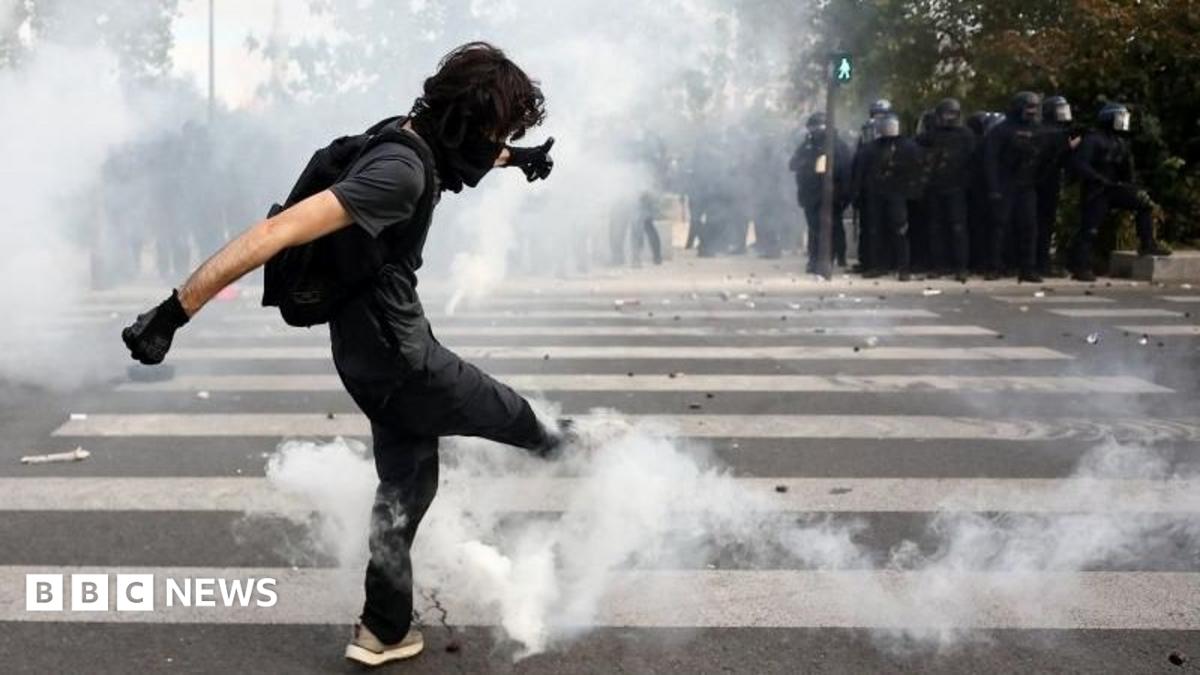
A wave of intense civil unrest has gripped major French urban centers, with Paris and Marseille emerging as epicenters for demonstrations that have rapidly escalated into violent clashes. Thousands of students, predominantly teenagers, have mobilized to demand increased governmental investment in public education infrastructure alongside a cessation of what organizers characterize as heavy-handed police tactics. The protests, which began as localized walkouts over declining classroom resources, have transformed into a broader anti-government mobilization. Security forces deployed tear gas and conducted targeted arrests in both cities as demonstrators blocked thoroughfares, set fire to barricades, and confronted riot police.
The timing of these demonstrations compounds existing political vulnerabilities for the administration of President Emmanuel Macron. France has faced a protracted series of labor disputes, pension reform backlashes, and cost-of-living protests over recent years. The current youth-led movement introduces a volatile new dynamic, drawing parallels to historical student uprisings that successfully challenged French leadership. State actors and domestic political opposition parties are closely monitoring the government's response, weighing whether the administration will opt for concessions or intensified security enforcement to restore public order.
Global Trade & Economic Ripples
While ostensibly focused on domestic educational policy, the sustained unrest in France carries tangible economic repercussions for the broader eurozone. Paris and Marseille house critical commercial hubs, transport corridors, and retail districts that have experienced significant disruptions due to street blockades and transit halts. Foreign investors and international credit agencies are scrutinizing the potential impact on consumer confidence and domestic retail spending during a critical economic quarter. Prolonged civil disruption invariably depresses tourism revenue, impacts hospitality sectors, and strains municipal budgets tasked with repairing urban infrastructure.
On a macroeconomic scale, persistent domestic instability in core eurozone economies influences investor sentiment toward the euro. European commodity markets and supply chains operating through French logistics networks have experienced localized delays, raising freight costs for regional distributors. Although global energy markets and primary commodity pricing remain largely insulated from localized school protests, any escalation that broadens into general strikes involving transport and energy unions poses a direct threat to continental supply chain continuity.
Related Intelligence: France Suspends High Schools Amid Escalating Civil Unrest and Clashes
International Reactions & Diplomatic Stances
International observers, including diplomats and human rights organizations, have expressed concern over the deployment of tear gas and aggressive policing methods against minor-aged demonstrators. While foreign ministries have largely categorized the demonstrations as an internal French matter, multilateral monitors emphasize the importance of protecting the right to peaceful assembly and free expression. Financial analysts in London and Frankfurt have updated their risk assessments for French sovereign debt, noting that persistent social friction weakens the government's capacity to implement structural fiscal reforms mandated by European Union budgetary frameworks.
Strategic Outlook & Future Scenarios
Looking ahead, the trajectory of the French student movement hinges on the government's willingness to engage in substantive dialogue versus its reliance on law enforcement containment. Upcoming national legislative sessions and scheduled union meetings will serve as critical barometers for whether these student demonstrations coalesce with broader labor grievances into a paralyzing national strike. Geopolitical risk analysts warn that failure to address underlying youth disenfranchisement and resource deficits in public institutions could trigger recurring cycles of urban unrest, undermining economic growth forecasts and testing the resilience of French democratic governance well into the fiscal year.
Join Our Official WhatsApp Channel
Receive live commodity alerts, policy changes, and commercial intelligence directly on WhatsApp.