
Geopolitical and Economic Dimensions of the UEFA Nations League Final
An analysis of the broader commercial, diplomatic, and economic impacts surrounding the high-stakes UEFA Nations League final clash between Croatia and Spain.
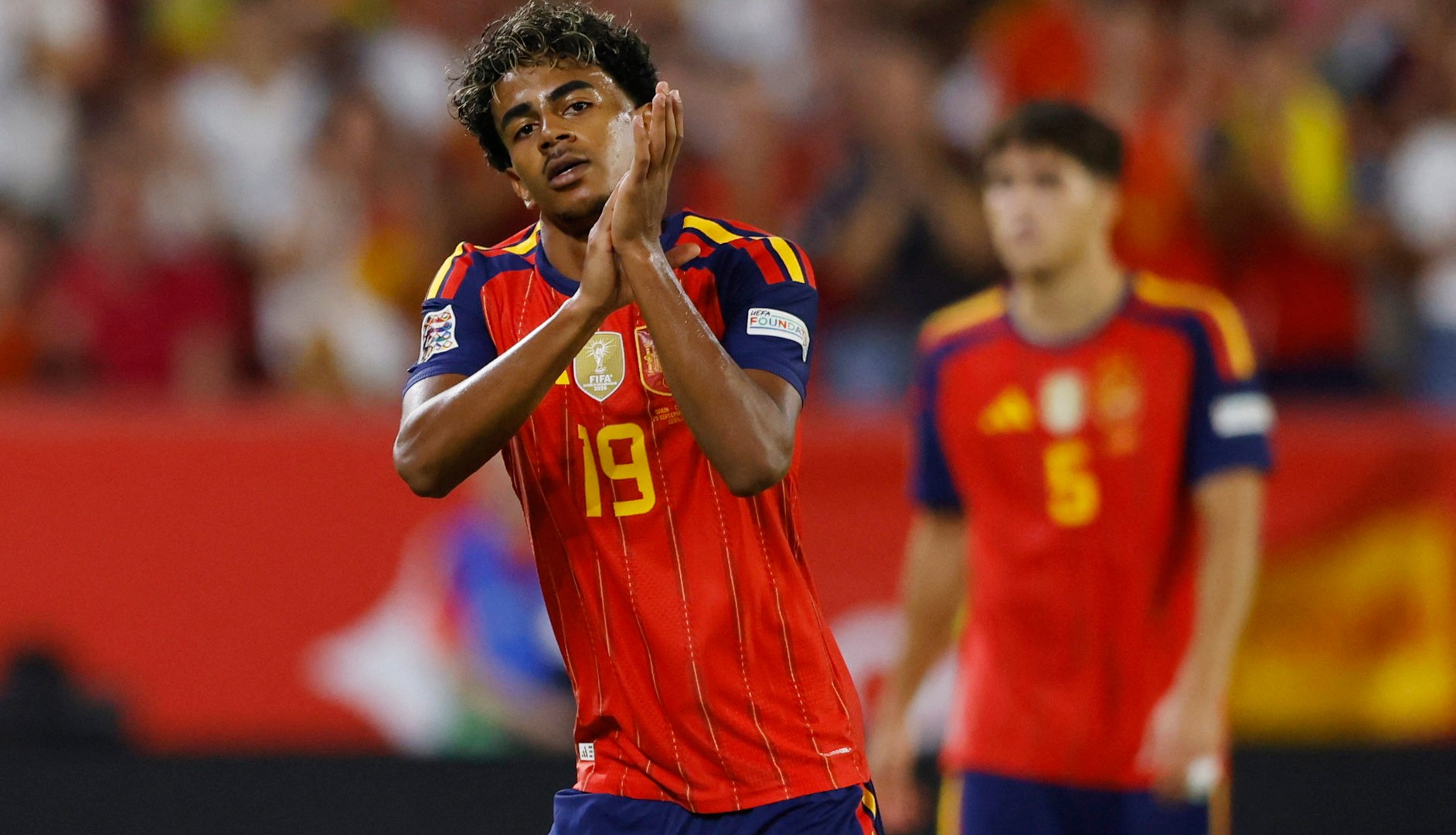
Geopolitical & Core Developments
The clash between Croatia and Spain in the UEFA Nations League final transcends athletic competition, serving as a prominent stage for European soft power and diplomatic visibility. Major continental tournaments draw heads of state, foreign ministers, and high-ranking diplomats, transforming sporting arenas into informal corridors of international negotiation. For Zagreb and Madrid, athletic diplomacy reinforces bilateral ties and projects national prestige across the European Union and the wider international community. The fixture highlights the structural evolution of European football governance, where transnational governing bodies like UEFA wield quasi-diplomatic influence, establishing regulatory frameworks and hosting mega-events that require intricate security cooperation among sovereign states. The strategic stakes extend to national identity and regional influence, as both nations leverage their athletic standing to bolster international reputation and domestic cohesion.
Global Trade & Economic Ripples
Elite international football competitions function as massive commercial engines, generating substantial ripples across global service sectors, hospitality industries, and media markets. The influx of tens of thousands of travelling supporters stimulates international aviation, hotel occupancy rates, and local retail economies, providing a measurable boost to European tourism revenues. Concurrently, the broadcast rights for such high-profile fixtures command multi-million-dollar valuations, driving advertising revenues and corporate sponsorship inflows across global markets. Telecommunications infrastructure and digital streaming networks experience peak demand, testing global bandwidth capacities and commercial distribution models. Furthermore, official merchandising supply chains—spanning manufacturing hubs in Asia to retail outlets across Europe—demonstrate the complex, globalized nature of sports commerce, where brand value translates directly into substantial cross-border capital flows and intellectual property licensing revenues.
Related Intelligence: France Protests Enter Critical Phase as Nationwide Strikes Threaten Supply Chains
International Reactions & Diplomatic Stances
Ahead of the high-profile encounter, international sports bodies, economic analysts, and governmental agencies issued statements emphasizing the broader socio-economic value of European athletic integration. Economic research institutions released preliminary impact assessments predicting robust localized GDP expansion for the host region, while tourism boards highlighted the long-term branding benefits of global media exposure. Multilateral organizations, including the Council of Europe's sports division, praised the organizational collaboration between Croatian and Spanish authorities, citing effective security protocols and transnational logistical coordination. Financial market analysts noted that while individual matches do not alter macroeconomic trajectories, sustained success in premier continental competitions enhances destination branding, directly benefiting foreign direct investment inflows into tourism and service sectors over the medium term.
Strategic Outlook & Future Scenarios
Looking ahead, the commercial and geopolitical trajectory of European international football points toward increased corporate consolidation and expanded global media reach. As UEFA prepares for upcoming qualification cycles and tournament expansions, financial stakeholders anticipate rising broadcasting valuations in emerging Asian and North American markets. For nations like Croatia and Spain, maintaining competitive excellence requires continued investment in youth development academies and sports infrastructure, which in turn depends on stable corporate sponsorships and public-private funding models. Future geopolitical summits involving European leaders will likely continue to utilize major athletic tournaments as catalysts for fostering regional cooperation, cultural exchange, and high-level bilateral diplomacy amid a shifting global landscape.
Join Our Official WhatsApp Channel
Receive live commodity alerts, policy changes, and commercial intelligence directly on WhatsApp.