
Opposition Coalition TTAP Sets Strict Conditions for Talks With Shehbaz Sharif
Opposition alliance Tehreek-e-Tahafuz Ayeen-e-Pakistan has placed formal preconditions on proposed talks with Prime Minister Shehbaz Sharif, demanding the release of political detainees and transparent negotiation frameworks.
The Core Development
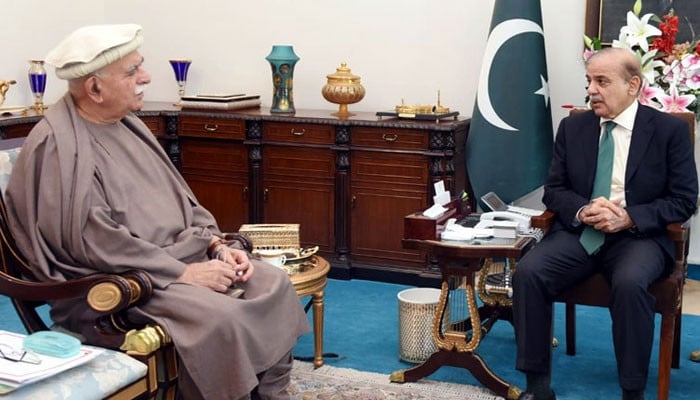
The political landscape in Islamabad witnessed fresh friction as the opposition alliance, Tehreek-e-Tahafuz Ayeen-e-Pakistan (TTAP), headed by Pashtunkhwa Milli Awami Party chief Mahmood Khan Achakzai, laid down stringent preconditions to engage in formal talks with Prime Minister Shehbaz Sharif. Following an informal overture from the federal coalition inviting opposition figures to initiate political dialogue, TTAP leadership convened to articulate a unified stance.
The alliance stipulated two fundamental demands: the immediate cessation of political prosecutions alongside the release of incarcerated leadership and workers, particularly from Pakistan Tehreek-e-Insaf (PTI), and the establishment of a verifiable, transparent mandate for bilateral negotiations. Speaking on behalf of the coalition, key representatives emphasized that dialogue cannot proceed under the shadow of state coercion. The federal government, navigating tight legislative agendas and structural reforms, had pitched the reconciliation offer as a measure to forge broader national consensus. However, the opposition's firm conditions signal that bridging the polarized divide between the Treasury and Opposition benches will require significant state concessions before substantive political negotiations can commence.
Commercial & Economic Implications
For Pakistan’s commercial architecture, prolonged political volatility creates direct macroeconomic friction. The continuing standoff between the federal administration and the parliamentary opposition clouds policy predictability, which is critical for medium- and long-term planning across manufacturing, logistics, and retail distribution channels. Retailers and wholesale traders in major metropolitan hubs like Karachi, Lahore, and Faisalabad frequently bear the downstream impact of political instability through sudden urban shutdowns, transport disruptions, and fluctuating currency valuations.
Furthermore, institutional policy consistency remains a core benchmark for international lending agencies and bilateral partners supporting Pakistan's fiscal stabilization programs. Sustained political contestation weakens investor confidence, discouraging foreign direct investment and compelling domestic capital to adopt defensive liquidity positions. When commercial enterprises withhold capital expenditures due to governance ambiguities, supply chain investments stall, amplifying inflationary pressures on essential goods and consumer retail sectors.
Related Intelligence: Prime Minister Addresses Apex Committee Following Khyber Pakhtunkhwa Governance Overhaul
Stakeholder Perspectives & Market Reactions
Market participants and corporate leaders have expressed caution over the ongoing impasse. The business community, represented by chambers of commerce across the provinces, has repeatedly urged both the government and opposition to de-escalate tensions, warning that protracted domestic friction undermines industrial productivity and export competitiveness.
Legal and governance analysts note that while the federal government seeks political stability to enforce challenging structural reforms under the International Monetary Fund framework, TTAP's insistence on legal relief for its cadre represents an entrenched negotiating baseline. Commercial trade bodies assert that without an institutional mechanism guaranteeing political continuity, wholesale trading volumes will remain depressed, as distributors minimize inventory risks ahead of potential street mobilization or protest announcements.
Forward Outlook & Key Watchpoints
The trajectory of this initiative hinges on the federal government's willingness to make calibrated gestures through administrative or judicial avenues. Key watchpoints over the coming weeks include whether the Prime Minister's office will deploy intermediary emissaries to deliberate on the conditions, or if the federal administration will reject the terms as non-negotiable legal matters outside executive authority.
Observers are also monitoring whether TTAP will pivot toward broader public demonstrations should backchannel communications fail. The resolution—or escalation—of this deadlock will fundamentally determine Pakistan's socio-political stability, directly impacting foreign exchange resilience, market liquidity, and broader business confidence across the national economy.
Join Our Official WhatsApp Channel
Receive live commodity alerts, policy changes, and commercial intelligence directly on WhatsApp.