
Pakistan and EU Expand Strategic Counterterrorism Ties at Bilateral Dialogue
Pakistan and the European Union have agreed to intensify counterterrorism cooperation at the United Nations and other multilateral forums following bilateral discussions in Islamabad.
The Core Development
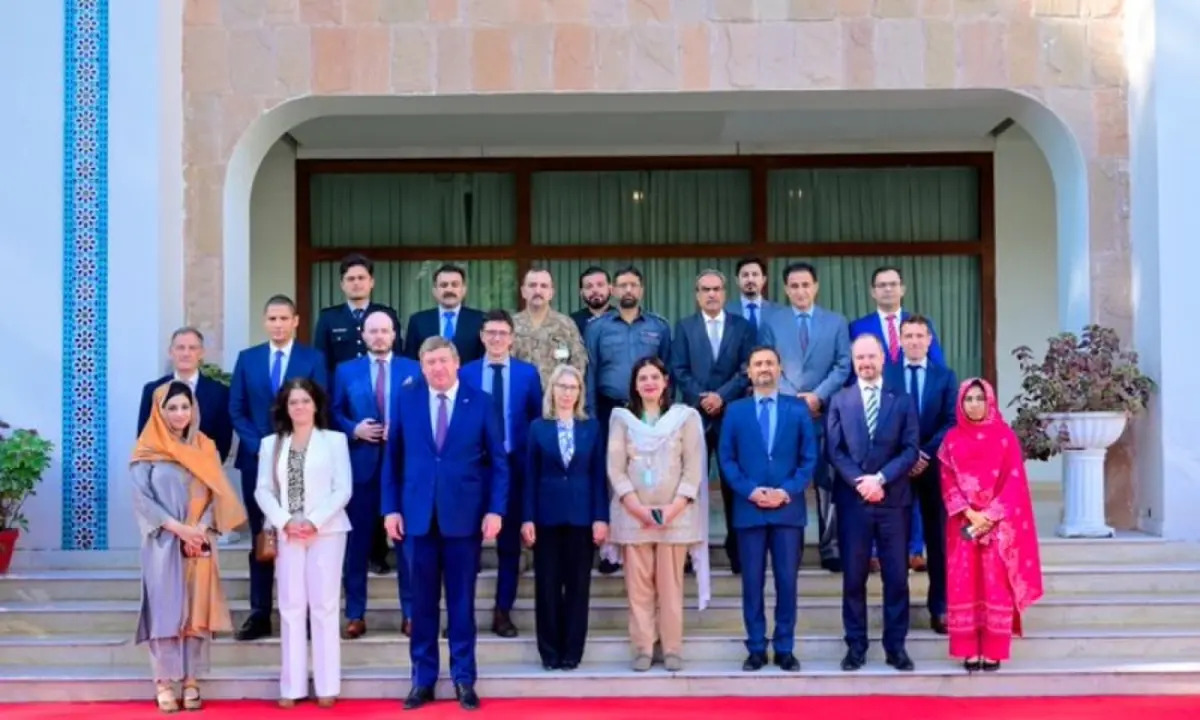
Pakistan and the European Union have formalised a joint commitment to expand and harmonise counterterrorism operations across multilateral institutions, notably the United Nations. The consensus was concluded during the 10th round of the Pakistan-EU Bilateral Counterterrorism Dialogue hosted in Islamabad.
The Pakistani delegation was headed by Dr. Fareha Bugti, Director General for Counterterrorism at the Ministry of Foreign Affairs, while the European Union delegation was led by Anna Strazska, Special Envoy for Counterterrorism at the European External Action Service (EEAS). The high-level talks evaluated prevailing regional security challenges, cross-border threat perceptions, and institutional mechanisms designed to suppress radicalisation, terrorist financing, and violent extremism.
Both sides explored enhanced legal frameworks and capacity-building avenues to align counterterrorism enforcement with international obligations. The consultations focused on deepening technical intelligence exchanges, standardising digital investigation protocols, and maintaining institutional continuity within the broader Pakistan-EU Strategic Engagement Plan.
Commercial & Economic Implications
While the primary scope of the bilateral dialogue is national and transnational security, the economic consequences for Pakistan's commercial landscape are direct and structural. Stable diplomatic and security alignments with Brussels are vital for protecting Pakistan's trade privileges, specifically the Generalized Scheme of Preferences Plus (GSP+) status, which provides zero-rated tariff access to European markets.
For wholesale merchants, commercial distributors, and major manufacturing sectors—predominantly textiles, leather, and agribusiness—sustained diplomatic alignment reduces institutional risk. European purchasers consistently prioritize stable jurisdictions with verifiable regulatory compliance, transparent anti-money laundering (AML) controls, and counter-terrorist financing (CTF) frameworks.
Enhanced multilateral alignment reinforces the stability of Pakistan's banking sector, lowering the compliance drag on cross-border financial transactions. Reductions in institutional counterparty risk directly translate to lower confirmation costs for Letters of Credit (LCs), improved supply chain reliability for imported raw inputs, and reduced freight risk premiums levied by international shipping cartels on domestic ports.
Related Intelligence: President Zardari to Visit Germany to Boost Trade and Investment Ties
Stakeholder Perspectives & Market Reactions
Financial sector analysts and export associations have welcomed the successful completion of the dialogue. The Pakistan Readymade Garments Manufacturers and Exporters Association (PRGMEA) and various chambers of commerce noted that constructive diplomatic engagements with the European External Action Service provide immediate confidence to international retail brands sourcing finished apparel from domestic facilities.
Legal and compliance practitioners emphasized that closer integration with European counterterrorism mechanisms reinforces Pakistan's standing with international regulatory watchdogs, including the Financial Action Task Force (FATF). Legal advisors noted that institutional collaboration at the United Nations level limits geopolitical frictions, providing regulatory certainty that directly benefits long-term direct investment.
Official quarters within the Ministry of Foreign Affairs confirmed that both delegations acknowledged the significant sacrifices made by Pakistani security agencies in stabilizing the region, setting a constructive foundation for ongoing non-trade and trade evaluations.
Forward Outlook & Key Watchpoints
The immediate forward trajectory centres on the execution of joint monitoring frameworks established during the 10th dialogue round. Working groups from both jurisdictions are scheduled to maintain technical-level interactions throughout the fiscal year to streamline multilateral voting positions and technical exchanges.
Market observers and trade bodies will monitor whether this security alignment accelerates broader economic dialogues, particularly concerning the extension and evaluation parameters of the EU's post-2023 GSP scheme. The continuity of institutional transparency and administrative implementation of CTF regulations will remain primary indicators for European trade evaluators and regional market participants alike.
Join Our Official WhatsApp Channel
Receive live commodity alerts, policy changes, and commercial intelligence directly on WhatsApp.