
France Identifies First Human Shamonda Virus Case Amid Biosafety Vigilance
France has confirmed the first known human case of the Shamonda virus. While public health officials report no wider danger, agricultural and trade surveillance have been elevated.
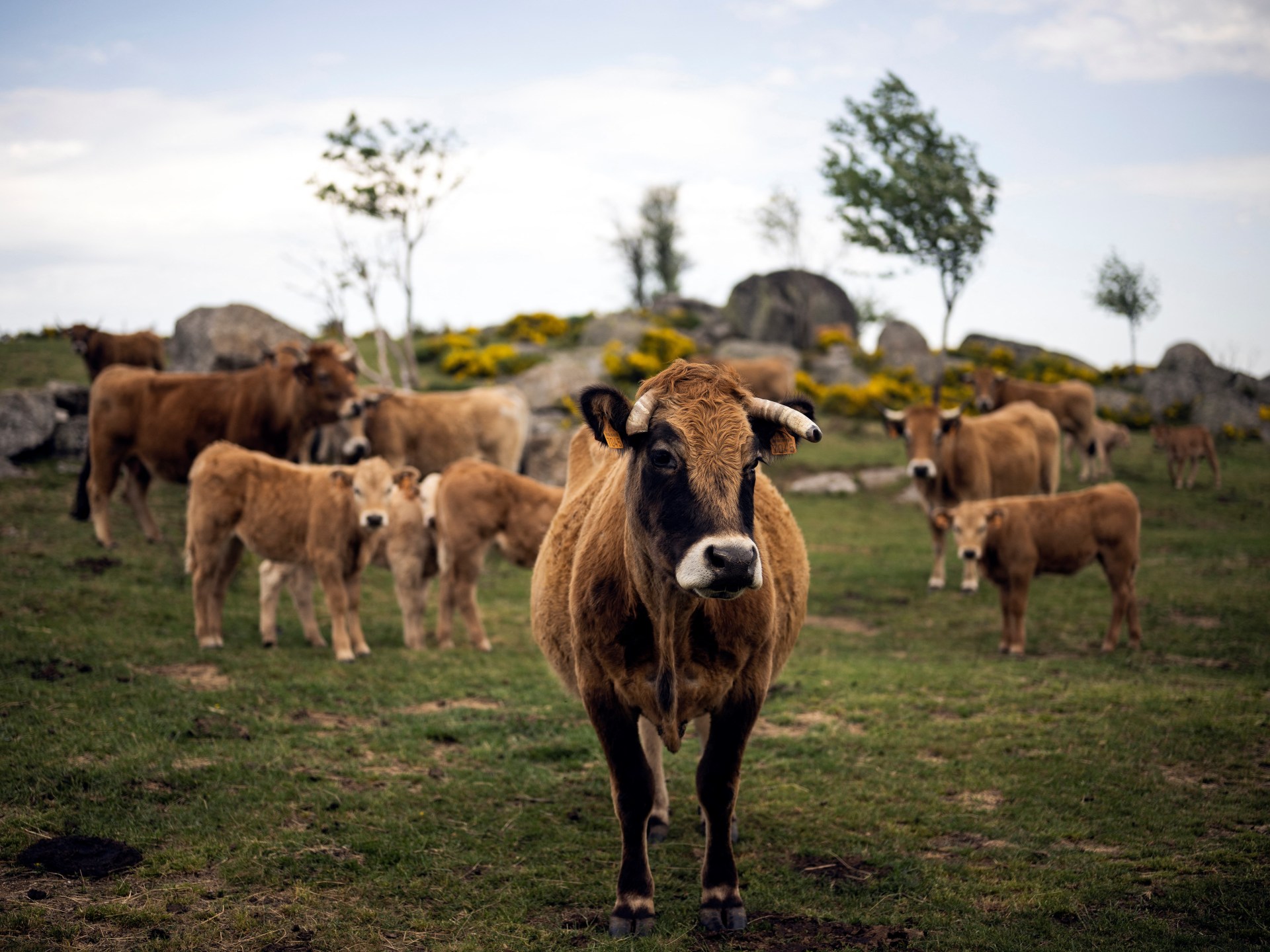
Geopolitical & Core Developments French public health authorities have confirmed the world's first documented case of human infection involving the [Shamonda virus](/news/france-first-human-case-shamonda-virus-livestock-markets), an arbovirus historically confined to ruminants and cattle populations across Africa and parts of Eurasia. Discovered in an agricultural region of France, the case marks an unprecedented epidemiological crossover, as scientific consensus had long maintained that the virus was entirely non-transferable to humans.
The French Ministry of Health and the European Centre for Disease Prevention and Control (ECDC) acted swiftly to downplay immediate alarm, emphasizing that the patient presented mild, localized symptoms and made a full recovery without requiring advanced intervention. Genomic sequencing confirmed that while the pathogen demonstrated zoonotic spillover capabilities under specific conditions, there is no evidence of secondary human-to-human transmission. Nevertheless, the development has triggered immediate inter-agency diplomatic discussions across the European Union, prompting specialized task forces to review biosecurity frameworks, vector monitoring, and border surveillance for live animal imports.
Global Trade & Economic Ripples The commercial consequences of vector-borne veterinary pathogens reaching human hosts, even benignly, carry immediate implications for global agricultural commodity markets. European livestock markets, particularly French beef and dairy exports, are subject to stringent phytosanitary inspections. Major importing partners across the [Middle East](/news/high-stakes-israeli-election-threatens-middle-east-trade-corridors-and-energy-st), North Africa, and Southeast Asia are expected to request additional documentation ensuring livestock herds remain uncompromised.
While France's domestic supply chains remain stable, logistics operators and agricultural trading houses are bracing for increased administrative hurdles. Sanitary and phytosanitary (SPS) barriers often emerge rapidly following atypical pathogenic discoveries, which could slow down clearance times at regional maritime hubs and land border crossings. Insurance premiums for livestock transit and cross-border animal logistics could experience marginal increases as underwriters incorporate novel zoonotic risks into existing policy frameworks.
Related Intelligence: France Reports First Fatal Human Case of Livestock-Linked Shamonda Virus
International Reactions & Diplomatic Stances The World Health Organization (WHO), alongside the World Organisation for Animal Health (WOAH), acknowledged the French findings and praised the transparency of the French scientific apparatus. A WHO spokesperson noted that surveillance systems functioned as designed, identifying an isolated case before any widespread transmission could materialize. The organization emphasized that travel restrictions or broad trade embargoes are entirely unjustified based on current clinical data.
Conversely, regional trade delegations and veterinary bodies in key partner nations have maintained a posture of cautious observation. The European Commission stated that it is liaising directly with national reference laboratories across EU member states to harmonize testing protocols. Several global commodity analysts noted that while market fundamentals in agricultural commodities remain sound, persistent reporting of unusual viral spillovers could lead more conservative regulatory regimes to temporarily tighten import clearances on dairy and meat derivatives.
Strategic Outlook & Future Scenarios In the coming months, international attention will center on vector tracking initiatives overseen by the European Commission's Health Emergency Preparedness and Response Authority (HERA). The Culicoides biting midges responsible for transmitting the Shamonda virus have expanded their northern geographical range in recent decades due to changing climatic patterns and rising baseline temperatures across southern and central Europe.
If localized livestock surveillance detects wider viral prevalence, international trading partners may demand formal bilateral health protocols before accepting seasonal livestock shipments. Moving forward, European authorities will focus on expanding vector-control measures, standardizing diagnostic kits across member states, and presenting comprehensive findings at upcoming international veterinary assemblies to avert protectionist trade responses disguised as biosecurity safeguards.
Join Our Official WhatsApp Channel
Receive live commodity alerts, policy changes, and commercial intelligence directly on WhatsApp.