
Northern Ireland Standoff Revives Geopolitical and Economic Pressures
Renewed tensions along Northern Ireland's Garvaghy Road threaten regional political stability and post-Brexit trade frameworks, drawing close scrutiny from international investors and global policymakers.
Geopolitical & Core Developments
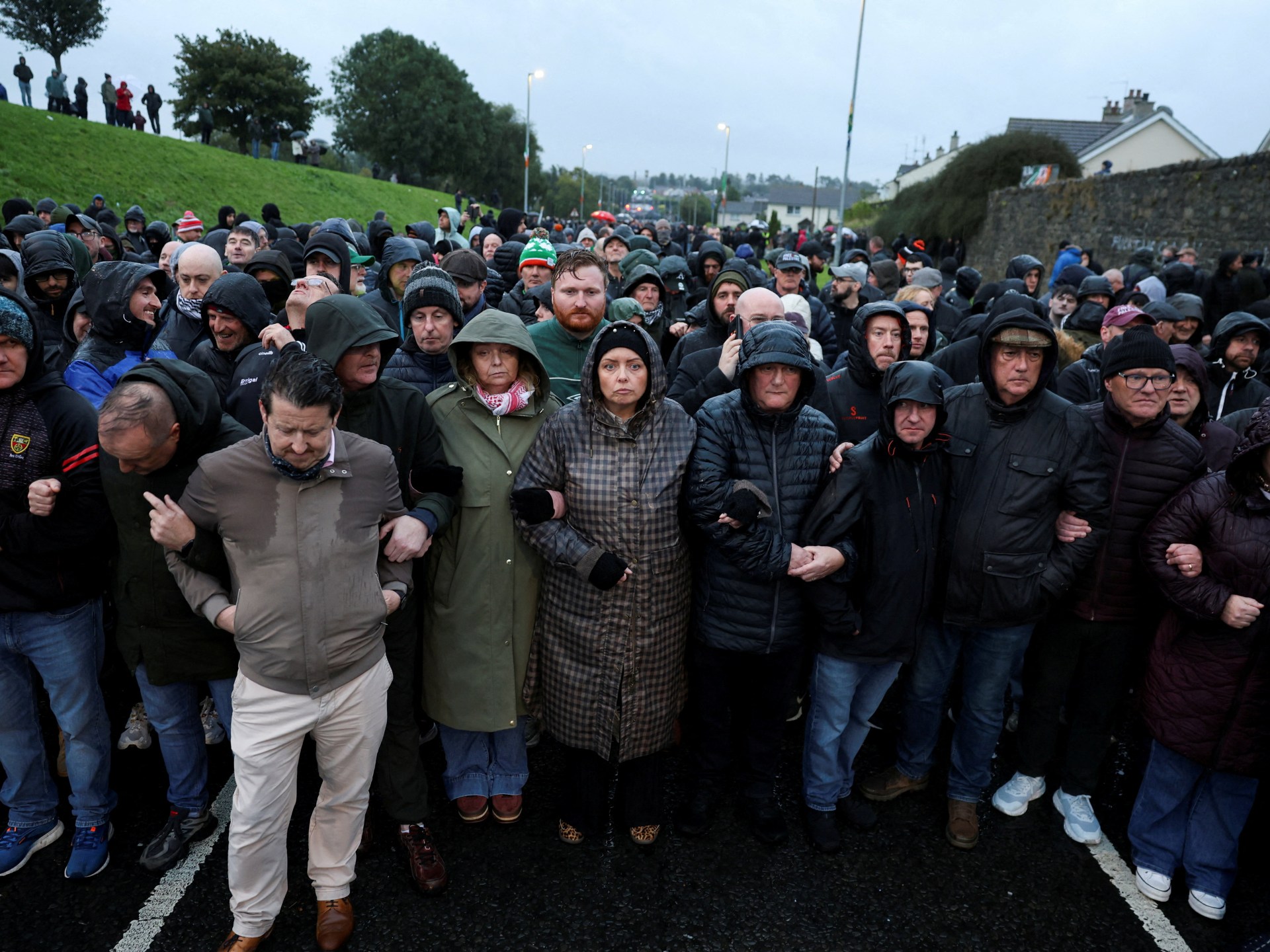
The resurfacing of long-standing sectarian friction along Portadowns Garvaghy Road has abruptly thrust Northern Irelands fragile political settlement back into the international spotlight. A tense standoff involving local residents blocking an annual Orange Order parade has ignited legal disputes, rekindled historical grievances, and strained power-sharing arrangements within the region. This localized flashpoint is not merely a domestic cultural dispute; it strikes at the heart of the delicate political architecture established by the 1998 Good Friday Agreement. State actors in London, Dublin, and Brussels are closely monitoring the situation as community leaders and paramilitary legacy factions posture for influence. The revival of civil unrest threatens to unravel years of painstaking peacebuilding, introducing fresh diplomatic friction between the United Kingdom and the European Union just as bilateral relations were showing signs of pragmatic stabilization. Diplomatic channels are currently working overtime to prevent minor street-level confrontations from escalating into systemic institutional paralysis.
Global Trade & Economic Ripples
While the immediate crisis manifests as a civil security challenge, the economic and commercial ramifications extend far beyond local municipal boundaries. Northern Ireland occupies a unique regulatory position under the Windsor Framework, functioning simultaneously within the United Kingdom internal market and the European Union single market for goods. Any prolonged political instability or localized unrest directly threatens the seamless flow of goods across the Irish Sea and the North-South land border. Global supply chain managers and logistics firms utilizing these critical European maritime and terrestrial trade corridors are re-evaluating risk matrices. Although direct commodity pricing impacts remain subdued, insurance premiums for cross-border logistics and regional manufacturing facilities face upward pressure. Furthermore, foreign direct investment into the region—traditionally reliant on political predictability and uninterrupted regulatory alignment—threatens to stall as corporate boards reassess operational exposure to renewed sectarian volatility.
Related Intelligence: Strait of Hormuz Oil Flows Recover Despite Persistent Geopolitical Risk
International Reactions & Diplomatic Stances
International bodies and key trade partners have expressed deep concern over the deterioration of public order and political discourse in the region. Spokespersons for the European Commission emphasized the absolute necessity of maintaining stability and upholding all commitments outlined in existing withdrawal and trade treaties. Washington, which has historically played a vital guarantor role in the Northern Irish peace process, issued cautious statements urging all political leaders to exercise restraint and prioritize dialogue over division. Market analysts and geopolitical risk consultancies have upgraded their threat assessments for the region, warning clients that institutional deadlock in Stormont could cascade into broader macroeconomic uncertainty. Foreign ministries across G7 nations are coordinating intelligence and diplomatic messaging to ensure that local civil disobedience does not derail broader European security cooperation or undermine bilateral trade agreements.
Strategic Outlook & Future Scenarios
Looking ahead, the trajectory of the Garvaghy Road crisis will serve as an immediate stress test for Northern Irelands governing institutions and the resilience of post-Brexit governance frameworks. Upcoming political summits and legislative reviews in Westminster and Dublin will focus heavily on diffusing community tensions before the marching season intensifies further. Analysts warn that failure to achieve a sustainable compromise could trigger a broader political boycott, paralyzing regional governance and complicating upcoming trade negotiations between London and Brussels. While comprehensive economic sanctions are unlikely given the domestic nature of the dispute, heightened investor caution and potential regulatory divergence will continue to weigh heavily on regional economic prospects, ensuring that Northern Irelands old wounds remain a central concern for global risk management.
Join Our Official WhatsApp Channel
Receive live commodity alerts, policy changes, and commercial intelligence directly on WhatsApp.