
Strait of Hormuz Oil Flows Recover Despite Persistent Geopolitical Risk
Crude oil flows through the Strait of Hormuz have recovered, though lingering marine insurance costs and geopolitical tensions continue to disrupt global trade.
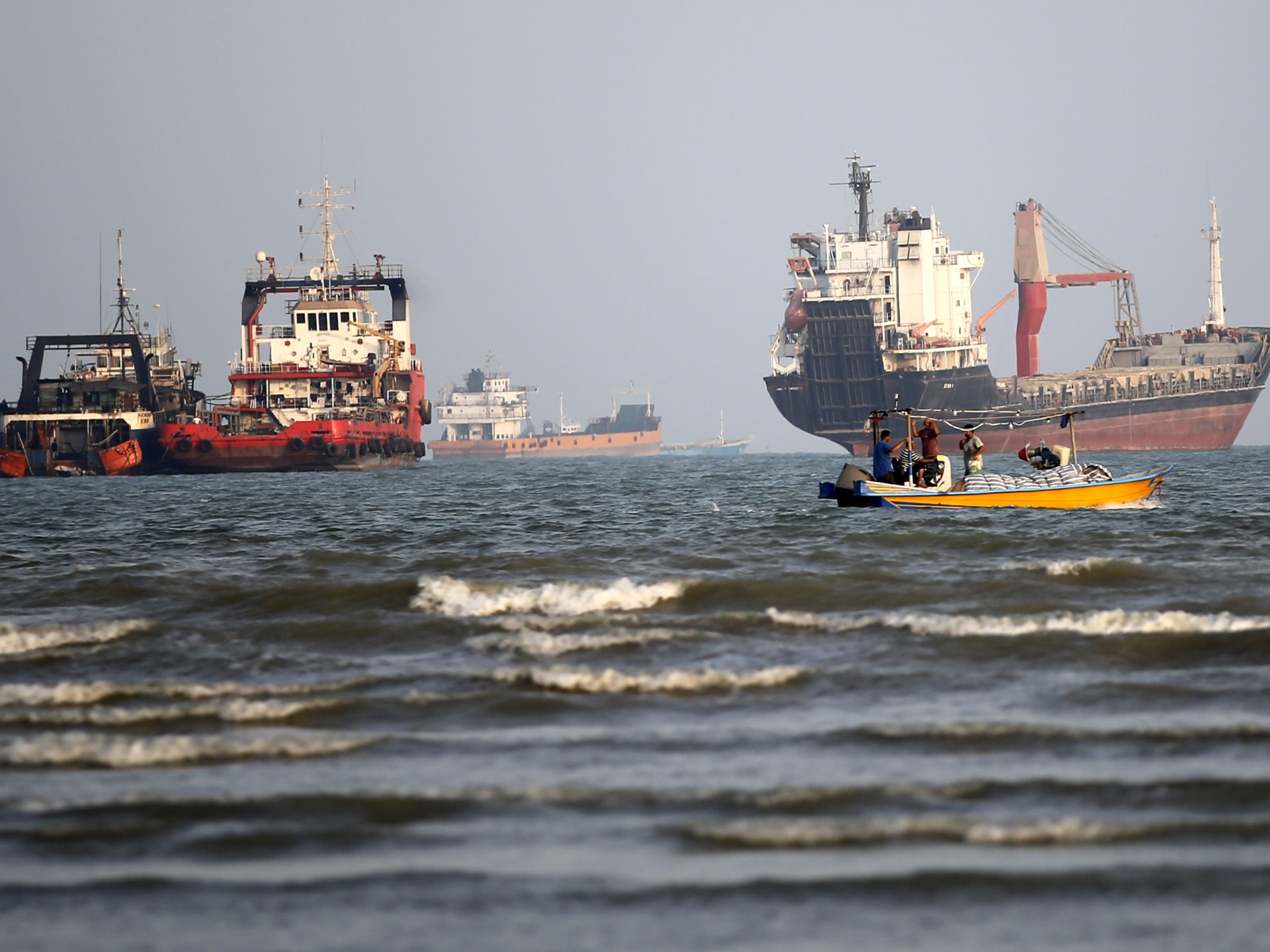
Geopolitical & Core Developments
The Strait of Hormuz, a critical maritime chokepoint through which approximately one-fifth of the world's petroleum passes, has emerged once again as the epicenter of high-stakes economic and strategic maneuvering. Recent tensions involving Iran and regional adversaries have tested the resilience of global supply chains, raising questions regarding Tehran's traditional leverage over maritime traffic. While physical blockades have been avoided, state-backed posturing, naval escorts, and targeted cyber operations have transformed the vital waterway into a zone of heightened surveillance. Analysts note that Iran's ability to unilaterally influence or choke off international commerce through the strait is increasingly constrained by the robust naval presence of Western and allied regional powers, signaling a shift in the balance of strategic deterrence.
Global Trade & Economic Ripples
Despite the physical recovery of crude oil transit volumes, the economic reverberations of the standoff continue to exact a heavy toll on global energy markets. Shipping companies navigating the Persian Gulf face exorbitant war-risk insurance premiums and specialized surcharges, significantly inflating operational expenses for crude tankers and liquefied natural gas carriers. These added costs are progressively being passed down to end-users, compounding inflationary pressures across major importing economies in Asia and Europe. Commodity trading desks have incorporated a permanent geopolitical risk premium into Brent crude benchmarks, reflecting the fragility of maritime logistics. Furthermore, alternative pipeline routes proposed by Gulf Cooperation Council states offer only partial mitigation, leaving international trade heavily dependent on the stability of the narrow waterway.
Related Intelligence: Lebanese Prison Hunger Strike Deepens National Crisis and Regional Instability
International Reactions & Diplomatic Stances
Multilateral institutions and major trading nations have voiced mounting concern over the security of Gulf shipping lanes. The International Maritime Organization has reiterated calls for unhindered freedom of navigation, urging restraint from all state actors operating in the region. Meanwhile, energy-importing economies, particularly in East Asia, have engaged in urgent diplomatic outreach to ensure secure energy corridors. Washington and its European allies have reinforced intelligence-sharing frameworks and naval patrols to deter hostile actions against commercial vessels. Market analysts warn that continued diplomatic stalemates will force multinational energy conglomerates to accelerate long-term diversification strategies, potentially marginalizing Persian Gulf exporters in favor of more stable hemispheric producers.
Strategic Outlook & Future Scenarios
Looking ahead, the trajectory of maritime security in the Strait of Hormuz will depend heavily on broader diplomatic engagements, including potential revivals of nuclear negotiations and regional de-escalation talks. Should diplomatic channels remain stalled, experts anticipate an escalation in asymmetrical maritime tactics, ranging from electronic jamming to localized harassment of commercial shipping. Conversely, any movement toward regional detente could precipitate a rapid compression of war-risk insurance rates and a stabilization of commodity pricing. As global energy transitions gradually alter long-term demand fundamentals, regional producers face a narrowing window to monetize their reserves before geopolitical friction permanently alters global trade routing.
Join Our Official WhatsApp Channel
Receive live commodity alerts, policy changes, and commercial intelligence directly on WhatsApp.