
Romania Faces Political Paralysis as Parliament Rejects Pro-EU Prime Minister
Romania's political crisis deepens as Parliament rejects pro-EU Prime Minister Siegfried Muresan, raising the risk of snap elections and threatening regional stability.
Geopolitical & Core Developments
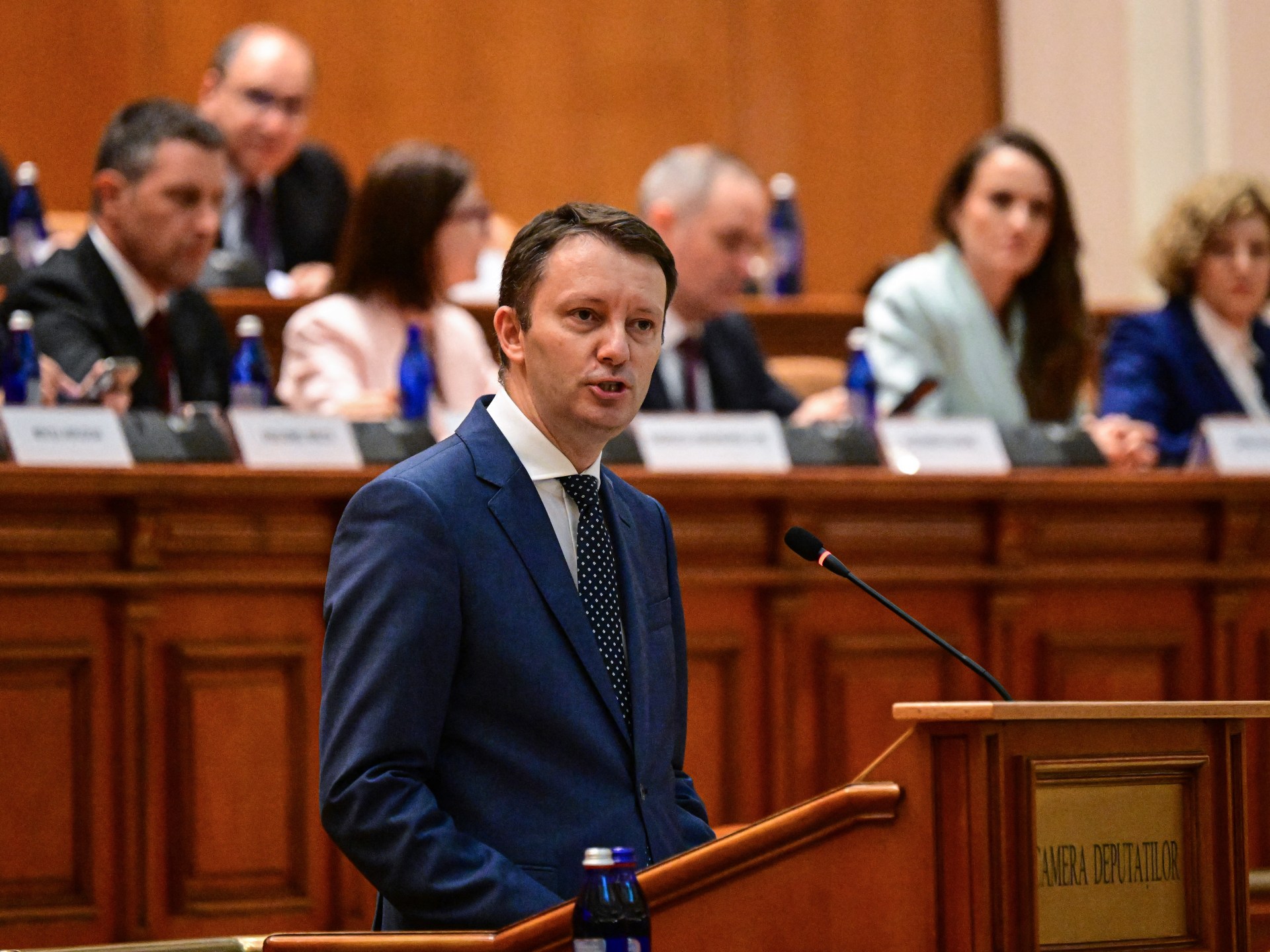
Romania has plunged deeper into institutional instability following the national Parliament's decisive rejection of pro-European Union Prime Minister nominee Siegfried Muresan during a high-stakes confidence vote. The legislative defeat marks a critical escalation in the nation's protracted political crisis, paralyzing the executive branch at a time when Eastern Europe faces acute security challenges. Muresan, a prominent advocate for deeper integration with Brussels and fiscal consolidation, failed to secure the necessary legislative coalition as populist and nationalist factions united to block his administration.
The unfolding deadlock stems from months of fractured coalition negotiations, ideological polarization, and mounting public discontent over inflation and economic austerity. State actors across the continent are closely monitoring Bucharest, given Romania's pivotal role on NATO's eastern flank. With the legislature deadlocked and constitutional provisions offering a narrow path forward, the prospect of snap elections has shifted from a distant contingency to an imminent reality. Such an election cycle could significantly empower eurosceptic and populist movements, altering the political landscape of a key Black Sea littoral state.
Global Trade & Economic Ripples
As a vital transit corridor for agricultural commodities and a strategic energy hub, Romania's political paralysis carries substantial implications for global trade and Black Sea supply chains. The absence of a stable, empowered government threatens to delay critical infrastructure upgrades, including port expansions at Constanta, which has served as a primary alternative lifeline for Ukrainian grain exports since the onset of the Russia-Ukraine conflict.
Global commodity markets have responded with cautious apprehension, pricing in potential logistical bottlenecks across the Lower Danube region. Energy markets are similarly attentive; Romania is a major producer of natural gas in the European Union through its Black Sea offshore reserves, and regulatory uncertainty could stall crucial investment decisions by multinational energy firms. Furthermore, currency traders have subjected the Romanian leu to heightened volatility, reflecting investor anxiety over fiscal policy drift, potential credit rating downgrades, and delayed structural reforms mandated under the European Union recovery fund framework.
Related Intelligence: Northern Ireland Standoff Revives Geopolitical and Economic Pressures
International Reactions & Diplomatic Stances
European Union officials in Brussels have expressed profound concern over the legislative rejection of Muresan, viewing the outcome as a setback for democratic resilience and institutional stability in Eastern Europe. European Commission representatives emphasized the necessity of predictable governance in Bucharest to ensure the effective absorption of EU funds and adherence to the bloc's rule-of-law standards.
Multilateral bodies and international financial institutions have urged Romanian political leaders to transcend partisan divisions to restore executive functionality. Market analysts from major global investment banks warn that prolonged paralysis could isolate Bucharest within European policy circles, complicating multilateral coordination on regional defense, energy security, and sanctions enforcement against Moscow. Diplomatic missions in Bucharest have stepped up consultations with civil society and moderate political factions to gauge the trajectory of the constitutional crisis.
Strategic Outlook & Future Scenarios
Looking ahead, the trajectory of Romania's crisis hinges on President Klaus Iohannis's next constitutional maneuver, which may involve a secondary attempt to form a technocratic government or the formal dissolution of Parliament to trigger early polls. The upcoming electoral cycle, whether occurring on schedule or via snap elections, will serve as a referendum on Romania's pro-European orientation amid a backdrop of economic hardship.
Geopolitical escalation points remain acute along the Black Sea basin, where any domestic distraction in a frontline NATO state is closely observed by foreign adversaries. Investors and international policymakers must prepare for prolonged volatility, as navigating the current institutional stalemate will require deft diplomacy, fiscal discipline, and a renewed commitment to democratic governance from Bucharest's political elite.
Join Our Official WhatsApp Channel
Receive live commodity alerts, policy changes, and commercial intelligence directly on WhatsApp.