
Lebanese Prison Hunger Strike Deepens National Crisis and Regional Instability
Dozens of Lebanese prisoners enter their 18th day of a mass hunger strike, threatening national stability as protests erupt over frozen amnesty laws.
Geopolitical & Core Developments
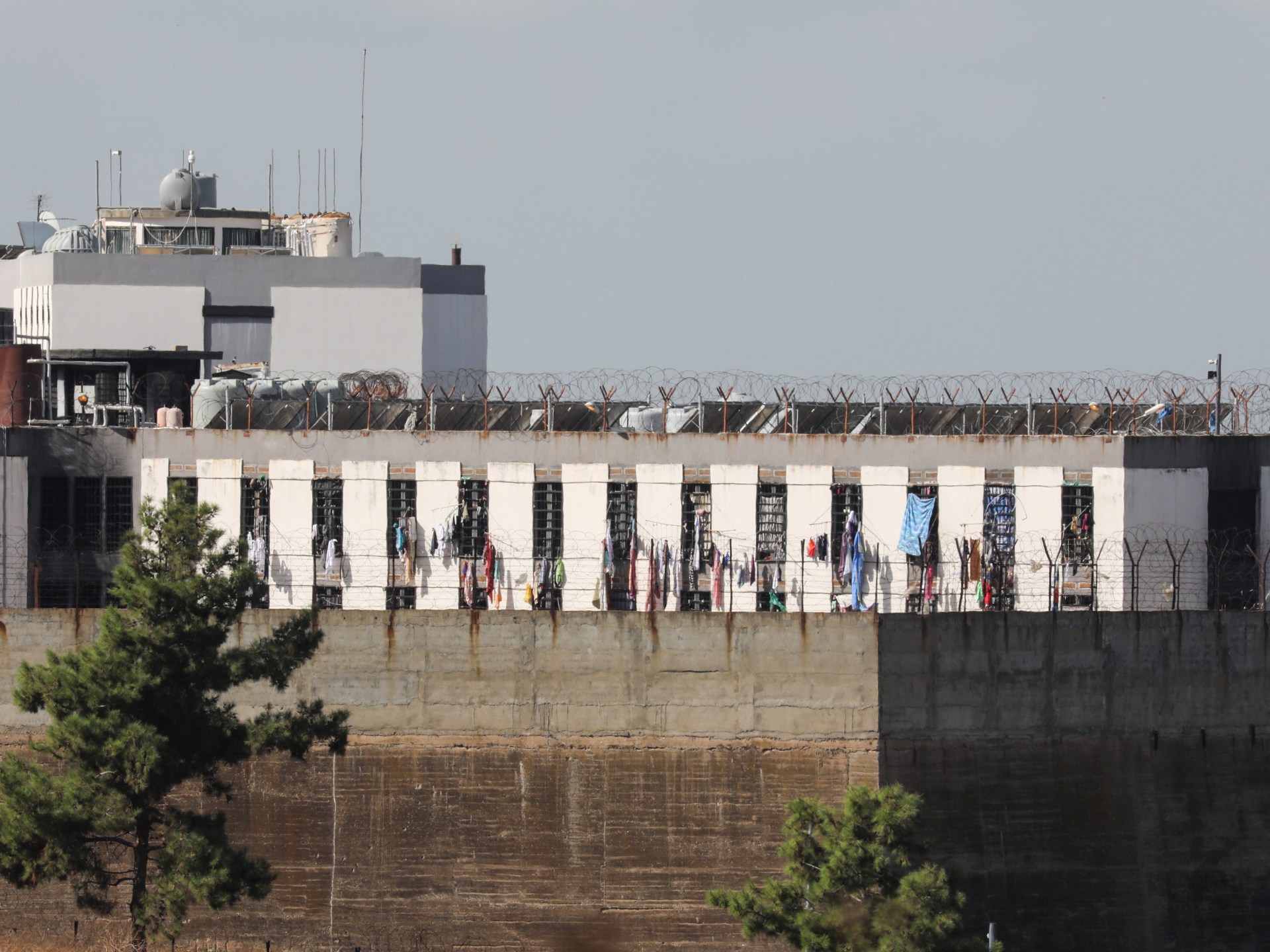
The humanitarian and security crisis within Lebanon's penal system reached a critical inflection point as dozens of inmates marked 18 days of a continuous hunger strike. The protest, organized in response to the indefinite legislative suspension of the long-debated general amnesty law, has exposed profound fractures within the Lebanese state apparatus. Correctional facilities across the country, already operating at severely compromised capacity amidst chronic underfunding and infrastructural neglect, are now focal points of acute civil unrest. The suspension of the amnesty bill—a measure long viewed by marginalized communities as a pathway to judicial relief and prison decongestion—has galvanized families, civil rights organizations, and inmates alike. State security forces have maintained high alert around major detention centers, such as Roumieh prison, as medical emergencies multiply inside overcrowded wards, raising fears of coordinated uprisings that could overwhelm the fragile internal security apparatus.
Global Trade & Economic Ripples
While the prison strike is fundamentally an internal socio-political and human rights crisis, its macroeconomic and commercial implications reverberate across the broader Levant trade corridor. Lebanon's ongoing institutional paralysis severely undermines foreign investor confidence, disrupting trade finance channels and increasing transactional risk for regional commodity importers. Supply chain efficiency through key eastern Mediterranean logistics hubs faces intermittent psychological friction as domestic instability dampens consumer demand and impedes commercial clearing processes at Beirut's port facilities. International rating agencies continue to monitor the compounding effects of domestic unrest on sovereign risk profiles, noting that prolonged civil strife deters foreign direct investment and exacerbates capital flight, thereby compounding the liquidity crisis facing commercial banking networks throughout the region.
Related Intelligence: Pakistani Human Rights Lawyer Honoured with Right Livelihood Award
International Reactions & Diplomatic Stances
The deteriorating situation has drawn urgent appeals from international human rights organizations and multilateral bodies, including specialized agencies of the United Nations. Global monitors have expressed deep concern over the rapidly worsening medical conditions of the striking inmates, urging the Lebanese government to uphold fundamental human rights standards and immediately address systemic overcrowding through accelerated judicial reviews. Western diplomatic missions in Beirut have privately and publicly emphasized the necessity of structural judicial reform and political consensus to prevent further domestic polarization. Market analysts note that while international partners remain reluctant to extend unconditional financial bailouts without comprehensive governance reforms, the deepening humanitarian emergency threatens to trigger emergency aid interventions that could temporarily divert diplomatic bandwidth from broader regional stabilization efforts.
Strategic Outlook & Future Scenarios
Looking ahead, the trajectory of the prison hunger strike will serve as a critical stress test for Lebanon's legislative leadership and executive administration. Failure to negotiate a viable compromise on the amnesty legislation or to implement immediate medical triage could catalyze widespread street protests, drawing in marginalized urban populations and exacerbating sectarian tensions. Upcoming parliamentary sessions face intense pressure to introduce interim judicial measures to de-escalate the crisis before fatalities occur within the prison system. In a worst-case scenario, sustained unrest inside correctional facilities could prompt heightened security crackdowns, severely degrading the investment climate and solidifying Lebanon's status as a high-risk commercial jurisdiction within the eastern Mediterranean trade network.
Join Our Official WhatsApp Channel
Receive live commodity alerts, policy changes, and commercial intelligence directly on WhatsApp.