
Netanyahu UN Address Sparks Walkout Amid Mounting Global Isolation
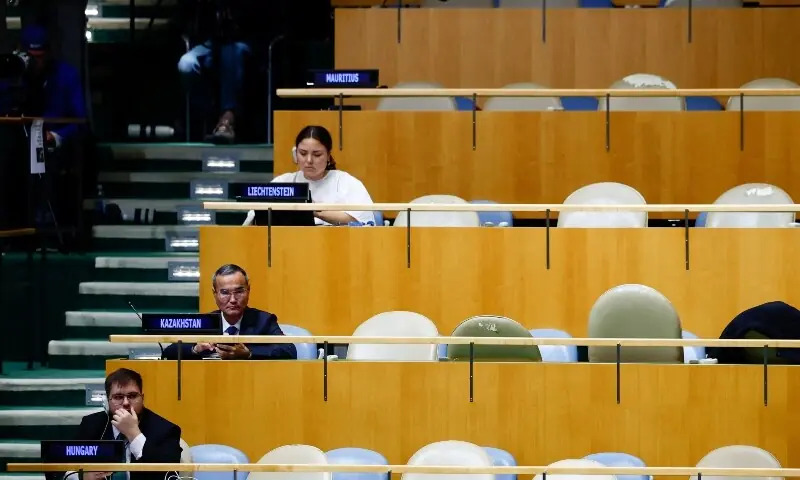
Dozens of delegates walked out of the UN General Assembly as Israeli Prime Minister Benjamin Netanyahu delivered a defiant speech, highlighting deep international isolation amid mounting geopolitical and economic pressures.
The Core Development
Dozens of diplomats staged a mass walkout from the United Nations General Assembly hall in New York on Thursday as Israeli Prime Minister Benjamin Netanyahu approached the podium. The dramatic protest unfolded simultaneously with large-scale demonstrations outside the UN headquarters, where hundreds of activists condemned Israel's military campaigns in Gaza. Inside the assembly, Netanyahu delivered a combative and unyielding defense of Tel Aviv's military actions, addressing an increasingly hostile international audience.
The diplomatic boycott underscores the severe compounding pressures confronting the Israeli leader. Internationally, Tel Aviv faces unprecedented scrutiny and legal challenges over humanitarian concerns in Gaza. Domestically, Netanyahu is locked in a fierce campaign ahead of a critical general election scheduled for October 27. Political analysts note that the dual crises—fending off foreign condemnation while shoring up domestic political survival—have narrowed his administration's diplomatic maneuvering room significantly.
Commercial & Economic Implications
For emerging economies like Pakistan, prolonged geopolitical instability in the Middle East carries profound economic reverberations. Wholesale distribution channels, retail trade, and domestic supply chains remain vulnerable to shocks originating in key international shipping corridors. Heightened tensions in the region directly influence global energy benchmarks, driving volatility in petroleum and liquefied natural gas prices.
For Kalyar Traders and the wider business community in Pakistan, fluctuating import costs directly feed into domestic inflation, squeezing consumer purchasing power and escalating production expenditures. Any escalation in trade disruptions or maritime security risks in the broader Middle Eastern theatre exerts immediate upward pressure on freight rates, complicating inventory management for industrial importers and retail distributors alike.
Related Intelligence: Netanyahu Defends Regional Actions at UN Amid Walkouts and Domestic Pressures
Stakeholder Perspectives & Market Reactions
International bodies, trade associations, and domestic market observers are closely monitoring the diplomatic fallout from the UN General Assembly session. Industry analysts suggest that sustained international isolation of key trade partners can distort multilateral commerce agreements and reshape bilateral trade flows across South Asia and the Middle East.
Business councils in Pakistan have expressed concern over the persistent unpredictability of global commodity markets, urging policymakers to diversify supply sources and fortify domestic buffers against imported inflation. Legal experts and trade commentators point out that deepening geopolitical polarization at forums like the United Nations signals a volatile era for global trade governance, requiring heightened vigilance from commercial enterprises.
Forward Outlook & Key Watchpoints
As the October 27 Israeli election approaches, market participants and diplomatic missions will monitor whether domestic political shifts alter Tel Aviv's foreign policy trajectory. Key indicators to watch include international maritime transit security updates, quarterly energy price forecasts by global financial institutions, and potential policy adjustments by Pakistani trade authorities regarding import financing.
Long-term stability hinges on diplomatic resolutions to the ongoing conflicts in the Middle East. Until concrete de-escalation measures take hold, businesses across the supply chain must maintain rigorous risk management strategies to navigate potential currency volatility and commodity price swings.
Join Our Official WhatsApp Channel
Receive live commodity alerts, policy changes, and commercial intelligence directly on WhatsApp.