
Pakistan-Afghanistan Border Clashes Threaten Regional Trade Corridors
Renewed border fighting between Pakistani forces and Afghan Taliban fighters threatens critical regional transit corridors, raising commercial and geopolitical stakes.
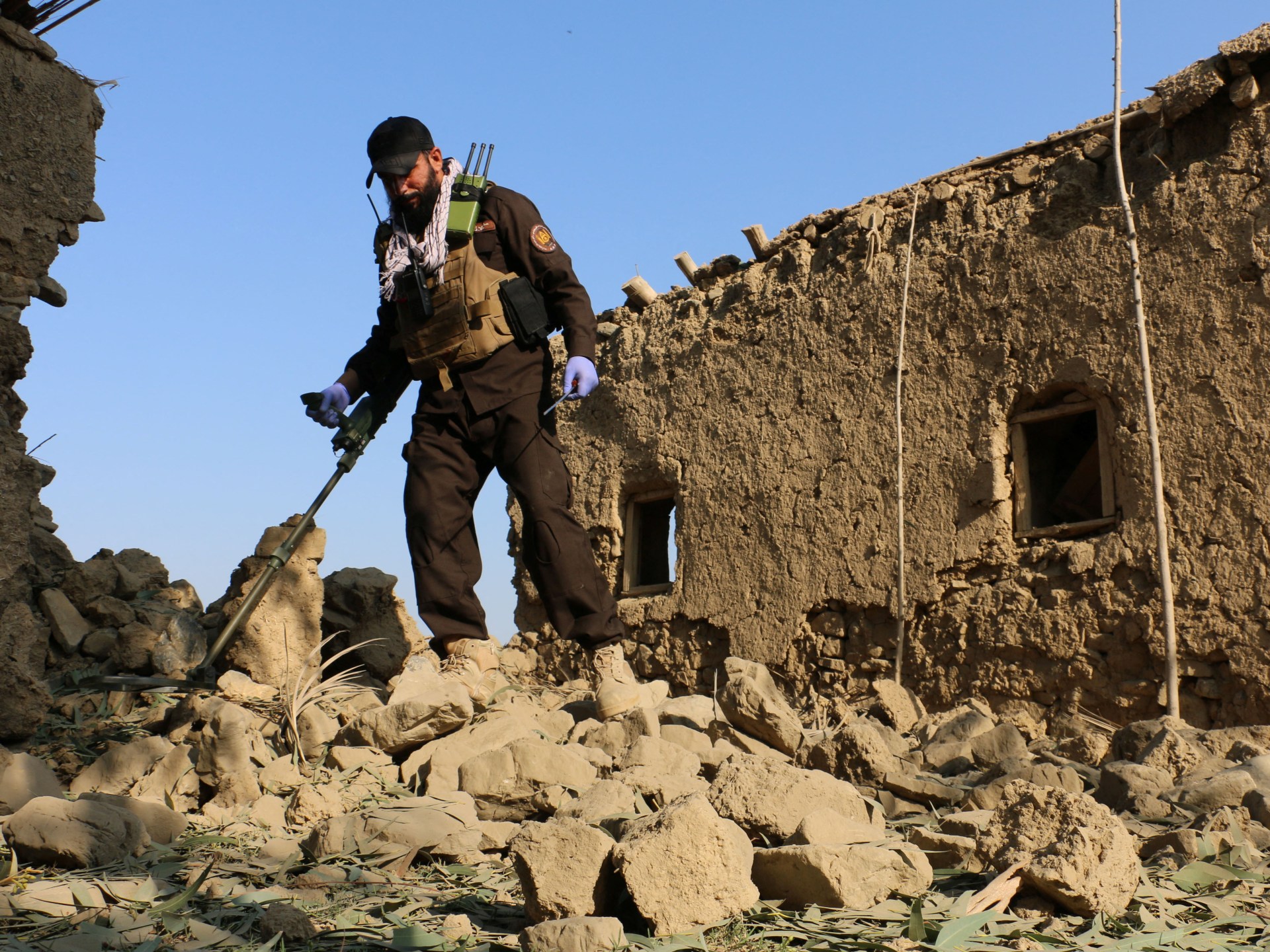
Geopolitical & Core Developments
Tensions along the disputed Pakistan-Afghanistan border escalated significantly following a series of deadly armed clashes between Pakistani security forces and Afghan Taliban fighters. The flare-up along the porous frontier, historically known as the Durand Line, marks a dangerous deterioration in bilateral relations that have grown increasingly strained over security enforcement and militant safe havens. According to official reports from Islamabad, security personnel engaged heavily armed insurgents attempting cross-border incursions, resulting in multiple casualties on both sides.
For months, diplomatic channels have remained deadlocked as Islamabad presses the de facto administration in Kabul to curb the activities of anti-Pakistan militant factions operating from Afghan soil. The latest escalation moves the two neighbors away from fragile diplomatic containment and toward open confrontation. State actors in the region are closely monitoring the security vacuum, which risks drawing in broader geopolitical rivalries as border posts experience intermittent artillery exchanges and sweeping troop mobilizations.
Global Trade & Economic Ripples
The deterioration of security along the Pakistan-Afghanistan frontier carries immediate and profound consequences for land-based commerce across South and Central Asia. The border region serves as a vital artery for regional trade, facilitating the transit of goods from Karachi ports toward landlocked Afghanistan and onward into Central Asian markets. Protracted fighting forces the closure of major commercial crossing points, stranding freight trucks loaded with perishable goods, raw materials, and energy supplies.
These logistical bottlenecks generate cascading effects on regional commodity pricing and supply chain predictability. Importers and exporters face mounting demurrage costs, forced rerouting, and elevated cargo insurance premiums. Furthermore, the instability threatens bilateral trade agreements and undermines multilateral efforts to integrate Central Asian energy networks with South Asian markets, driving up operational risks for international firms relying on overland transit corridors in the region.
Related Intelligence: Trilateral Defence Pact Takes Shape as Yemen Conflict Threatens Trade Routes
International Reactions & Diplomatic Stances
Regional capitals and international bodies have expressed profound alarm over the escalating border violence, calling for immediate de-escalation and the reopening of critical trade routes. The United Nations Assistance Mission in Afghanistan (UNAMA) has issued urgent appeals for restraint, emphasizing the severe humanitarian toll that border closures impose on vulnerable civilian populations dependent on cross-border commerce and aid delivery.
Neighboring economic powers, including China and Iran, are closely evaluating the security fallout, cognizant of how instability in the borderlands could spill over into wider regional security frameworks like the Belt and Road Initiative. Market analysts warn that unless formal bilateral dialogue resumes under neutral mediation, the persistent diplomatic frostiness will deter foreign direct investment and stifle economic recovery efforts throughout the broader trans-regional trade zone.
Strategic Outlook & Future Scenarios
Looking ahead, the trajectory of Pakistan-Afghanistan relations remains precariously tied to the security calculus of the Afghan Taliban leadership and Islamabad's counter-terrorism imperatives. Should border skirmishes persist, both nations risk entering a prolonged cycle of economic strangulation and low-intensity conflict, further isolating Kabul from the international financial system.
Upcoming regional security summits will likely feature emergency consultations aimed at establishing joint border monitoring mechanisms. However, without verifiable commitments from Kabul to dismantle cross-border militant networks, Islamabad is expected to maintain a hardened military posture. This persistent security dilemma guarantees that trade corridors will remain vulnerable to sudden closures, forcing global commodities traders to price in enduring geopolitical volatility across the South Asian frontier.
Join Our Official WhatsApp Channel
Receive live commodity alerts, policy changes, and commercial intelligence directly on WhatsApp.