
PPP Distances From Khyber Pakhtunkhwa Governor Rule Amid Political Instability
The Pakistan Peoples Party has publicly distanced itself from federal emergency measures in Khyber Pakhtunkhwa, highlighting intra-coalition fractures as markets weigh supply chain and constitutional risks.
The Core Development
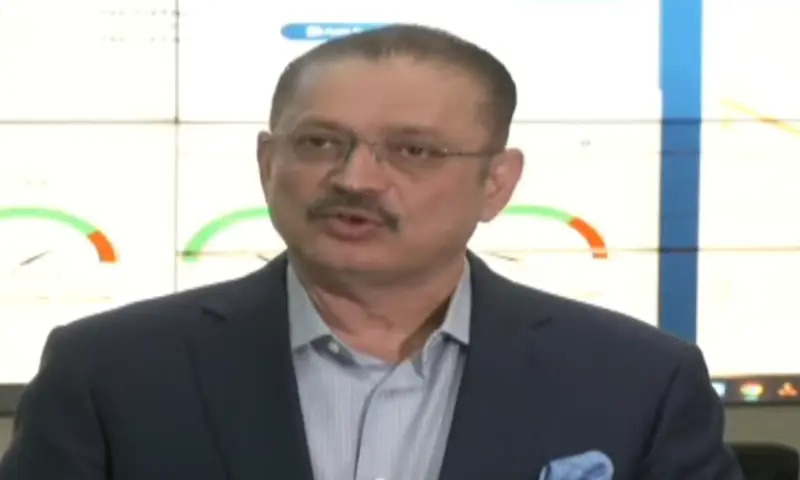
Senior Sindh Minister Sharjeel Inam Memon publicly asserted that the Pakistan Peoples Party (PPP) served as the last political force in favour of enforcing governor's rule and emergency provisions in Khyber Pakhtunkhwa. Addressing media representatives in Karachi, the provincial minister underscored that the party leadership repeatedly advocated for institutional dialogue rather than constitutional intervention. The clarification comes in the wake of the federal government's contentious move to invoke emergency measures in Khyber Pakhtunkhwa, suspending the provincial assembly setup led by Pakistan Tehreek-e-Insaf (PTI).
The federal coalition, led by the Pakistan Muslim League-Nawaz (PML-N), executed the administrative takeover following escalated political friction and street agitations demanding the release of PTI founder Imran Khan. Federal authorities justified the measure by citing systemic disengagement from counter-terrorism operations and administrative lapses along provincial security perimeters. However, Memon maintained that while national security remains paramount, unilateral federal intervention risks exacerbating regional polarisation and undermining long-term democratic consolidation.
Commercial & Economic Implications
For Pakistan's wholesale commodity distribution networks and retail trading enterprises, heightened friction in Khyber Pakhtunkhwa introduces severe supply chain friction. The northern logistics corridor, which handles billions of rupees in daily movement of agricultural staples, perishable produce, industrial inputs, and Afghan transit commerce, is acutely vulnerable to administrative instability and retaliatory protests.
Transport operators along key arterial routes, including the Peshawar-Islamabad Motorway and the Grand Trunk Road, have already registered operational disruptions, prompting logistics firms to raise transit insurance margins by 10 to 15 percent. Supply bottlenecks into urban retail clusters threaten to accelerate local food price volatility. With wholesale grain, pulses, and FMCG consignments encountering sporadic security checkpoints and delivery schedules disrupted, working capital turnover cycles across regional trade hubs face acute compression.
Related Intelligence: US Federal Authorities Mobilize Following Shooting at Columbus Ohio Mosque
Stakeholder Perspectives & Market Reactions
The business community and regional trade associations have expressed deep unease regarding the institutional impasse. The Sarhad Chamber of Commerce and Industry alongside wholesale merchant bodies warned that sustained administrative turbulence would incapacitate local manufacturing clusters and commercial trade corridors. Market participants point out that foreign and domestic investors remain highly sensitive to legal predictability, with emergency declarations heightening country-risk perceptions.
Legal scholars and constitutional analysts have highlighted the tenuous nature of coalition governance under current conditions. While the PPP seeks to maintain its political base in Sindh and retain an image of constitutional restraint, its formal alliance with the PML-N places it under significant scrutiny. Industry groups fear that prolonged friction could spill into broader parliamentary paralysis, stalling crucial fiscal reforms and multilateral loan compliance benchmarks.
Forward Outlook & Key Watchpoints
The immediate trajectory of this crisis depends on judicial evaluations, parliamentary reviews, and potential mass mobilisations. The superior judiciary is widely expected to review constitutional petitions challenging the legality of governor's rule, a process that could either validate the federal directive or mandate immediate administrative restoration. The federal cabinet faces a strict 60-day constitutional window to secure bicameral parliamentary validation, making the PPP's formal voting posture in the Senate critical.
Wholesale distributors, commercial banks, and freight operators are closely monitoring border clearance timelines at Torkham and regional cargo flows across Punjab and KP. Unless institutional mechanisms yield a negotiated de-escalation, inter-provincial commerce will continue to endure elevated risk premiums, dampening domestic market confidence.
Join Our Official WhatsApp Channel
Receive live commodity alerts, policy changes, and commercial intelligence directly on WhatsApp.