
Punjab Bans Covert Surveillance Devices to Safeguard Public Privacy
The Punjab government has imposed a blanket ban on the sale and possession of everyday objects equipped with hidden recording devices, citing severe personal privacy threats.
The Core Development
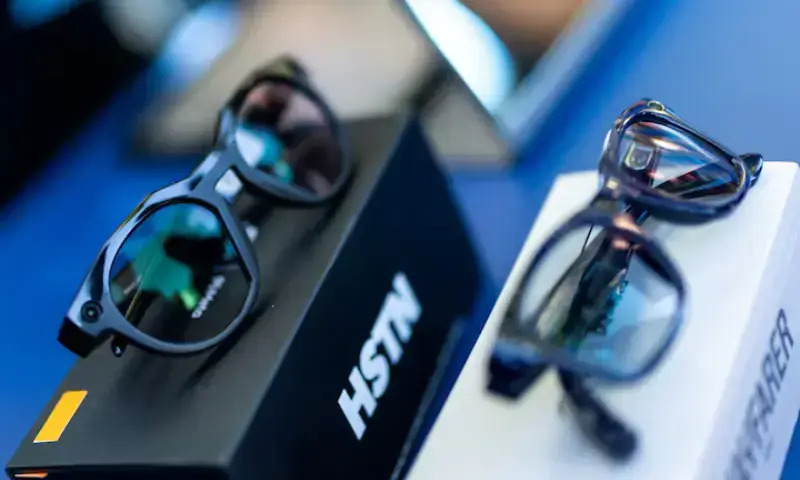
The Punjab Home Department has formally moved to prohibit the manufacturing, commercial sale, purchase, and private possession of everyday consumer items integrated with concealed surveillance technology. The regulatory directive specifically outlaws items marketed as covert recording tools, including pens, optical eyeglasses, wristwatches, key fobs, and household fixtures fitted with miniature cameras or audio microphones.
According to an official communique issued by the provincial administration in Lahore, the measure was initiated under regulatory powers aimed at curtailing unauthorized surveillance, non-consensual filming, and privacy violations. Provincial authorities highlighted escalating risks to civil liberties, noting that accessible miniaturized surveillance hardware has increasingly been deployed to target vulnerable demographics, specifically women and children, in both public environments and private spaces. The Home Department confirmed that law enforcement agencies have been instructed to conduct monitoring drives, seize illicit consignments, and initiate formal legal proceedings against offenders under relevant penal and digital security statutes.
Commercial & Economic Implications
The regulatory crackdown directly disrupts specialized segments of Pakistan's consumer electronics and wholesale import trade. Major commercial hubs, such as Lahore's Hafeez Centre and Hall Road, alongside wholesale distribution networks in Rawalpindi and Faisalabad, maintain active inventories of low-cost micro-electronics predominantly imported from East Asian manufacturing corridors. The sudden prohibition is anticipated to force merchants to write down existing stock, as unregistered retail channels face abrupt supply halts.
While high-grade security equipment used by enterprise security firms and institutional entities remains governed by existing corporate licensing frameworks, the unregulated grey market for low-cost, plug-and-play covert gadgets faces effective dissolution. Market analysts project an immediate contraction in revenue for fringe electronics importers who capitalize on niche gadgetry. Concurrently, legitimate vendors of mainstream enterprise surveillance systems, closed-circuit television infrastructure, and visible security cameras are expected to absorb demand as commercial entities transition toward verified, compliant monitoring setups.
Related Intelligence: Gaza Famine Threat Escalates as Aid Reductions Align With Border Restrictions
Stakeholder Perspectives & Market Reactions
Trade bodies representing electronics retailers have voiced cautious concerns regarding the operational enforcement of the directive. Merchant representatives acknowledge the necessity of safeguarding citizen privacy but urge the provincial administration to establish clear boundaries distinguishing dual-use commercial tech, such as smart glasses and standard digital smartwatches, from deliberate covert espionage devices. The lack of an exhaustive technical guideline could expose conventional consumer electronics retailers to arbitrary administrative harassment during market inspections.
Conversely, legal experts, human rights advocates, and consumer safety groups have broadly welcomed the intervention. Legal analysts point to systemic gaps in data protection across the country, where non-consensual digital recordings are routinely weaponized for extortion, social defamation, and corporate espionage. Official representatives maintained that the public safety imperative overrides retail convenience, emphasizing that consumer privacy protections must align with international standards against non-consensual biometric and video data harvesting.
Forward Outlook & Key Watchpoints
The immediate phase of the policy rollout centers on inter-agency coordination between district administrations, local police forces, and customs authorities. Market watchdogs will observe whether the Federal Board of Revenue and border control agencies align import classifications to intercept these devices at maritime and air cargo ports before they enter domestic supply chains.
Key watchpoints over the coming quarters include the formal gazette notification detailing the exact technical specifications of prohibited hardware, potential grace periods for domestic traders to liquidate or declare non-compliant stock, and the trajectory of enforcement across e-commerce platforms. Digital marketplaces, which represent a primary retail channel for covert surveillance gear, are expected to receive binding compliance notices ordering the delisting of such merchandise across provincial jurisdictions.
Join Our Official WhatsApp Channel
Receive live commodity alerts, policy changes, and commercial intelligence directly on WhatsApp.