
Navi Pillay Condemns Unprecedented US Sanctions Against International Criminal Court
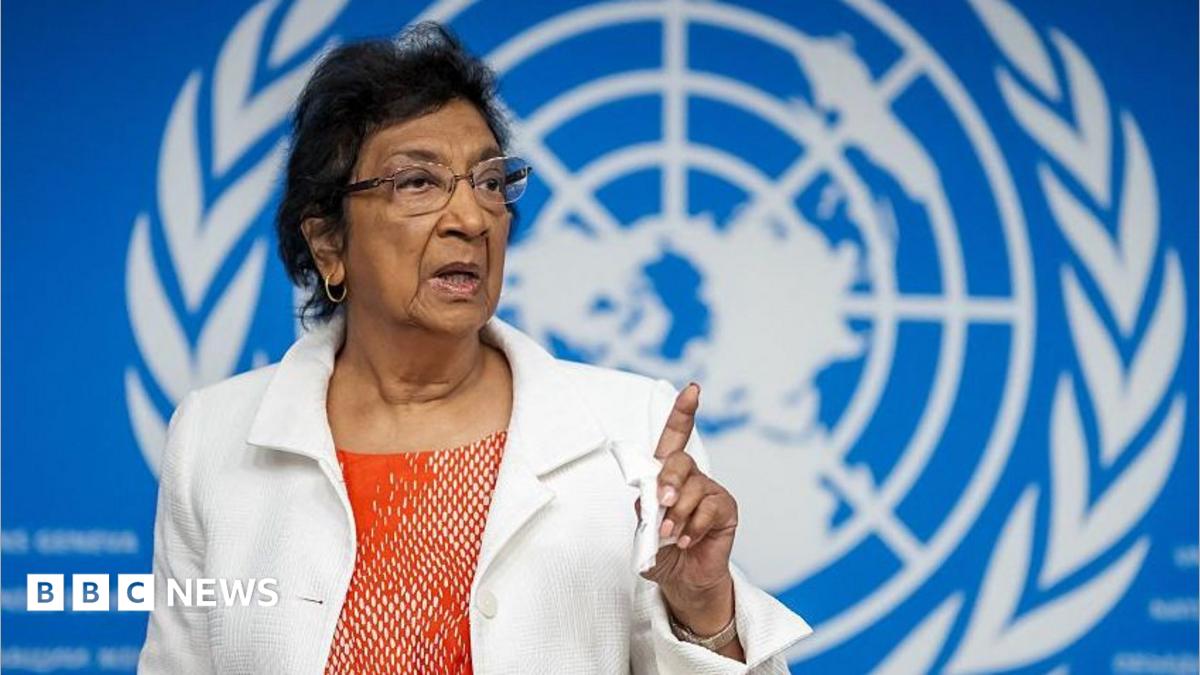
Nobel peace laureate Navi Pillay has condemned sweeping US sanctions against the International Criminal Court, calling the financial and travel penalties an unprecedented assault on international justice and global regulatory stability.
Geopolitical & Core Developments
The imposition of sweeping punitive measures by the United States administration against the International Criminal Court (ICC) marks a profound escalation in diplomatic friction between Washington and multilateral judicial institutions. Navi Pillay, a distinguished Nobel peace laureate and former UN High Commissioner for Human Rights, has publicly denounced the sanctions as entirely unacceptable and historically unprecedented. The measures, which encompass asset freezes and travel bans directed at tribunal officials, stem from the court's ongoing investigations into alleged war crimes involving allied nations and non-state actors.
This confrontation exposes deep ideological rifts concerning the limits of national sovereignty versus universal jurisdiction. While Washington maintains that the ICC lacks jurisdiction over non-member states such as the United States and its key allies, human rights advocates and international jurists argue that shielding state actors from accountability undermines the foundational tenets of the post-WWII international order. The strategic stakes extend far beyond the immediate judicial proceedings, threatening to paralyze the tribunal's operational capacity and straining diplomatic alliances across Europe and the Global South.
Global Trade & Economic Ripples
While primarily a diplomatic and legal dispute, the escalation against the ICC carries tangible implications for global trade compliance, institutional investment, and international risk assessment. Multinational corporations, financial institutions, and global commodity traders operate within an increasingly complex web of extraterritorial sanctions and international law. When major economic superpowers penalize core multilateral institutions, compliance departments face acute operational uncertainties regarding jurisdiction, asset protection, and transactional security.
Furthermore, sovereign risk premiums for emerging economies and nations caught in geopolitical crossfire are adjusting upward. The erosion of trust in multilateral frameworks directly impacts foreign direct investment (FDI) and long-term project financing in developing regions reliant on international legal protections. As regulatory divergence widens between the United States and European Union jurisdictions—many of which staunchly support the ICC—multinational supply chain operators must navigate conflicting legal mandates, potentially increasing operational friction and transactional costs across global shipping and energy markets.
Related Intelligence: Renewed Attacks on Riyadh Airport Threaten Global Energy Markets
International Reactions & Diplomatic Stances
The international community has responded with deep concern to the deployment of economic sanctions as a tool of statecraft against a judicial body. European Union member states, long-standing champions of the ICC, have reiterated their unwavering support for the court's independence and institutional integrity. Multilateral bodies, including various United Nations agencies, have warned that targeting judges and prosecutors sets a dangerous precedent that could incapacitate international accountability mechanisms for atrocities worldwide.
Conversely, supporters of the US stance within domestic political circles argue that unilateral financial measures are necessary to safeguard national security and protect military personnel from politically motivated prosecutions. However, market analysts and geopolitical risk strategists note that this polarizing approach risks isolating Washington diplomatically, driving non-aligned nations closer together and accelerating discussions around alternative financial settlement systems insulated from Western sanctions architecture.
Strategic Outlook & Future Scenarios
Looking ahead, the trajectory of relations between Washington and the ICC points toward sustained institutional gridlock and heightened geopolitical friction. Upcoming diplomatic summits and ministerial meetings are expected to feature intense debates over the enforcement of international humanitarian law and the reform of global governance structures. If the sanctions remain in place or expand to target third-party organizations cooperating with the tribunal, a broader institutional crisis could ensue.
For global markets and international commerce, the deepening divide underscores the necessity of robust geopolitical risk management. As international law becomes increasingly weaponized through financial instruments, corporations and financial institutions must dynamically adapt to a fragmented regulatory landscape where multilateral consensus is continually superseded by unilateral state power.
Join Our Official WhatsApp Channel
Receive live commodity alerts, policy changes, and commercial intelligence directly on WhatsApp.