
US Sanctions Against International Criminal Court Threaten Global Legal Order
Washington's unprecedented sanctions targeting the International Criminal Court spark a severe diplomatic crisis, complicating global legal frameworks and international trade compliance.
Geopolitical & Core Developments
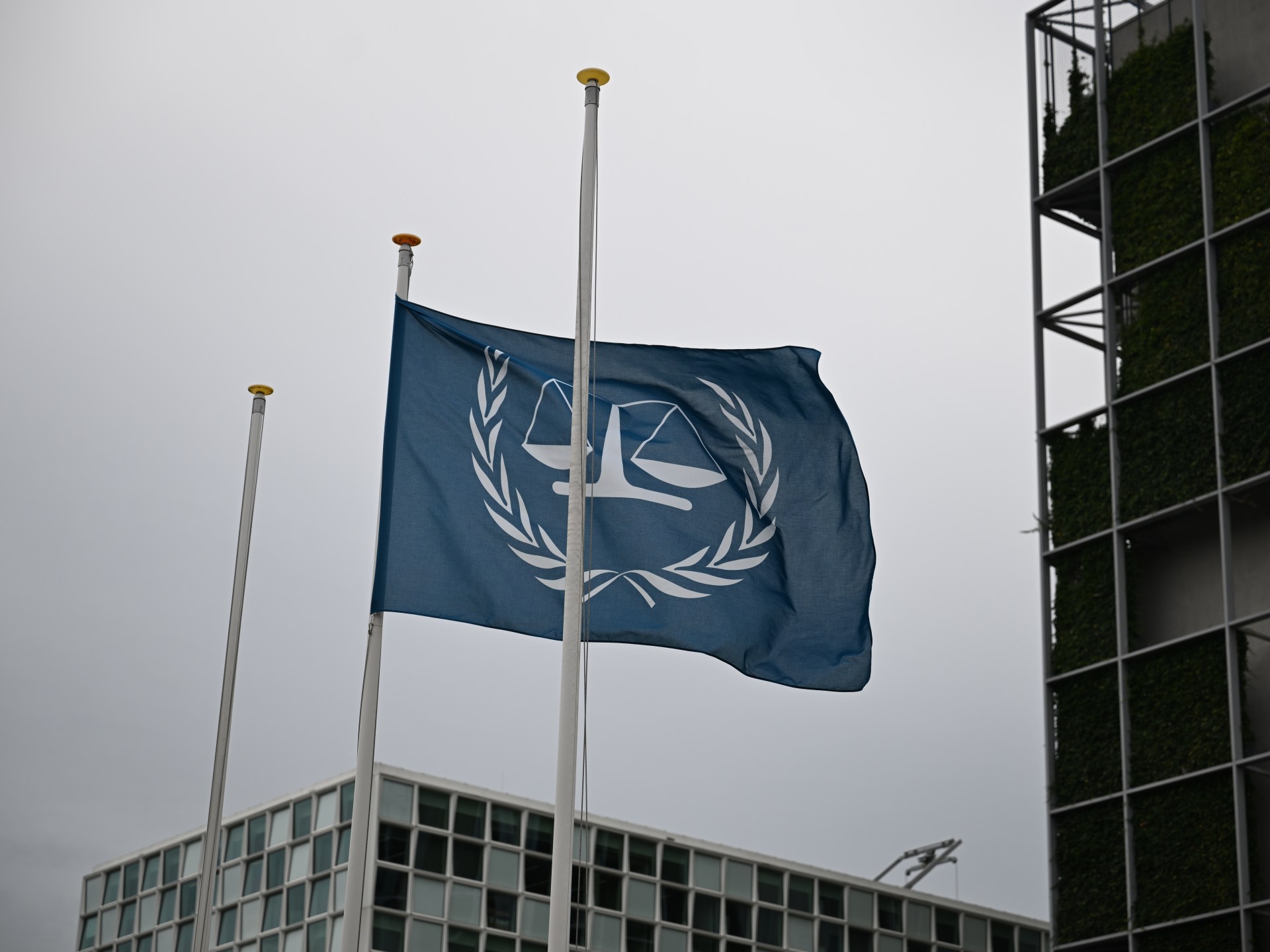
The decision by the United States to impose economic sanctions and travel restrictions on officials of the International Criminal Court (ICC) marks a profound escalation in Washington's ongoing confrontation with international judicial bodies. The sanctions, designed to penalize the court for pursuing investigations into American military and allied personnel, represent a direct challenge to the architecture of multilateral accountability established over the past three decades. The ICC, operating under the Rome Statute, has long maintained jurisdiction over war crimes, crimes against humanity, and genocide, irrespective of whether a state is a formal signatory. By deploying unilateral economic measures against judicial officers, Washington has shifted from diplomatic opposition to active punitive obstruction, creating an unprecedented constitutional crisis within the global governance system. State actors in both Washington and The Hague are now locked in a high-stakes diplomatic standoff, with European capitals expressing deep alarm over the erosion of international norms and the undermining of institutions designed to prevent mass atrocities.
[Global Trade](/news/gaza-casualties-cast-shadow-over-global-trade-security) & Economic Ripples
While ostensibly focused on legal and sovereignty disputes, the sanctions carry immediate and far-reaching implications for global trade, corporate governance, and cross-border financial transactions. Multinational corporations, particularly those operating in defense, energy, and infrastructure sectors across conflict-affected regions, face heightened compliance burdens and legal ambiguity. Financial institutions are forced to navigate conflicting regulatory frameworks, as interacting with sanctioned court entities or individuals risks severe secondary sanctions from the United States Department of the Treasury. This regulatory friction introduces friction into global supply chains operating in developing economies where ICC oversight intersects with major resource extraction projects. Commodity traders and energy conglomerates must now incorporate intense legal risk assessments into their operational models, anticipating potential asset freezes, banking restrictions, and heightened insurance premiums for assets exposed to jurisdictions embroiled in international legal disputes.
Related Intelligence: Verstappen Triumphs in Chaotic Singapore Grand Prix Sprint Amid Supply Chain Disruptions
International Reactions & Diplomatic Stances
The international community has responded with a mixture of sharp condemnation and guarded apprehension. Leadership at the United Nations has reiterated the indispensable role of independent judicial institutions in maintaining global peace and security, urging Washington to reconsider measures that weaken multilateral cooperation. European Union member states, many of which form the financial and political backbone of the ICC, issued coordinated statements defending the court's independence and reaffirming their commitment to the Rome Statute. Conversely, adversarial powers have seized upon the diplomatic rift to highlight perceived double standards in Western foreign policy, utilizing the sanctions to deflect international scrutiny from their own domestic governance records. Market analysts warn that this widening chasm between the United States and its traditional democratic allies weakens collective leverage in addressing global crises, fragmenting the united front required to enforce international law and stabilize volatile economic corridors.
Strategic Outlook & Future Scenarios
As the geopolitical landscape hardens, the trajectory of relations between Washington and the ICC points toward sustained institutional friction rather than swift reconciliation. Upcoming diplomatic summits and ministerial meetings are expected to become flashpoints, as European and developing nations push to shield the court from external financial coercion. Should the United States persist with its punitive measures, legal scholars warn of a chilling effect on global accountability mechanisms, potentially emboldening authoritarian regimes to disregard international humanitarian law with impunity. For global markets and multinational enterprises, the unfolding crisis signals an era of persistent regulatory unpredictability, where geopolitical maneuvering routinely supersedes established legal frameworks, necessitating agile risk management and diversified international strategies.
Join Our Official WhatsApp Channel
Receive live commodity alerts, policy changes, and commercial intelligence directly on WhatsApp.