
Renewed Attacks on Riyadh Airport Threaten Global Energy Markets
Fresh suspected strikes on Saudi Arabia's capital airport spark emergency evacuations, compounding supply fears across international energy and commodity markets.
Geopolitical & Core Developments
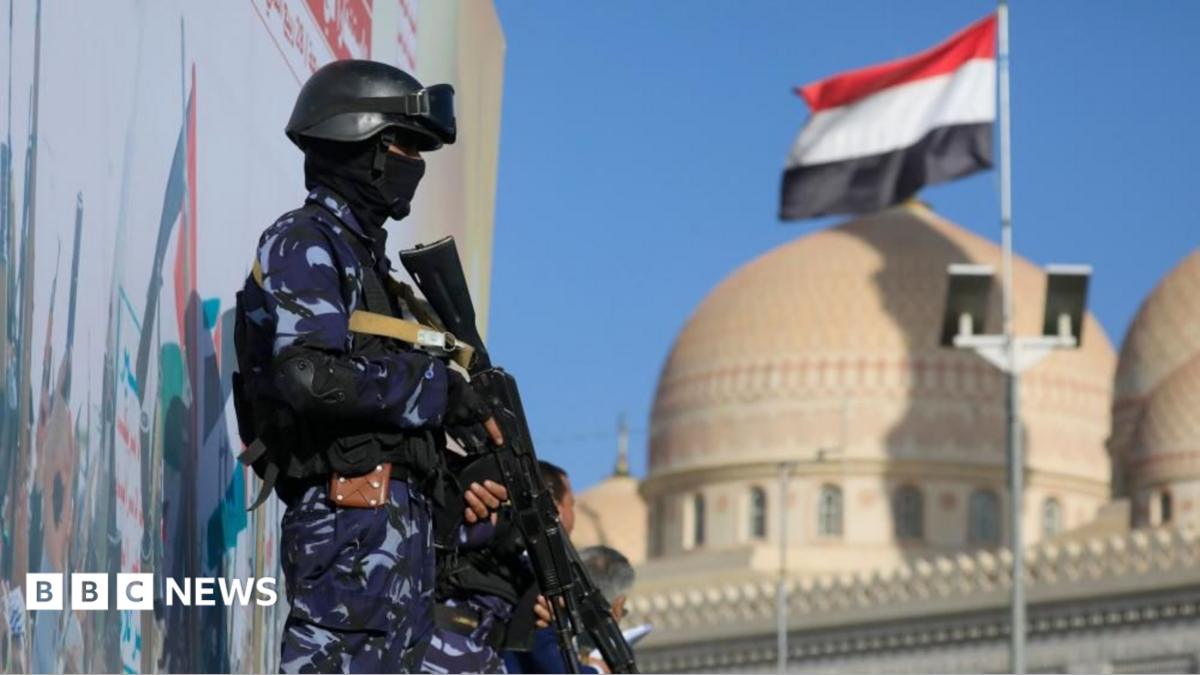
Security protocols were swiftly enacted across the Saudi capital as fresh reports emerged of a suspected aerial attack targeting King Khalid International Airport, triggering emergency evacuations and flight diversions. This security incident follows hard on the heels of claims made by Yemen's Houthi movement regarding a series of coordinated operations directed at critical infrastructure within Riyadh. The escalation marks a significant deterioration in the regional security architecture, shattering a fragile period of de-escalation that had previously fostered cautious optimism among diplomatic circles. State security forces and international aviation authorities immediately secured the perimeter, while defense batteries engaged incoming threats above the metropolitan area. The persistence of these cross-border operations underscores the limitations of current interception capabilities and highlights the profound vulnerability of civilian and commercial transport nodes in the Arabian Peninsula. State actors across the region have been forced to reassess defensive postures as the frequency and sophistication of these asymmetric assaults continue to test regional air defense networks.
[Global Trade](/news/gaza-casualties-cast-shadow-over-global-trade-security) & Economic Ripples
International commodity markets reacted instantly to the news, with Brent crude futures surging in early trading as algorithmic traders and institutional desks priced in a heightened risk premium for Middle Eastern energy supplies. Although physical oil production facilities in the Eastern Province remain untouched, the targeting of the capital's primary aviation hub injects severe systemic risk into regional logistics, corporate travel, and air cargo networks. Supply chain managers are closely monitoring potential airspace restrictions that could disrupt critical trade corridors linking Europe, Asia, and the Gulf Cooperation Council economies. Furthermore, shipping insurance underwriters have begun reviewing risk assessments for regional maritime and aviation hubs, which could translate into escalated freight rates and extended transit times for global manufacturers. Currency markets also reflected transient jitters, with regional sovereign bonds experiencing minor downward pressure as investors hedge against prolonged geopolitical friction and potential disruptions to foreign direct investment inflows.
Related Intelligence: Verstappen Triumphs in Chaotic Singapore Grand Prix Sprint Amid Supply Chain Disruptions
International Reactions & Diplomatic Stances
Global capitals and multilateral organizations moved swiftly to condemn the renewed violence, issuing coordinated statements emphasizing the imperative of protecting civilian infrastructure. The United Nations Secretary-General expressed profound alarm over the deteriorating security landscape, calling on all belligerents to immediately cease hostilities and re-engage in UN-sponsored political dialogues. Western allies reiterated their unwavering commitment to Saudi Arabia's territorial integrity and right to self-defense, while simultaneously urging restraint to prevent a catastrophic regional conflagration. Meanwhile, diplomatic envoys stationed in the region are working behind the scenes to revive stalled backchannel negotiations between Riyadh and Sanaa representatives. Market analysts and geopolitical risk consultancies warn that without a firm diplomatic breakthrough, ongoing military tit-for-tat risks entrenching a permanent state of instability that will continually threaten international trade and energy security.
Strategic Outlook & Future Scenarios
As intelligence agencies evaluate the remnants of the intercepted ordnance to determine its exact provenance and technical specifications, the strategic outlook for the region remains fraught with peril. Upcoming regional summits and ministerial meetings are expected to pivot sharply toward crisis management and enhanced security cooperation frameworks. Observers suggest that Riyadh may accelerate its acquisition of advanced multi-layered air defense systems and seek firmer security guarantees from international partners to deter further violations of its airspace. In a worst-case scenario, sustained kinetic attacks on high-value urban and economic targets could derail ongoing economic diversification mega-projects under Vision 2030, dampening investor confidence and forcing a recalibration of commercial strategies across the broader Middle East and North Africa region.
Join Our Official WhatsApp Channel
Receive live commodity alerts, policy changes, and commercial intelligence directly on WhatsApp.