
Poland Deploys Police After Third School Knife Attack Sparking National Security Review
Poland has deployed nationwide police to educational institutions following three violent knife attacks in a single week, leaving multiple injured and one dead.
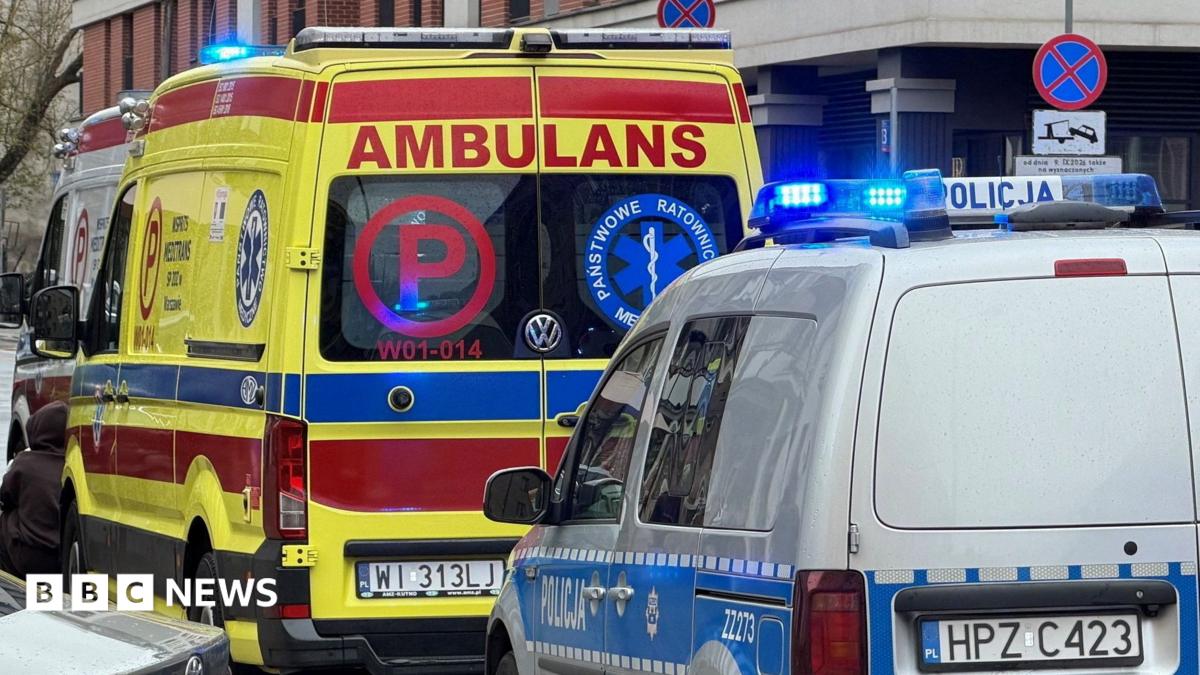
Geopolitical & Core Developments
A wave of unprecedented violence across Polish educational facilities has thrust national security and public safety into the center of the political arena. Over the span of a single week, three separate knife attacks occurred in Polish schools, culminating in the tragic death of a female caretaker and leaving several others injured. The rapid succession of these violent incidents has overwhelmed local law enforcement agencies and prompted the central government to authorize emergency police deployments across educational institutions nationwide. State authorities, security officials, and educational ministries are now locked in urgent consultations to determine the systemic vulnerabilities that allowed these tragedies to unfold. Intelligence and domestic security services are investigating potential copycat dynamics and radicalization vectors, while regional governors implement strict access controls at public facilities. The unprecedented nature of these events has shaken public confidence in domestic security infrastructure, forcing a comprehensive re-evaluation of how public institutions manage internal threats and monitor acute psychological distress among civilians.
[Global Trade](/news/gaza-casualties-cast-shadow-over-global-trade-security) & Economic Ripples
While the crisis remains primarily a domestic security and social issue, the sudden strain on Poland's internal security apparatus carries broader economic implications for Central Europe's largest market. Increased government spending on emergency security measures, institutional hardening, and expanded mental health services will necessitate fiscal adjustments within the national budget. Furthermore, heightened security alerts and social unease can subtly impact consumer confidence, retail foot traffic, and foreign direct investment sentiment in affected municipalities. As a vital logistical hub for regional trade and humanitarian supply chains into Eastern Europe, maintaining domestic stability in Poland is paramount for international commercial stakeholders. Any prolonged civil disruption or perception of institutional vulnerability could introduce risk premiums into regional logistics, affecting cross-border operations and insurance valuations for commercial enterprises navigating the Central European corridor.
Related Intelligence: Verstappen Triumphs in Chaotic Singapore Grand Prix Sprint Amid Supply Chain Disruptions
International Reactions & Diplomatic Stances
International observers, human rights organizations, and neighboring European Union member states have expressed deep concern over the escalating violence in Polish schools. European capitals have offered intelligence-sharing and specialized security assistance to help Polish authorities address the underlying causes of the crisis. Multilateral bodies specializing in child welfare and public health have emphasized the urgent need for a pan-European strategy addressing youth mental health, institutional safety protocols, and the proliferation of violent digital content. Market analysts and geopolitical risk consultancies are closely monitoring the political fallout, noting that public safety and institutional competence are emerging as critical vulnerabilities for governments across the continent as societies grapple with post-pandemic social fractures.
Strategic Outlook & Future Scenarios
As Poland navigates this critical juncture, the trajectory of the crisis will depend heavily on the effectiveness of the government's emergency interventions. Upcoming legislative sessions are expected to introduce sweeping reforms regarding school security, mandatory threat assessments, and enhanced psychological support networks. Failure to decisively curb the violence and restore public trust could lead to political instability and friction within the ruling coalition. Conversely, a transparent and robust national response could fortify institutional resilience, setting a new benchmark for public safety management across the European Union as member states confront complex modern security challenges.
Join Our Official WhatsApp Channel
Receive live commodity alerts, policy changes, and commercial intelligence directly on WhatsApp.