
NATO Bolsters Black Sea Air Patrols Following Heightened Drone Strikes
NATO is deploying additional maritime patrol aircraft to the Black Sea following lethal drone incursions, signaling heightened vigilance over vital international shipping corridors and Eastern European security.
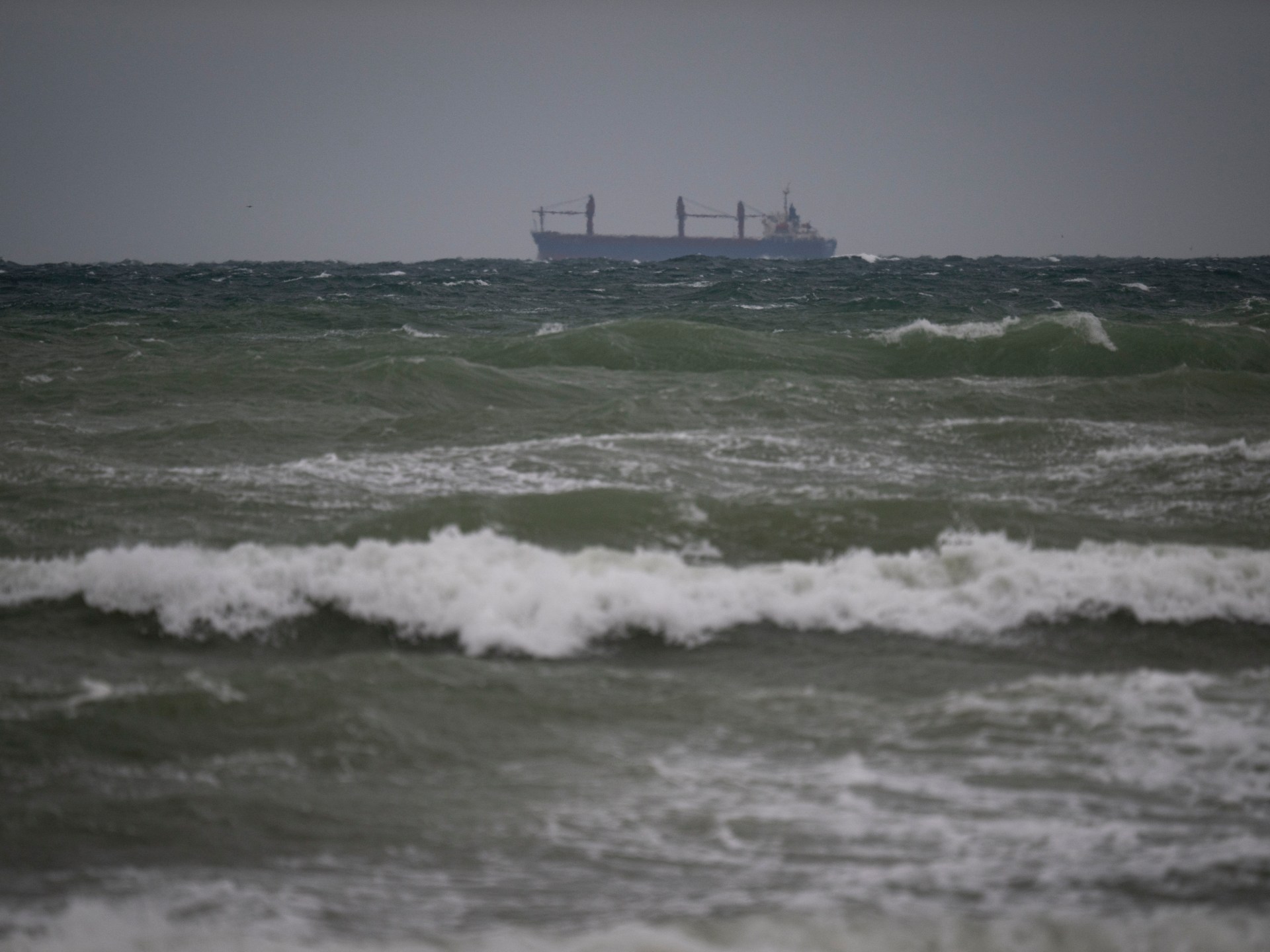
Geopolitical & Core Developments
The North Atlantic Treaty Organization (NATO) has formally confirmed the deployment of additional maritime patrol aircraft to the Black Sea theater, a decisive operational adjustment triggered by a series of lethal drone strikes across the littoral zone. Alliance leadership authorized the expanded aerial surveillance mission following intensified uncrewed aerial vehicle (UAV) engagements that compromised perimeter security near member states Romania and Bulgaria, as well as Ukrainian export hubs.
Over the past several weeks, repeated strikes have struck logistics nodes along the Danube River and southern Ukrainian ports, with kinetic debris repeatedly landing on Allied territory. The reinforcement package features advanced airborne early warning and control system (AWACS) platforms, alongside maritime patrol assets equipped with anti-submarine and surface-surveillance capabilities. By consolidating its persistent intelligence, surveillance, and reconnaissance (ISR) umbrella, NATO intends to deter further maritime encroachments, monitor littoral navigation lanes, and provide real-time tracking of aerial and surface vectors threatening neutral airspace and territorial waters.
[Global Trade](/news/us-midterm-elections-geopolitical-impact-global-trade) & Economic Ripples
The militarization of the Black Sea directly destabilizes one of the world’s most sensitive commercial arteries, bearing severe ramifications for international agricultural trade and energy distribution. The Black Sea corridor serves as the primary conduit for Ukrainian and Russian agricultural outputs, accounting for substantial shares of global wheat, corn, and sunflower oil exports. The introduction of enhanced military patrols and persistent drone threats has immediately influenced commercial maritime logistics.
Lloyd's Joint War Committee and leading maritime insurers have sustained elevated war-risk premiums for vessels transiting the northwestern Black Sea. Shipping operators face steep insurance surcharges, ranging up to several percentage points of a vessel's hull value per voyage, which translates to prohibitive operational overheads. These added logistical costs are subsequently transferred to final import destinations, primarily developing nations across North Africa and the Middle East that rely on Black Sea grain baskets. Furthermore, commercial tanker traffic accessing critical crude export terminals off Novorossiysk faces persistent volatility, adding a risk premium to Mediterranean crude benchmarks.
Related Intelligence: US Midterm Stakes Reshape Geopolitical Outlook and Global Trade Trajectory
International Reactions & Diplomatic Stances
Alliance headquarters in Brussels characterized the deployment as a necessary, defensive measure intended to protect sovereign Allied airspace and safeguard the principle of free navigation under international law. NATO Secretary General officials reaffirmed that while the alliance does not seek escalation with the Russian Federation, it remains obligated to reinforce collective deterrence along its eastern flank.
Regional partners, particularly Romania, welcomed the deployment, citing the recurrent danger posed by stray ordnance and electronic jamming that interferes with civil aviation and commercial maritime navigation. Conversely, Moscow denounced the reinforced patrol posture as provocative, asserting that expanded NATO surveillance in proximity to Russian naval installations diminishes regional stability and risks direct confrontation between nuclear-armed adversaries. Multilateral trading bodies and United Nations officials have urged restraint, reiterating that unhindered merchant shipping is essential to preserve global food security metrics.
Strategic Outlook & Future Scenarios
The strategic trajectory in the Black Sea indicates protracted tension rather than near-term de-escalation. As asymmetric drone warfare transforms maritime combat, sovereign states and non-state actors will continue to utilize long-range UAVs, necessitating permanent changes to regional security architecture. The enhanced presence of Western maritime patrol aircraft significantly improves regional battle-space awareness but concurrently heightens the mathematical probability of close-quarter aerial intercepts and electronic countermeasure exchanges.
In the coming months, Allied defense ministers are anticipated to review permanent regional presence postures ahead of key diplomatic summits. Should strikes near commercial terminals continue unabated, commercial maritime corridors may increasingly rely on coastal territorial waters under direct Allied air defense umbrellas, permanently reshaping the commercial geography of Black Sea shipping routes.
Join Our Official WhatsApp Channel
Receive live commodity alerts, policy changes, and commercial intelligence directly on WhatsApp.