
Kenya Opposition Realignment Threatens East African Political and Economic Stability
Internal fractures within Kenya's opposition following Raila Odinga's diplomatic pivot are reshaping domestic governance, threatening fiscal reform implementation and East African cross-border logistics.
Geopolitical & Core Developments
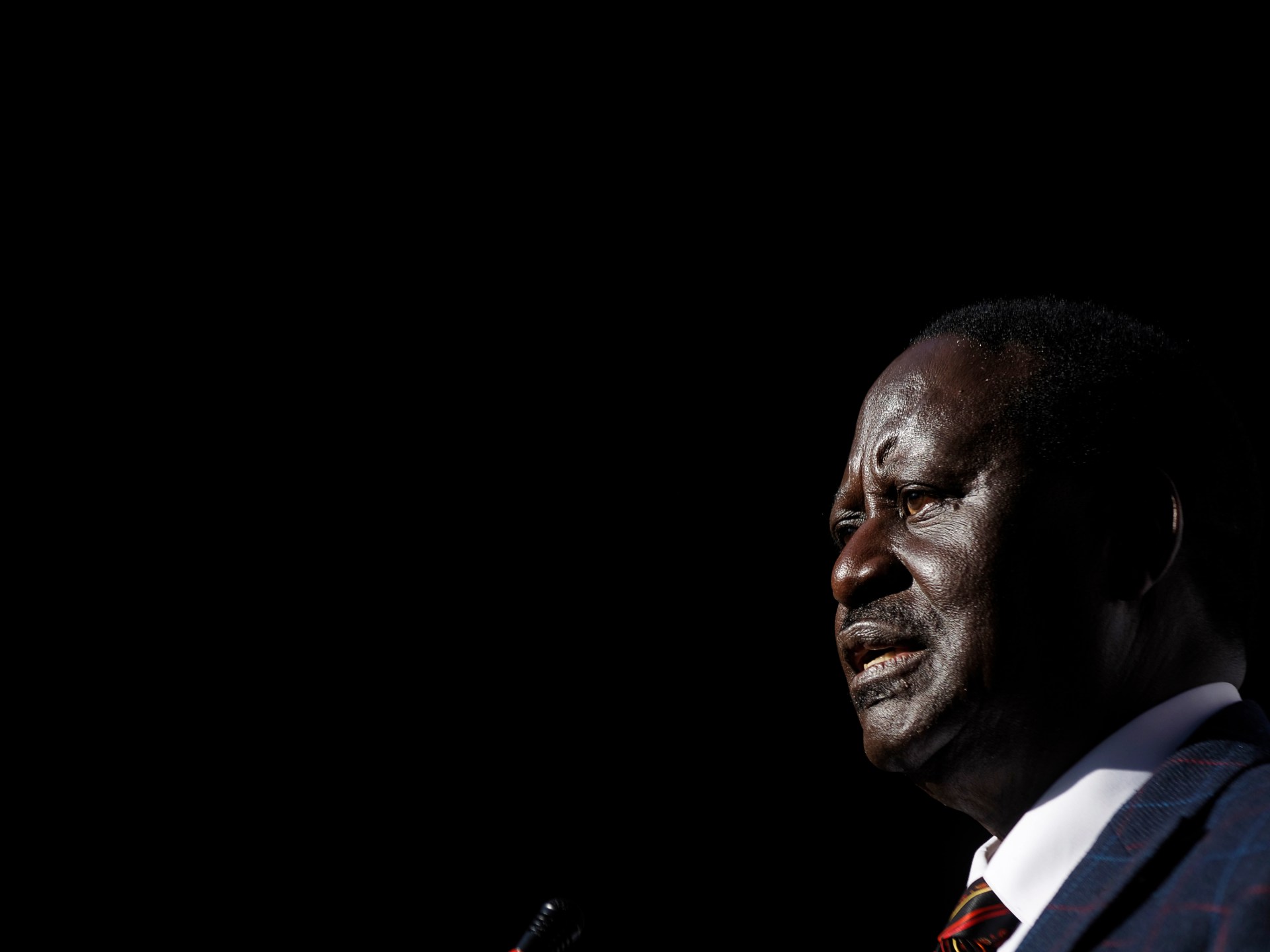
One year after veteran opposition figure Raila Odinga initiated his campaign for the African Union Commission chairmanship, Kenya's domestic political landscape has experienced an unprecedented realignment. The Orange Democratic Movement (ODM), long the anchor of the opposition Azimio la Umoja coalition, faces acute factionalism following President William Ruto's decision to co-opt prominent opposition figures into a reconstituted 'broad-based' cabinet. This strategic reconciliation, accelerated in the wake of widespread youth-led anti-tax protests in mid-2024, has effectively neutralized institutional opposition while creating deep ideological rifts within ODM.
Key Odinga loyalists, including former deputy party leaders John Mbadi and Wycliffe Oparanya, accepted cabinet portfolios overseeing National Treasury and Cooperatives respectively. This integration has left junior lawmakers, civil society coalitions, and populist youth factions politically orphaned. Without Odinga's centralizing authority to discipline dissent or challenge state policy, traditional checks on executive power have weakened. Analysts note that while the rapprochement temporarily stabilized the administration of President Ruto, it has fragmented the electorate, setting the stage for unpredictable political volatility ahead of the 2027 general elections.
[Global Trade](/news/us-midterm-elections-geopolitical-impact-global-trade) & Economic Ripples
Kenya serves as the undisputed logistics and financial conduit for East and Central Africa, anchoring the Northern Corridor that connects the Port of Mombasa to landlocked economies including Uganda, Rwanda, South Sudan, and eastern Democratic Republic of the Congo. The domestic political truce has offered momentary reassurance to international creditors and institutional investors concerned about fiscal paralysis and civil unrest. The Kenyan Shilling, which suffered historic depreciation throughout 2023, has maintained relative stability, curbing imported inflation across critical commodities such as refined petroleum, fertilizer, and unmilled wheat.
However, the lack of a structured opposition complicates the passage of essential revenue-raising measures mandated under International Monetary Fund (IMF) Extended Fund Facility programs. Global commodity traders operating out of Nairobi face persistent uncertainty regarding sovereign debt sustainability, municipal trade licenses, and cross-border customs harmonization. Should grassroots dissent bypass fractured parliamentary parties and manifest as sporadic industrial action or port disruptions, supply chains across the Great Lakes region face renewed demurrage fees, increased freight risk premiums, and prolonged transit times.
Related Intelligence: Former FDLR Combatants Repatriate to Rwanda Amid Great Lakes Tension
International Reactions & Diplomatic Stances
Western diplomatic missions, led by the United States and the European Union, have maintained a pragmatic stance toward Nairobi's political consolidation. Multilateral institutions view executive-legislative harmony as a prerequisite for implementing stringent macroeconomic reforms and stabilizing East Africa's largest economy. Diplomatic statements from Western partners emphasize the preservation of constitutional rights, peaceful assembly, and institutional accountability, balancing support for President Ruto's regional security initiatives against concerns over democratic backsliding.
Conversely, regional trade organizations, including the East African Community (EAC) Secretariat and the Common Market for Eastern and Southern Africa (COMESA), have monitored the political shifts with cautious optimism, prioritizing transit corridor fluidity over internal electoral competition. Market analysts at major credit agencies note that while political coalition-building mitigates immediate sovereign default risks, the co-optation of opposition mechanisms reduces long-term transparency in public procurement and state infrastructure contracts.
Strategic Outlook & Future Scenarios
Moving forward, Kenya's governance framework faces dual pressure points. The trajectory of the Orange Democratic Movement hinges largely on the outcome of the African Union elections. A victory for Odinga will permanently institutionalize his continental role, accelerating the succession battle between ODM reformists seeking independence and accommodationists aligned with the state apparatus. Conversely, a loss could see Odinga attempt to reclaim his populist base, destabilizing the current legislative coalition.
Over the next twelve to eighteen months, the primary geopolitical risk remains grassroots disenfranchisement. Deprived of orthodox parliamentary avenues, public resistance to fiscal adjustments, fuel levies, and austerity frameworks could trigger decentralized protests outside the influence of traditional political elites. International sovereign debt markets, energy import consortia, and multinational corporations anchored in Nairobi will closely monitor these fault lines to calibrate long-term capital allocation across East Africa.
Join Our Official WhatsApp Channel
Receive live commodity alerts, policy changes, and commercial intelligence directly on WhatsApp.