
King Charles Hails Oman Peace Diplomacy During London State Visit
King Charles III praised Oman's critical diplomatic initiatives to maintain open maritime navigation across the Strait of Hormuz during an official state visit by Sultan Haitham bin Tariq in London.
Geopolitical & Core Developments
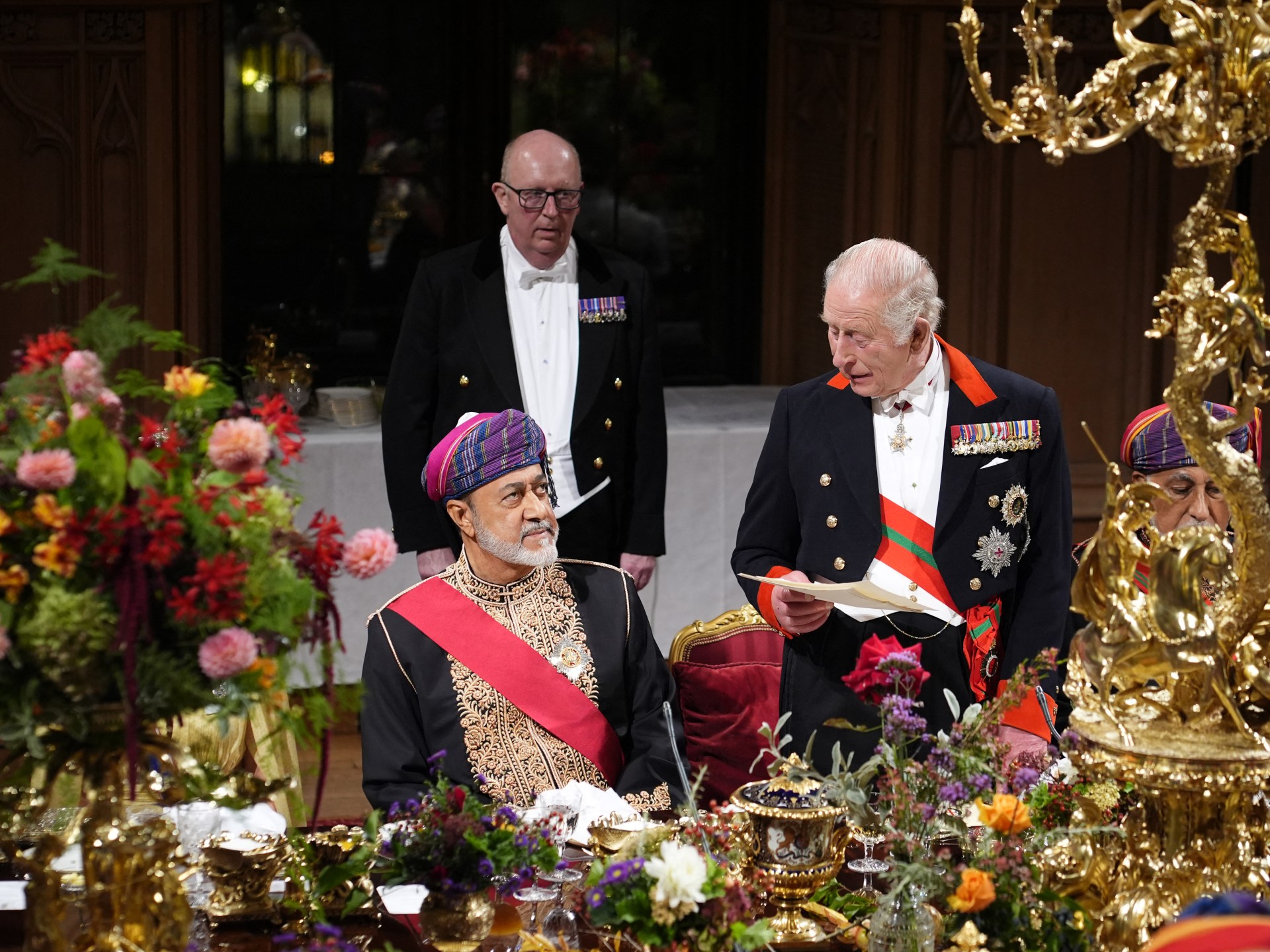
King Charles III welcomed Sultan Haitham bin Tariq of Oman to London for a state visit centered on bilateral security, historic defense alignments, and mediation in volatile regional maritime corridors. During an official address, the British monarch paid tribute to Muscat's noble efforts in preserving stability and facilitating dialogue across the Persian Gulf, singling out Oman's historical and ongoing interventions to de-escalate tensions and help keep the strategic Strait of Hormuz open to commercial traffic.
The bilateral discussions between the British Crown, Prime Minister Keir Starmer's administration, and the Omani delegation emphasized Muscat's irreplaceable role as a diplomatic conduit between Western powers, regional Arab partners, and Tehran. Positioned along the southeastern coast of the Arabian Peninsula, Oman has maintained an enduring posture of strict non-alignment and constructive neutrality, often serving as the primary intermediary for hostage negotiations, backchannel communications, and naval coordination during periods of heightened conflict.
[Global Trade](/news/us-midterm-elections-geopolitical-impact-global-trade) & Economic Ripples
The strategic focus on the Strait of Hormuz directly addresses acute vulnerabilities within the global energy transit architecture. Approximately one-fifth of the world's petroleum consumption passes through this narrow waterway daily, linking major crude producers across Saudi Arabia, Iraq, the United Arab Emirates, and Kuwait to high-demand industrial hubs across Asia and Europe. Prolonged disruption or asymmetric threats to commercial shipping in this corridor inevitably trigger immediate risk premiums in Brent crude futures, escalate maritime insurance rates, and disrupt refined product supply chains.
Oman's quiet diplomatic assurances and joint naval surveillance with international task forces provide necessary stability for global logistics operators. For London, post-Brexit commercial diplomacy aligns with the Gulf Cooperation Council free trade negotiations, where Muscat represents a stable partner for green energy investments, defense contracts, and infrastructure development. The stability ensured by Omani neutrality directly shields international commodity markets from catastrophic supply shocks, anchoring commercial flows that underpin fertilizer, crude, and liquefied natural gas distribution globally.
Related Intelligence: US Midterm Stakes Reshape Geopolitical Outlook and Global Trade Trajectory
International Reactions & Diplomatic Stances
Western diplomatic circles broadly welcomed the London summit as a reaffirmation of the rules-based maritime order. British foreign policy analysts noted that Downing Street views Oman as an essential anchor in an increasingly fragmented Middle Eastern security environment, particularly amid continued instability in the Red Sea and Gulf of Aden.
Representatives from international maritime bodies and shipping federations reiterated that regional mediation by littoral states remains far more effective in securing sea lanes than purely kinetic or unilateral naval deployments. Market analysts underscored that Oman's credibility in Tehran, Washington, and European capitals gives Muscat unique leverage to negotiate maritime safety protocols and prevent accidental naval escalations between state navies and commercial vessels.
Strategic Outlook & Future Scenarios
Moving forward, the Anglo-Omani strategic partnership will likely translate into deepened naval intelligence sharing, expanded joint military exercises, and coordinated diplomatic frameworks ahead of upcoming regional security summits. As tensions surrounding broader Middle Eastern conflicts continue to threaten international shipping lanes, Muscat's balancing act will face heightened operational pressures.
Key indicators to monitor include whether the Sultanate can successfully negotiate durable maritime de-escalation guarantees between regional adversaries and whether ongoing GCC-UK trade talks will yield concrete tariff reductions on advanced manufacturing and energy services. Should peripheral maritime flashpoints deteriorate, the international community will increasingly rely on Muscat to preserve vital logistical transit routes and deter systemic global trade shocks.
Join Our Official WhatsApp Channel
Receive live commodity alerts, policy changes, and commercial intelligence directly on WhatsApp.