
Musk Pledges 10 Billion Dollar SpaceX Equity as Political Debates Intensify
Elon Musk has committed 10 billion dollars in SpaceX shares to child trust funds, triggering international scrutiny over corporate-state alignment, sovereign procurement, and political finance dynamics.
Geopolitical & Core Developments
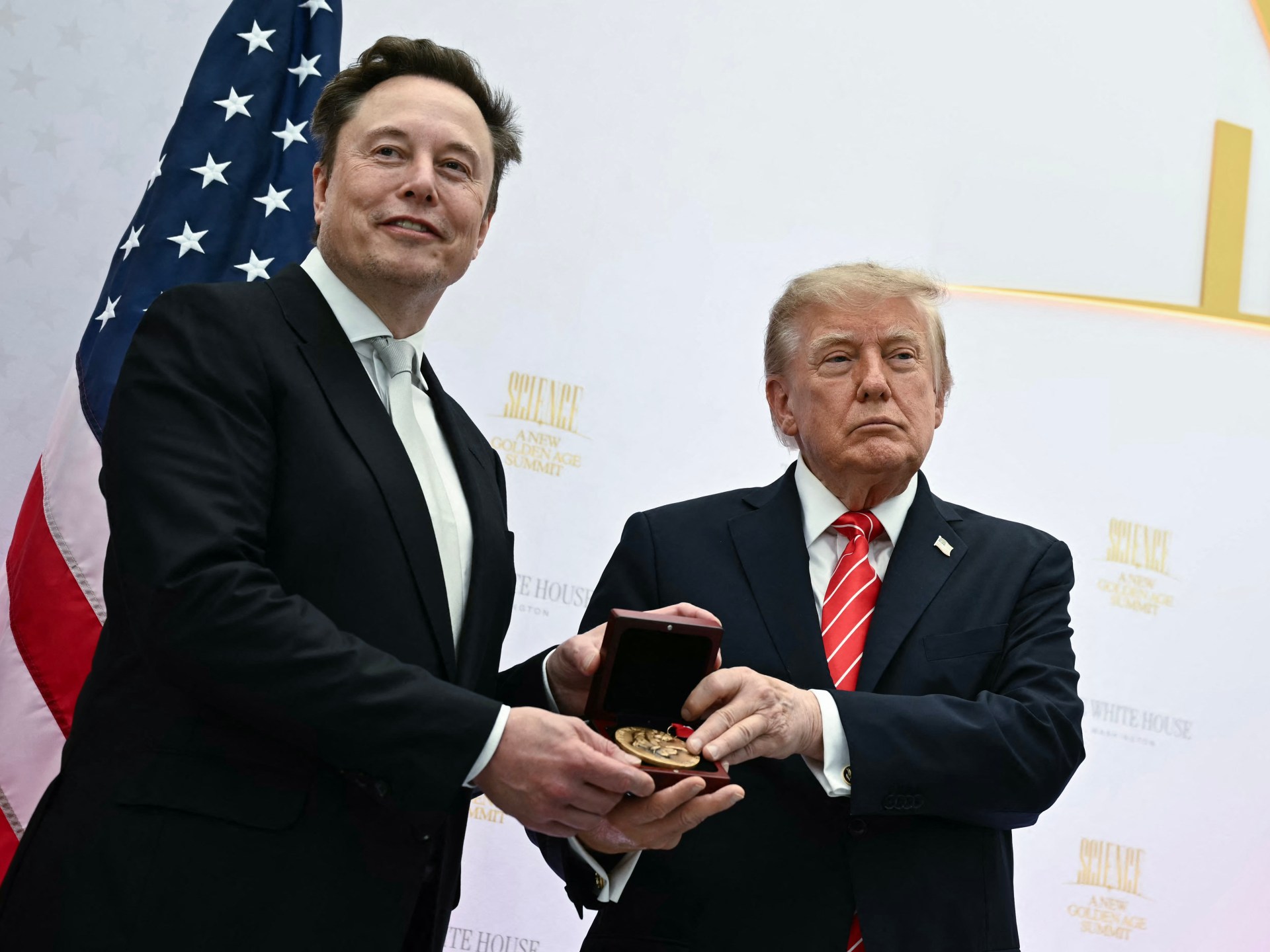
Billionaire industrialist Elon Musk has pledged an estimated $10 billion worth of equity in Space Exploration Technologies Corp. (SpaceX) toward an initiative aimed at funding accounts for American children. Framed politically alongside former US President Donald Trump through proposed tax-advantaged structures, the maneuver surfaces just weeks before decisive United States mid-term electoral contests. SpaceX, currently commanding a valuation north of $200 billion, occupies a systemic role within Western orbital infrastructure, defense communications via Starlink, and sovereign payload deployments under NASA contracts.
The announcement introduces unprecedented overlap between private corporate equity and state-level social engineering proposals. Because SpaceX remains a privately held defense contractor, any transfer or escrow of its equity structures carries broad implications for corporate governance, national security vetting, and compliance under international arms trafficking and dual-use aerospace regulations. Analysts note that deploying privately held, strategically sensitive shares into mass civic trust accounts raises unprecedented operational questions regarding voting rights, liquidation mechanics, and regulatory scrutiny by federal agencies.
Global Trade & Economic Ripples
While ostensibly a domestic initiative, the economic ramifications ripple across sovereign investment and tech finance ecosystems. Private aerospace assets serve as a proxy for Western technological primacy. The dedication of a major equity tranche introduces volatility into private secondary markets, where institutional sovereign wealth funds, Western pension vehicles, and venture conglomerates trade aerospace liquidity. Foreign capital allocations into private dual-use Western defense conglomerates face heightened friction if public-policy linkages politicize company cap tables.
Furthermore, the announcement impacts broader currency and financial governance debates regarding non-liquid wealth redistribution. Should tech equity replace traditional sovereign paper or fiat capital in subsidized savings vehicles, standard balance sheet mechanics within the financial sector will require structural adjustments. The nexus of aerospace industrial production, government launch subsidies, and speculative valuation models also carries downstream risks for international satellite launch pricing, insurance underwriting for orbital payloads, and multinational supply chain stability reliant on US commercial aerospace leadership.
Related Intelligence: West Bank Settler Encroachment Intensifies Risks for Regional Stability
International Reactions & Diplomatic Stances
Global market watchdogs and political economy analysts have responded with cautious scrutiny. Fiscal policy institutions across Europe have noted the transaction highlights the deepening financial intertwining between state actors and elite technological monopolists in the United States. Multilateral governance observers point to potential vulnerabilities under World Trade Organization subsidy definitions, as aerospace conglomerates deeply tied to public launch contracts simultaneously function as conduits for private social pledges.
Financial transparency bodies have raised concerns regarding valuation verification. Because SpaceX does not trade on public exchanges, institutional analysts emphasize that assigning a static $10 billion benchmark relies on private secondary pricing metrics that lack daily price discovery. Market regulators across partner jurisdictions in the European Union and the Asia-Pacific region continue to observe whether the deployment of private contractor equity signals broader shifts toward deregulated corporate-state finance models.
Strategic Outlook & Future Scenarios
In the coming quarters, the initiative must navigate legal scrutiny under United States securities regulations and gift tax frameworks. If formalized, sovereign wealth managers anticipate pushback regarding board governance, specifically whether external trustees would possess fiduciary or voting sway over SpaceX operational decisions. Such an outcome could complicate the company's defense-sensitive partnerships with Western allies, including payload missions for five-eyes intelligence consortiums.
The trajectory of this pledge will serve as a bellwether for how corporate balance sheets are leveraged in high-stakes electoral cycles. Should the proposal clear regulatory and legislative hurdles, it may establish a global precedent wherein non-state aerospace, defense, and technology corporations construct parallel sovereign wealth or trust systems. Conversely, intense regulatory pushback or electoral realignment could render the transaction legally untenable, re-anchoring corporate aerospace equity firmly within conventional capital markets.
Join Our Official WhatsApp Channel
Receive live commodity alerts, policy changes, and commercial intelligence directly on WhatsApp.