
European Elite Clash Signals Broader Shifts Across Continent's Commercial Landscape
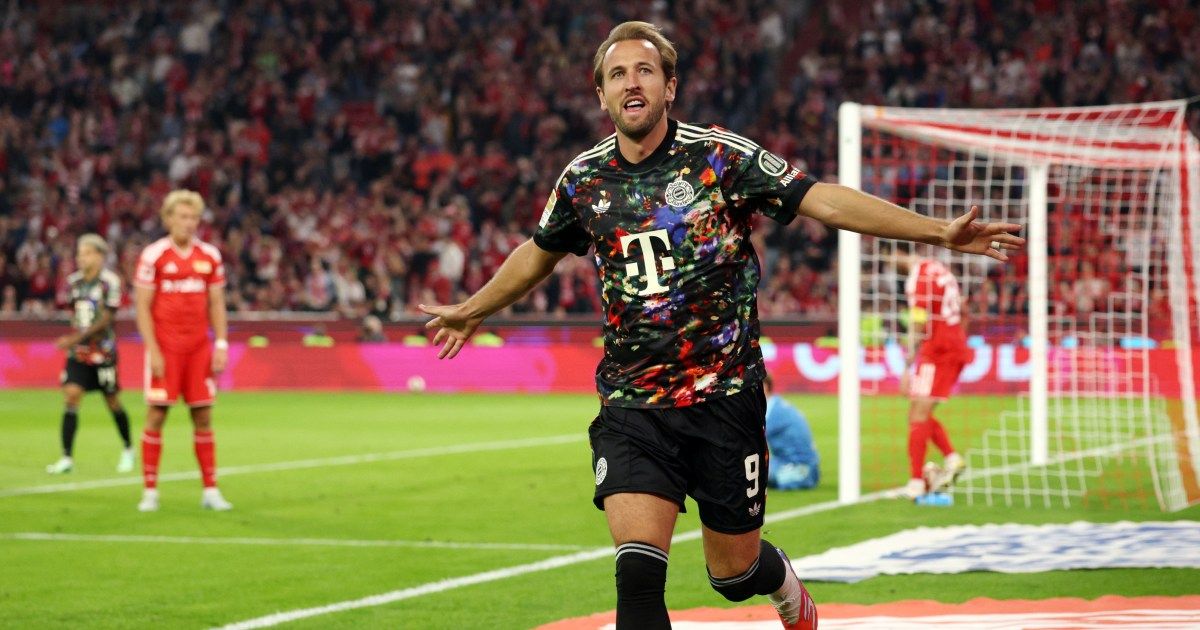
Bayern Munich and Arsenal prepare for their sixteenth Champions League encounter, illuminating broader commercial and geopolitical alignments across Britain and the European Union.
Geopolitical & Core Developments
The sixteenth Champions League fixture between German powerhouse Bayern Munich and England's Arsenal arrives against a complex backdrop of European multilateral integration, sports diplomacy, and cross-border commercial ties. While staged on the pitch, these high-profile continental sporting events serve as bellwethers for Anglo-German economic engagement in the post-Brexit regulatory landscape. State authorities, metropolitan police departments, and pan-European transport networks across Munich and London continue to maintain elevated bilateral security frameworks, ensuring fluid border movements for tens of thousands of international travelers.
The strategic dimension of modern European football operations mirrors sovereign and corporate alignments. Ownership models reflect broader international capital allocations, where institutional investors and sovereign wealth pools increasingly deploy resources into premium European sports properties. The Bayern-Arsenal fixture illustrates the enduring leverage of established European sporting institutions in retaining cultural hegemony and attracting foreign direct investment, even as non-European consortiums intensify their pursuit of sports entertainment assets globally.
[Global Trade](/news/us-midterm-elections-geopolitical-impact-global-trade) & Economic Ripples
High-stakes European sporting fixtures generate significant downstream impacts across hospitality, aviation, broadcast telecommunications, and digital retail. Bilateral travel corridors between the United Kingdom and Germany experience concentrated demand spikes, providing short-term revenue infusions for commercial carriers, hotel operators, and municipal transit systems. More broadly, the encounter underscores the substantial capital circulating within multinational broadcast licensing agreements, which constitute critical financial vectors for European media conglomerates navigating advertising headwinds and inflation-strained consumer discretionary spending.
Furthermore, premier sporting events increasingly interact with corporate supply chains. Merchandising logistics, spanning sportswear manufacturers operating facilities in Southeast Asia to distribution nodes across Western Europe, depend on uninterrupted maritime freight routes. Although football fixtures do not dictate energy market trajectories, aggregate European stadium operations, transport grids, and corporate hospitality logistics spotlight the ongoing structural transition toward grid modernization and energy conservation across major European metropolitan centers.
Related Intelligence: Manchester United Confronts Mounting Crisis Amid Strained European Sporting Operations
International Reactions & Diplomatic Stances
Municipal leaders in Munich and sporting regulators across the continent have emphasized the role of elite competitions in sustaining cross-border cohesion. UEFA officials continue to advocate for continental solidarity frameworks, framing premier tournaments as key cultural bridges between European Union member states and third-country partners such as the United Kingdom.
Commercial analysts and credit rating agencies monitor these marquee fixtures as indicators of consumer resilience. Analysts note that European entertainment expenditure has remained remarkably insulated from broader manufacturing downturns and regional fiscal tightening. Industry observers highlight that corporate sponsorship valuations remain resilient, reflecting multinational brands' strategic determination to secure high-visibility inventory amid fragmented digital media landscapes.
Strategic Outlook & Future Scenarios
The trajectory of high-tier European sports commerce points toward intensified globalization of club revenues and institutionalized capital inflows. Cross-border competitions will increasingly test regulatory harmonisation between the UK Competition and Markets Authority and European Union antitrust authorities, particularly regarding media distribution rights, multi-club ownership models, and financial sustainability frameworks.
In the medium term, strategic attention will focus on how elite sporting networks manage rising travel costs, complex visa frameworks for traveling workforces, and heightened environmental disclosure requirements imposed by continental regulators. As Bayern Munich and Arsenal renew their competitive rivalry, the fixture reaffirms the resilient structural integration linking Western Europe's two largest national economies through commerce, logistics, and international sports governance.
Join Our Official WhatsApp Channel
Receive live commodity alerts, policy changes, and commercial intelligence directly on WhatsApp.