
West Bank Settler Encroachment Intensifies Risks for Regional Stability
Expanding settler incursions in the West Bank's South Hebron Hills underscore mounting human security concerns and broader geopolitical friction, complicating regional trade integration and multilateral diplomacy.
Geopolitical & Core Developments
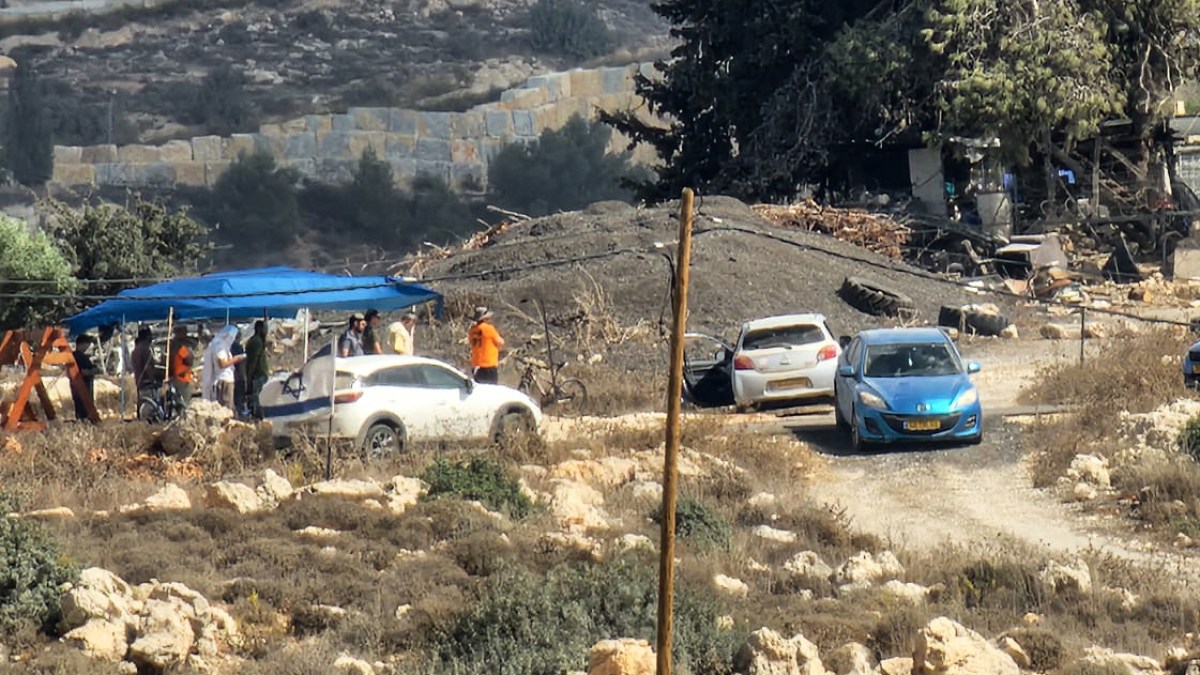
In the arid highlands of the South Hebron Hills, long-standing territorial friction has escalated into protracted sieges of isolated Palestinian communities. Over recent weeks, localized incidents—exemplified by families cut off in hamlets such as Zanuta and Umm al-Khair by surrounding settler outposts—have mirrored a systemic acceleration of land seizures across Area C of the occupied West Bank. Backed by expanding infrastructure networks and minimal intervention from state security apparatuses, unauthorized outposts continue to sever key rural arterial routes, restricting Palestinian agrarian mobility and heightening direct confrontation points.
The geopolitical implications extend far beyond tactical control of pastoral land. The South Hebron Hills represent a critical geographic corridor connecting the southern West Bank to regional transit zones. Sustained pressure on Palestinian farming enclaves threatens to permanently alter the demography of contiguous territories, effectively rendering a negotiated two-state framework obsolete. Despite international calls for de-escalation, local reporting reveals deliberate attempts to displace rural inhabitants through physical encirclement, destruction of water cisterns, and continuous operational pressure, further destabilizing an already volatile theater.
Global Trade & Economic Ripples
While direct commercial trade originating from the South Hebron Hills remains largely agrarian—centered on artisanal livestock grazing, dairy production, and olive cultivation—the broader economic ripples reverberate across Middle Eastern logistical channels and international commerce. The persistence of localized conflict maintains an elevated risk premium across Levant transit hubs and Eastern Mediterranean shipping corridors. Global logistics operators continue to price in security risks, insurance surcharges, and rerouting contingencies along regional overland freight networks.
Furthermore, unresolved land rights and human rights concerns have complicated prospective multilateral trade corridors, most notably the India-Middle East-Europe Economic Corridor (IMEC). Diplomatic capital diverted to address ongoing territorial disputes stalls structural investment into cross-border rail and energy transit pacts. Multinational corporations and sovereign wealth funds remain hesitant to commit foreign direct investment (FDI) to regional manufacturing and supply chains under the shadow of persistent security volatility and expanding secondary sanction regimes.
Related Intelligence: Nigeria Detects Bundibugyo Ebola Strain as Trade Corridors Face Scrutiny
International Reactions & Diplomatic Stances
Multilateral bodies and key international allies have sharpened their rhetoric in response to escalating West Bank violence. The United Nations Office for the Coordination of Humanitarian Affairs (OCHA) has systematically documented the displacement of rural communities, reiterating that uninhibited outpost growth violates international law, specifically the Fourth Geneva Convention. UN officials have issued warnings that continuous settler pressure risks triggering a systemic administrative collapse across the West Bank.
Diplomatic pressure from Western capitals has similarly transitioned from rhetorical condemnation to targeted administrative action. The United States Department of State, along with counterparts in the European Union, the United Kingdom, and Canada, have implemented rolling asset freezes and travel bans against specific extremist individuals and non-governmental entities accused of inciting displacement. However, European diplomats acknowledge that these unilateral sanctions have limited deterrence value on the ground without structural policy shifts from the Israeli government, creating friction between Western capitals and Jerusalem.
Strategic Outlook & Future Scenarios
The trajectory of the South Hebron Hills and adjacent rural territories points toward sustained friction and localized attrition. In the near term, absent concerted enforcement by civil administration authorities, localized blockades are likely to expand, accelerating the evacuation of vulnerable agrarian communities into crowded urban centers like Hebron and Yatta. This displacement pattern will deepen humanitarian strain across the southern West Bank and stretch donor-funded support mechanisms.
From a strategic perspective, upcoming international diplomatic summits and UN General Assembly deliberations will likely see European states push for broader multilateral sanctions, potentially targeting commercial entities and financing networks tied to unauthorized settlement infrastructure. Should escalation provoke wider civil resistance across Area C, regional security architectures will face significant stress tests, complicating diplomatic normalization agendas and cementing the West Bank as a primary fault line in Middle Eastern stability.
Join Our Official WhatsApp Channel
Receive live commodity alerts, policy changes, and commercial intelligence directly on WhatsApp.