
Murree School Van Tragedy Highlights Public Transport Safety Crisis
A devastating school van fire in Murree injures eleven people, exposing severe regulatory shortcomings in Pakistan's student transport sector and triggering urgent calls for nationwide commercial vehicle safety reforms.
The Core Development
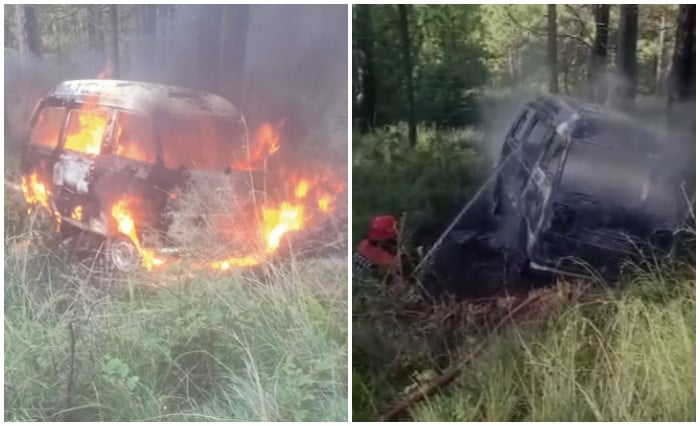
A routine morning commute turned into catastrophe in the mountainous terrain of Murree when a school transport van plunged off a winding road and subsequently caught fire, leaving 11 individuals—predominantly school children—injured. Emergency response units, including local rescue services and district police, rushed to the scene to extinguish the flames and evacuate the victims to nearby medical facilities. Preliminary investigations indicate that the vehicle suffered a mechanical failure while navigating a steep incline, leading to a loss of steering control before it breached the roadside barrier. The subsequent fire, suspected to have originated from a fuel line rupture ignited by electrical short-circuiting, compounded the disaster, trapping passengers inside before local bystanders intervened. District administration officials have cordoned off the accident site and initiated a formal inquiry into the vehicle's fitness certification, maintenance history, and compliance with regional transport authority regulations.
Commercial & Economic Implications
Beyond the immediate human toll, this tragic incident underscores systemic vulnerabilities within Pakistan's secondary transport and commercial vehicle sectors, with direct repercussions for retail trade, local service providers, and family household economies. The informal nature of school transport systems in hill stations and secondary cities often relies on aging, repurposed commercial vehicles operating outside stringent regulatory oversight. Fleet operators face compressed profit margins driven by soaring petroleum prices, spare parts inflation, and lubricants cost escalation, frequently forcing them to defer crucial maintenance and safety upgrades. This economic squeeze on transport providers directly compromises consumer safety, placing an undue financial and psychological burden on households. Furthermore, heightened scrutiny on vehicle fitness is expected to trigger temporary disruptions in local commuting supply chains, forcing municipal authorities to crack down on non-compliant operators and temporarily suspending numerous informal van services pending safety audits.
Related Intelligence: Bangkok Floods Trigger Supply Chain Disruptions and Local Market Adaptation
Stakeholder Perspectives & Market Reactions
In the wake of the disaster, transport associations, parent bodies, and civil society organizations have voiced outrage over lax enforcement of traffic safety laws by provincial transport departments. Representatives from commercial transporter unions argued that chronic inflation and high import tariffs on automotive spare parts make it economically unviable for small-scale operators to maintain modern fleets without state subsidies or targeted financing schemes. Conversely, consumer rights advocates and parent associations have demanded immediate criminal liability for operators deploying unfitness-certified vehicles for public and student transit. Legal experts note that while regional transport authorities possess statutory powers to impound hazardous vehicles, systemic corruption and administrative bottlenecks routinely undermine enforcement efficacy. Public officials have responded by promising expedited safety checks across tourist and mountainous districts, though skepticism remains high regarding the longevity of these enforcement campaigns.
Forward Outlook & Key Watchpoints
As the district administration finalizes its inquiry report, several critical watchpoints will determine the trajectory of transport policy reform in Pakistan. First, market observers will monitor whether the Punjab Provincial Transport Authority implements mandatory, verifiable fitness testing regimes for all educational institution transport vehicles. Second, financial analysts are assessing whether the government will introduce subsidized credit lines or tax relief on automotive safety equipment and replacement parts to assist cash-strapped commercial operators in upgrading their fleets. Finally, the long-term enforcement of speed limits, driver qualification standards, and emergency exit mandates in passenger vans will serve as a litmus test for the state's commitment to preventing similar tragedies. Failure to institute comprehensive regulatory overhauls risks perpetuating a cycle of preventable accidents, further destabilizing public confidence in regional transport infrastructure.
Join Our Official WhatsApp Channel
Receive live commodity alerts, policy changes, and commercial intelligence directly on WhatsApp.