
Delhi Protests Spark Urgent Reassessment of India's Economic Security and Safety
Widespread protests in Delhi following a surge of sexual assaults have triggered national debate, creating localized economic disruption and prompting multinational corporations to review security protocols for personnel.
Geopolitical & Core Developments
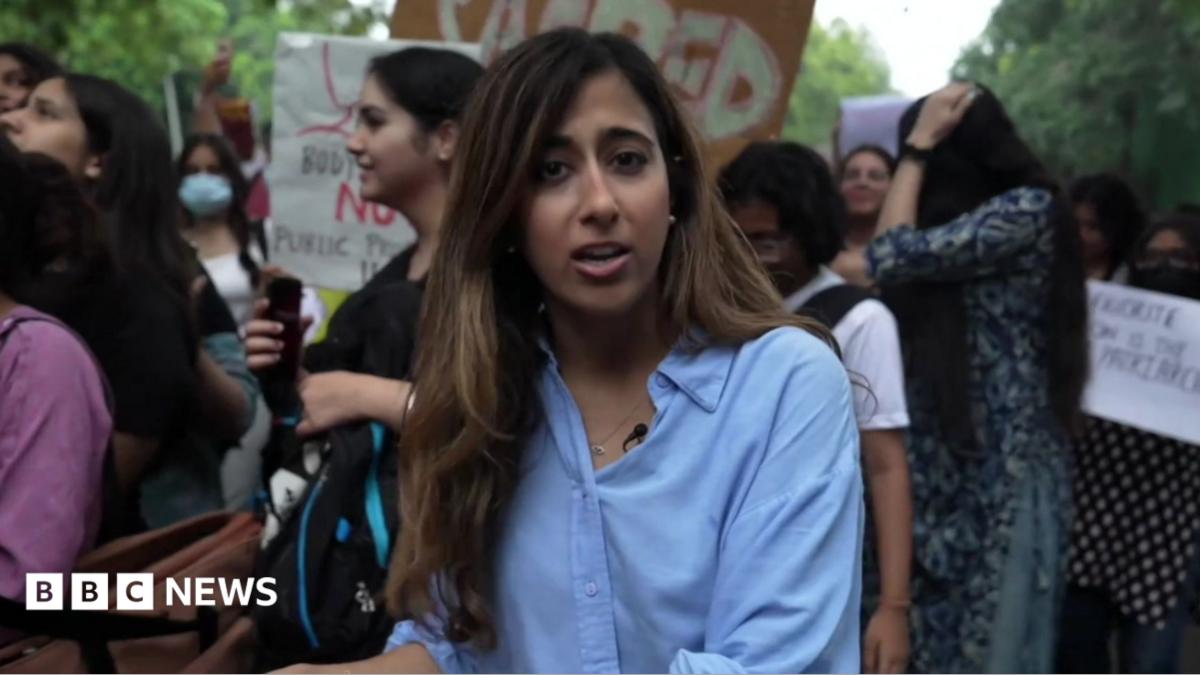
Hundreds of demonstrators have taken to the streets of Delhi in intense protests led by women's rights advocates, students, and civil society organizations following a distressing string of violent sexual assaults across the capital. BBC correspondent Azadeh Moshiri reports from the ground that public outrage has reached a boiling point, challenging the administrative efficacy of local and federal law enforcement agencies. The demonstrations have immobilized key commercial and governmental corridors, drawing heavy police deployment and igniting a fierce political debate regarding public safety infrastructure, judicial speed, and systemic gender-based violence in urban centers.
For the administration of Prime Minister Narendra Modi, the civil unrest presents a profound domestic challenge that reverberates outward into international perceptions of governance and rule of law. While economic development and infrastructure modernization remain central to India's pitch as a global superpower, recurring public safety crises threaten to undermine the social fabric necessary to sustain long-term foreign direct investment. State actors and municipal officials are under immense pressure to institute immediate legislative and policing reforms to restore public order and re-establish confidence in the state's capacity to protect its citizenry.
Global Trade & Economic Ripples
While the protests are primarily a social and human rights crisis, their commercial implications are drawing close scrutiny from global market analysts and multinational corporations operating in South Asia. Delhi functions as a pivotal administrative and financial hub, and sustained disruptions to transportation and public movement directly impact commercial productivity, retail commerce, and service sector output. Financial institutions and technology firms with significant operational footprints in the National Capital Region have temporarily adjusted staffing models and heightened travel advisories for visiting international executives.
Furthermore, international investor sentiment is increasingly sensitive to environmental, social, and governance metrics. As global institutional funds prioritize stringent social governance standards, persistent domestic instability and civil rights concerns can influence capital allocation decisions. Supply chain continuity remains stable for heavy manufacturing and commodity exports located in other industrial corridors, but the broader service economy faces reputational headwinds if civil unrest persists without a credible, structural policy response from federal authorities.
Related Intelligence: Rawalpindi Viral Car Dragging Incident Sparks Public Safety Concerns
International Reactions & Diplomatic Stances
International bodies and foreign diplomatic missions in New Delhi are monitoring the unfolding protests with acute attention. Representatives from several Western embassies have reiterated the importance of robust legal protections and public safety for all residents and foreign nationals. Human rights organizations and multilateral institutions, including United Nations agencies focused on gender equality, have issued statements urging the Indian government to accelerate judicial processes, enforce stringent policing standards, and engage transparently with civil society leaders.
Global market analysts note that while international trade agreements and bilateral diplomatic ties between India and its major economic partners remain fundamentally insulated from domestic social unrest, sustained international media coverage of systemic safety issues can prompt institutional investors to re-evaluate risk premiums associated with the region. Corporate boards are increasingly factoring social stability and urban infrastructure reliability into their long-term strategic expansions within the Indo-Pacific corridor.
Strategic Outlook & Future Scenarios
As the political fallout from the Delhi protests continues to unfold, the trajectory of the crisis will depend heavily on the legislative and executive actions taken by the central government. Upcoming parliamentary sessions and municipal council meetings are expected to feature intense debates over emergency funding for urban surveillance, fast-track judicial courts for violent crimes, and comprehensive police reform. Failure to implement credible, long-term solutions risks entrenching civil discontent, potentially leading to broader nationwide strikes that could disrupt commercial activities.
For international observers and global trade strategists, India remains an indispensable economic partner and a crucial geopolitical counterweight in Asia. However, the current unrest serves as a stark reminder that sustainable economic growth must run parallel to robust social security and institutional reform. As upcoming international economic summits approach, New Delhi will need to demonstrate decisive leadership in addressing these internal challenges to reassure global markets and maintain its trajectory as a trusted destination for international capital and commerce.
Join Our Official WhatsApp Channel
Receive live commodity alerts, policy changes, and commercial intelligence directly on WhatsApp.