
Trump Government Funded Advertising Campaign Sparks Legal and Ethical Crisis
President Trump faces severe bipartisan criticism and legal challenges after fronting promotional advertisements financed directly by US government funds.
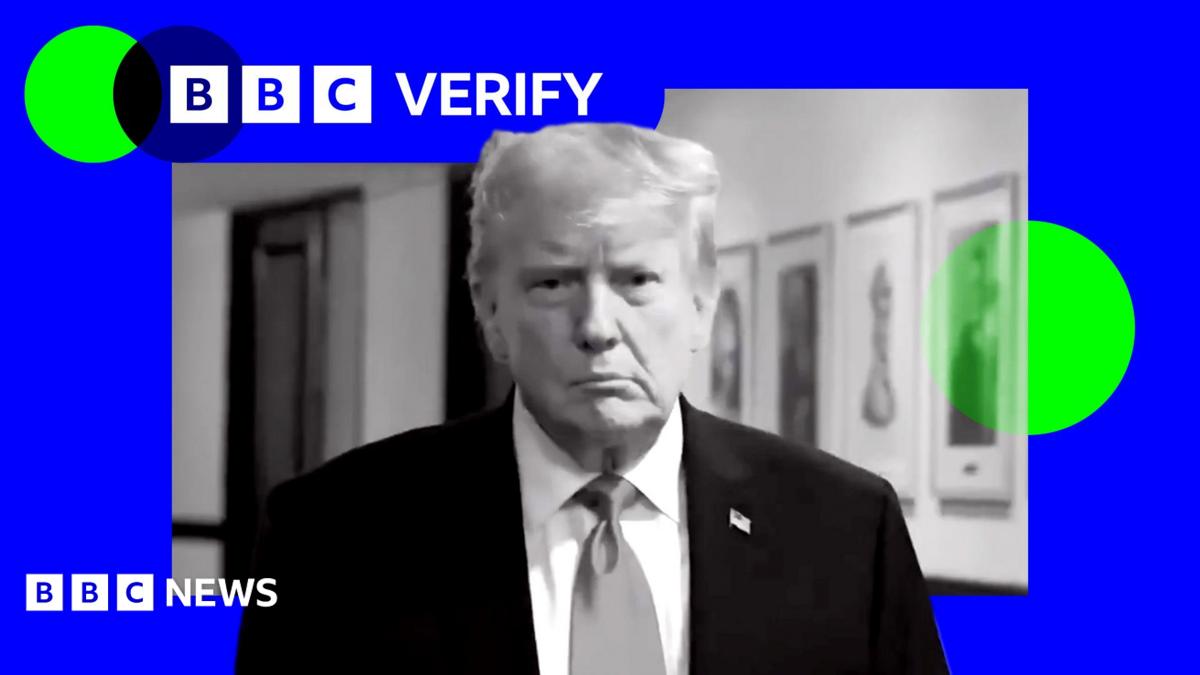
Geopolitical & Core Developments
The intersection of executive authority and public finance has entered a contentious phase following revelations that US President Donald Trump fronted a series of prominent advertising campaigns financed directly through federal government budgets. The initiative, ostensibly designed to communicate official administration policies to the American public, quickly drew fierce condemnation from constitutional scholars, ethics watchdogs, and political opponents who argue the broadcasts blur the critical line between state communication and partisan self-promotion.
At the core of the controversy is the deployment of taxpayer resources to elevate the personal profile of a sitting head of state during a delicate political climate. Historically, taxpayer-funded public service announcements adhere to strict statutory guidelines ensuring non-partisan dissemination of vital information, such as health advisories or economic data. However, legal analysts point out that the recent wave of spots places executive leadership front and center, raising acute questions regarding compliance with the Antideficiency Act and federal prohibitions against using government funds for unauthorized publicity or lobbying campaigns.
The timeline of these broadcasts coincides with heightened political polarization in Washington, amplifying the strategic stakes for both the administration and its congressional oversight committees. As watchdog organizations file formal complaints with federal inspectors general, the debate threatens to precipitate a broader constitutional showdown over the limits of executive power, administrative oversight, and the ethical management of the federal purse.
Global Trade & Economic Ripples
While ostensibly a domestic political controversy within the United States, the deployment of contested federal funds and the ensuing regulatory uncertainty carry subtle yet significant implications for international trade partners and global commodity markets. Institutional stability and the predictability of American regulatory environments serve as foundational pillars for global capital flows, foreign direct investment, and multinational supply chain planning.
International investors closely monitor domestic legal crises in major economies because internal political friction can disrupt legislative agendas, delay budgetary approvals, and alter trade policy enforcement. When executive overreach or fiscal impropriety becomes a central theme in Washington, currency traders and commodity markets often price in a higher degree of policy volatility. Any disruption in the coherent execution of US administrative policy directly impacts international currency valuations, particularly the US Dollar, which acts as the primary benchmark for global trade in energy, agriculture, and industrial metals.
Furthermore, prolonged legal challenges regarding executive spending could distract federal agencies responsible for enforcing international trade agreements, export controls, and strategic tariffs. Global commodity traders navigating complex supply chain bottlenecks and shifting geopolitical alliances rely on steady regulatory enforcement; any administrative paralysis stemming from domestic scandals introduces friction into international commercial transactions.
Related Intelligence: Bangkok Floods Trigger Supply Chain Disruptions and Local Market Adaptation
International Reactions & Diplomatic Stances
International observers, foreign ministries, and multilateral bodies have observed the unfolding controversy with cautious discretion, mindful of diplomatic protocols prohibiting direct interference in domestic US affairs. However, European and Asian trade partners have expressed private concerns regarding the stability of American institutional norms. Foreign policy analysts note that the erosion of domestic consensus in Washington weakens the United States' moral authority when lecturing other nations on governance standards, anti-corruption measures, and the rule of law.
Global financial institutions and market analysts have incorporated the legal challenge into their broader risk assessments of North American governance. While multilateral bodies such as the International Monetary Fund and the World Bank have not issued direct statements concerning the advertisement campaign, economic advisors emphasize that domestic political friction invariably complicates international cooperation on critical global challenges, including climate finance, multinational taxation, and cross-border cybersecurity initiatives.
Domestic market analysts remain divided on the ultimate financial fallout. Some argue the controversy is a localized political dispute with minimal long-term impact on macroeconomic fundamentals, while others warn that persistent attacks on institutional checks and balances degrade investor confidence over the medium term.
Strategic Outlook & Future Scenarios
Looking ahead, the trajectory of this legal and political confrontation will likely depend on the willingness of federal courts and congressional committees to assert aggressive oversight over executive branch expenditures. Several potential scenarios emerge as the controversy develops.
In the immediate term, congressional oversight committees are expected to subpoena relevant communications between the White House, federal agencies, and media buying firms involved in the campaign. This could lead to formal legislative restrictions or tighter statutory definitions regarding what constitutes permissible public information spending by the executive branch.
Should the judiciary intervene and issue injunctions against the continuation of the advertisements, it would represent a notable check on presidential power, reinforcing constitutional boundaries. Conversely, if the administration successfully defends the legality of the broadcasts under existing broad statutory authorities, it could establish a permissive precedent for future executives to leverage public funds for personal political branding.
For international markets and global stakeholders, the key takeaway is the resilience of American legal institutions. The ability of watchdogs, the press, and the courts to challenge executive actions remains a vital barometer of institutional health, directly influencing global confidence in the stability of the United States economy.
Join Our Official WhatsApp Channel
Receive live commodity alerts, policy changes, and commercial intelligence directly on WhatsApp.