
Asian Games Logistics Failures Spark Regional Scrutiny and Trade Anxiety
Persistent logistical failures at the Asian Games have exposed critical municipal vulnerabilities, triggering regional diplomatic tensions and raising broader corporate efficiency concerns.
Geopolitical & Core Developments
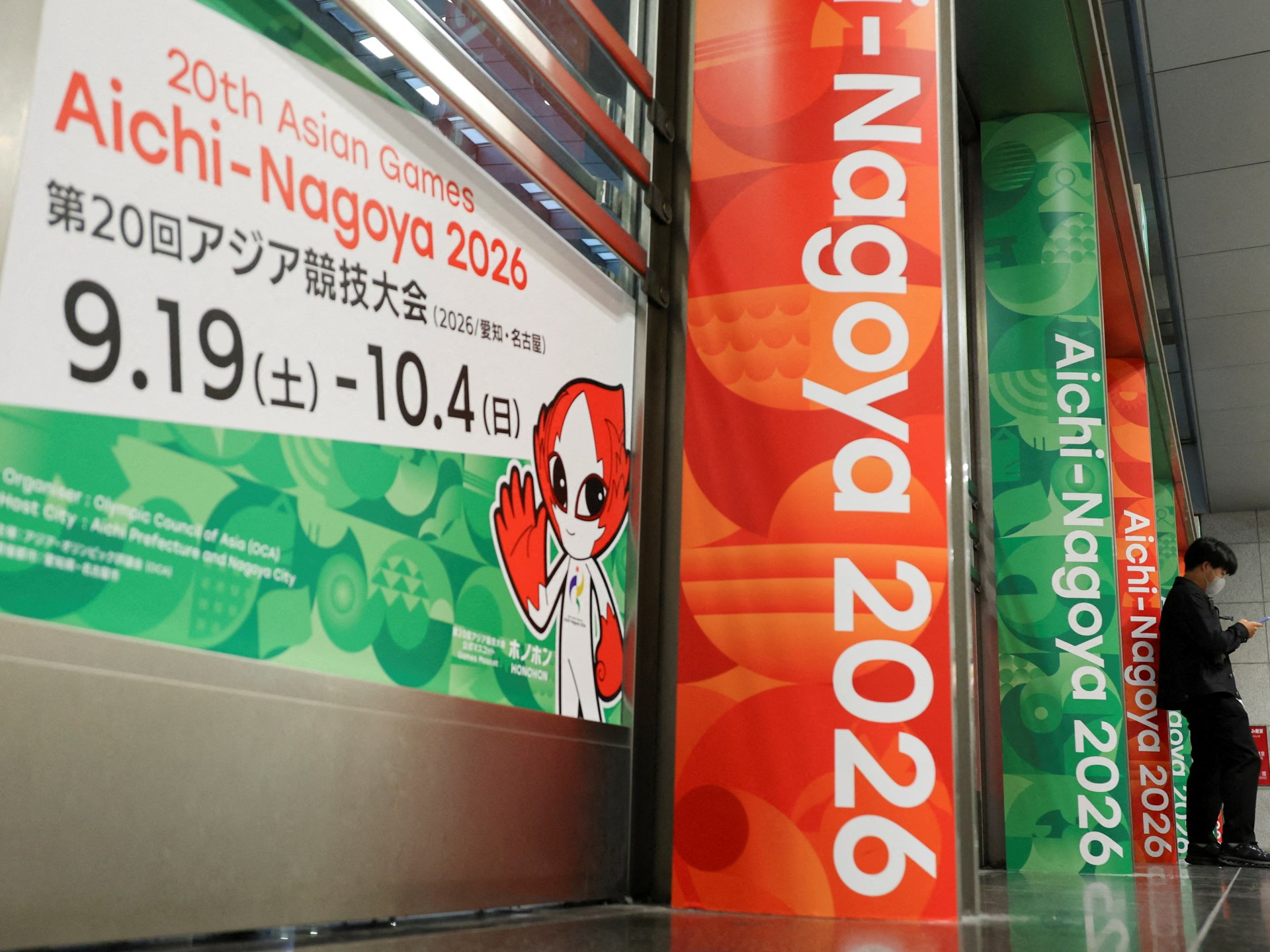
The recurring transportation failures plaguing the Asian Games have transcended routine administrative mishaps, evolving into a significant diplomatic embarrassment for host authorities. The recent incident involving the South Korean women's volleyball team—who were misdirected to an incorrect venue hours before a critical fixture—marks the latest in a series of severe logistical breakdowns. State actors across East Asia have quietly expressed growing frustration over the systemic disorganization, which calls into question the host nation's baseline administrative competence and crisis-management infrastructure. Analysts note that these multi-agency coordination failures mirror broader vulnerabilities in regional municipal planning. As diplomatic channels buzz with formal inquiries from Seoul, the incident underscores how minor operational oversights can rapidly escalate into bilateral friction points, complicating ongoing trade and security dialogues between key East Asian economies.
Global Trade & Economic Ripples
While athletic transport errors appear isolated to the sporting arena, international commodity markets and supply chain executives are drawing parallel concerns regarding systemic efficiency within the host nation's broader commercial infrastructure. High-precision manufacturing, just-in-time logistics, and complex transnational supply chains rely heavily on flawless coordination and deterministic execution. The inability of local organizing committees to manage predictable schedules has amplified investor anxieties regarding the reliability of regional transport corridors and commercial distribution networks. Furthermore, currency markets have shown minor sensitivity as foreign exchange traders re-evaluate the risk premiums associated with regional administrative instability. Insurers and maritime logistics firms are utilizing these high-profile failures to reassess risk metrics for upcoming international commercial events hosted within the region, potentially driving up operational overheads for multinational corporations operating in the territory.
Related Intelligence: Bangkok Floods Trigger Supply Chain Disruptions and Local Market Adaptation
International Reactions & Diplomatic Stances
Official responses from multilateral bodies and neighboring governments have balanced diplomatic discretion with firm demands for administrative accountability. Spokespersons for the Olympic Council of Asia have issued stern directives calling for an immediate overhaul of transportation command structures, emphasizing that international prestige and commercial sponsorship integrity depend on flawless execution. Meanwhile, market analysts and trade chambers in Seoul and Tokyo have released joint advisories urging logistics providers to audit their contingency protocols. International trade diplomats have noted that while the mishap does not directly threaten multilateral treaties, it serves as a cautionary tale regarding the degradation of public sector execution capabilities in advanced economies facing acute labor shortages and bureaucratic inertia.
Strategic Outlook & Future Scenarios
Looking ahead, the fallout from the Asian Games logistical crisis is expected to cast a long shadow over upcoming international summits and mega-events scheduled across the Indo-Pacific region. Host nations are actively reviewing their mega-project management frameworks to insulate themselves from similar public relations and operational disasters. For investors, the episode reinforces the necessity of stringent due diligence when evaluating local partnerships and municipal infrastructure dependencies. As diplomatic delegates prepare for upcoming regional trade forums, the focus will increasingly shift toward strengthening systemic resilience, ensuring that administrative bottlenecks do not compromise broader economic integration and diplomatic stability across the vital East Asian corridor.
Join Our Official WhatsApp Channel
Receive live commodity alerts, policy changes, and commercial intelligence directly on WhatsApp.