
Government Slashes Petrol Price While Raising High-Speed Diesel Rates
Pakistan revised domestic fuel rates for the next fortnight, reducing petrol prices by Rs2.93 per litre while increasing high-speed diesel by Re0.61 per litre amid shifting import parity benchmarks.
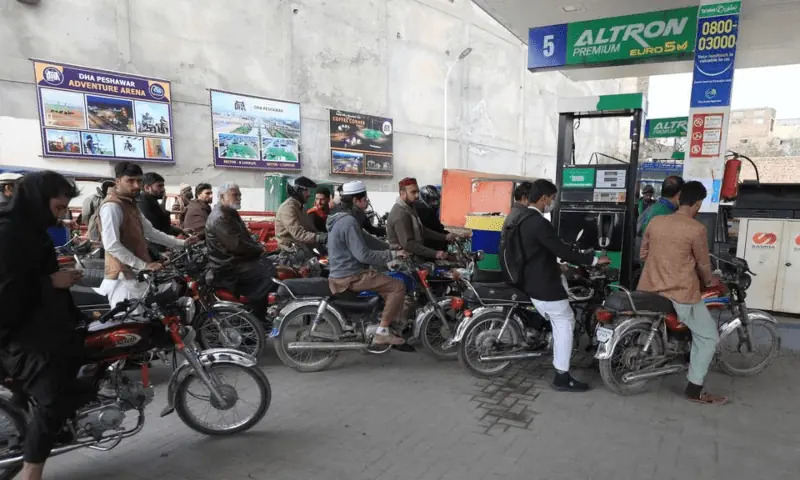
The Core Development
The federal government announced its latest fortnightly revision of petroleum product prices, reflecting changes in international benchmark costs and currency dynamics. Effective immediately, the ex-depot price of motor gasoline (petrol) has been decreased by Rs2.93 per litre, bringing relief to urban commuters and light vehicle owners. Conversely, the price of high-speed diesel (HSD)—the primary fuel powering national freight, mass transit, and heavy agricultural machinery—was revised upward by Re0.61 per litre.
The price adjustment was formalized following recommendations submitted by the Oil and Gas Regulatory Authority (OGRA) and cleared by the Ministry of Finance after consultative review with the Prime Minister. The determination incorporates import parity pricing from Pakistan State Oil (PSO), import premiums, inland freight equalization margins (IFEM), and exchange rate adjustments over the trailing two-week calculation window. The federal government maintained petroleum development levy (PDL) collections near peak allowable limits, ensuring stable non-tax revenue flows in accordance with macroeconomic commitments.
Commercial & Economic Implications
This bifurcated price movement yields contrasting outcomes across commercial and consumer sectors. The reduction in petrol pricing lowers the nominal operational cost for middle-class households, private transport owners, and two-wheeler motorcycle logistics fleets, including ride-hailing and localized courier platforms. This offers marginal disposable income breathing room across major urban centres.
However, the upward tick in high-speed diesel pricing carries structural implications for wholesale supply chains and agricultural output. Diesel remains the lifeblood of intercity logistics, heavy long-haul trucking, tractor-driven farming, and tube-well operations. Transport operators working on razor-thin operating margins frequently pass even minor diesel increases down the distribution chain, dampening the disinflationary benefit generated by the cut in petrol rates. In wholesale commodity markets and retail mandis, transport charges account for a measurable share of shelf-level perishables and dry staples, meaning wholesale distribution costs will experience minor upward pressure over the current cycle.
Related Intelligence: Government Trims Petrol Price by Rs2.93 While Diesel Edges Higher
Stakeholder Perspectives & Market Reactions
Trade bodies and commercial distribution networks responded to the notification with measured caution. Logistics associations expressed concern over the persistent elevation of diesel rates, reiterating that road freight fares cannot decline while base diesel prices face recurring upward revisions. Industrialists emphasized that export-oriented processing sectors and energy-dependent manufacturers continue to face heavy logistical overheads across port-to-factory routes.
Conversely, retail traders and urban consumer associations welcomed the downward adjustment in petrol, noting that any reduction assists in managing daily commuting expenses amid broader cost-of-living adjustments. Financial analysts observed that the state's reluctance to provide larger concessions on high-speed diesel stems from fiscal consolidation priorities. Retaining robust petroleum levy receipts remains essential for the finance ministry to meet structural revenue targets agreed upon with international multilateral lenders.
Forward Outlook & Key Watchpoints
Over the next revision cycle, fuel pricing will remain tethered to crude oil benchmarks in the Middle East and refined product premiums in Asian trading hubs. Observers are closely tracking foreign exchange stability, as even marginal depreciations in the rupee can cancel out international crude dips during fortnightly import parity reconciliations.
Market participants must also monitor government discussions regarding potential upward adjustments to statutory petroleum levy thresholds in subsequent budget rounds. For supply chain managers, bulk distributors, and retail merchants, navigating transport cost fluctuations will require dynamic freight contracting and operational efficiency improvements to preserve trading margins in the weeks ahead.
Join Our Official WhatsApp Channel
Receive live commodity alerts, policy changes, and commercial intelligence directly on WhatsApp.