
Aviation Biosecurity Fears Mount After Qantas Grounding in Europe
Qantas cancelled an ultra-long-haul flight from Rome to Perth after insect infestation complaints, underscoring widening biosecurity challenges across global travel and aviation networks.
Geopolitical & Core Developments
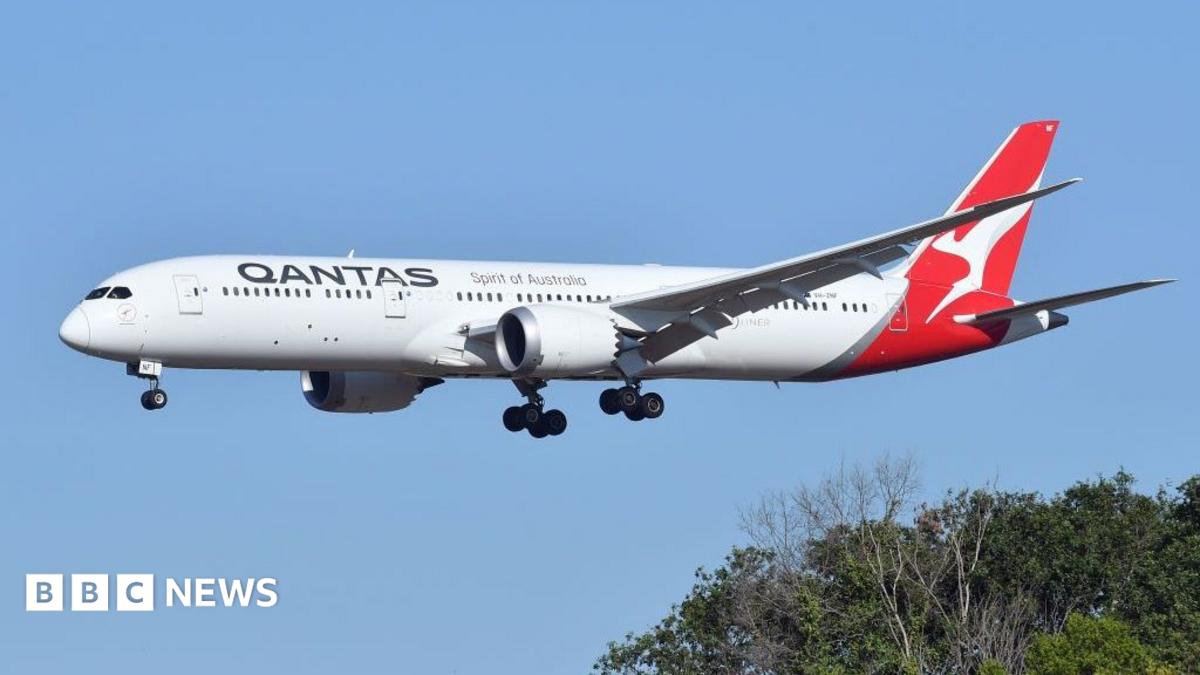
A critical long-haul flight operated by Australia's national carrier, Qantas Airways, was abruptly cancelled in Rome after inbound passengers reported severe insect bites consistent with a bedbug outbreak. The incident, involving a Boeing 787-9 Dreamliner scheduled to connect Leonardo da Vinci-Fiumicino Airport with Perth and Sydney, stranded hundreds of travelers and triggered immediate biosecurity protocols across borders.
Civil aviation corridors connecting Europe and the Asia-Pacific depend heavily on pristine operational continuity. The discovery occurred following the arrival of the aircraft into Italy, prompting ground crews and health authorities to launch emergency fumigation protocols. National biosecurity apparatuses, particularly in Australia, enforce some of the world's strictest sanitary borders to prevent non-native pests from breaching fragile domestic ecosystems and agricultural centers. The incident underscores how domestic health disruptions in European urban centers can rapidly metastasize into transcontinental aviation bottlenecks.
Global Trade & Economic Ripples
While localized to a single long-haul service, the operational grounding reflects wider cost vulnerabilities facing global commercial aviation. International carriers are operating under thin operational margins amid volatile jet fuel pricing, supply chain bottlenecks for aircraft components, and escalating labor expenditures. Unscheduled aircraft groundings incur heavy financial penalties, including passenger rerouting expenses, mandatory hotel accommodations, and specialized deep-cleaning and fumigation contracts.
Beyond direct corporate liabilities, repeated occurrences of vector-borne and parasitic disruptions threaten passenger confidence along premium tourist and business routes. Tourism corridors between Southern Europe and Australasia generate billions of dollars annually in secondary economic activity, including air freight shipments carried within widebody cargo holds. Cancellations of this nature sever urgent belly-cargo supply chains, delaying high-value, time-sensitive freight such as pharmaceuticals, luxury exports, and advanced manufacturing components.
International Reactions & Diplomatic Stances
Qantas issued an official statement confirming the precautionary withdrawal of the aircraft for comprehensive sanitation, noting that passenger safety and stringent cabin standards remain paramount. Australian transport and agricultural authorities reiterated their reliance on pre-arrival sanitary compliance, affirming that international carriers must conform strictly to the Biosecurity Act to avoid penalties upon arrival.
European aviation regulators, in coordination with public health analysts, highlighted that the event aligns with a wider resurgence of urban bedbug reports across transport nodes in major European capitals. Market analysts from leading transport consultancy groups emphasized that national carriers cannot afford reputational damage regarding hygiene, particularly on prestigious ultra-long-haul direct routes where premium-cabin yields constitute the primary source of flight profitability.
Strategic Outlook & Future Scenarios
The trajectory of global commercial aviation will increasingly intersect with rigorous international health and biosecurity monitoring. Should regional pest outbreaks continue to disrupt high-frequency international hubs, aviation alliances and civil authorities may be forced to institutionalize mandatory pre-flight cabin inspections and updated international sanitation certifications.
Looking ahead, commercial aviation operators will likely integrate automated ultraviolet and thermal cabin disinfection systems into standard turnaround protocols, accelerating capital expenditures for ground-support equipment. Bilateral air transport agreements may face additional oversight clauses from quarantine-sensitive states such as Australia and New Zealand, necessitating unified multilateral standards under the auspices of the International Civil Aviation Organization to prevent sporadic health incidents from compounding into persistent logistical disruptions across intercontinental air bridges.
Join Our Official WhatsApp Channel
Receive live commodity alerts, policy changes, and commercial intelligence directly on WhatsApp.