
Aviation Security Alert Diverts Tel Aviv Flight Amid Middle East Tensions
An Austrian Airlines flight bound for Vienna from Tel Aviv made an emergency landing in Sofia due to an airborne threat, highlighting intensified regional security concerns.
Geopolitical & Core Developments
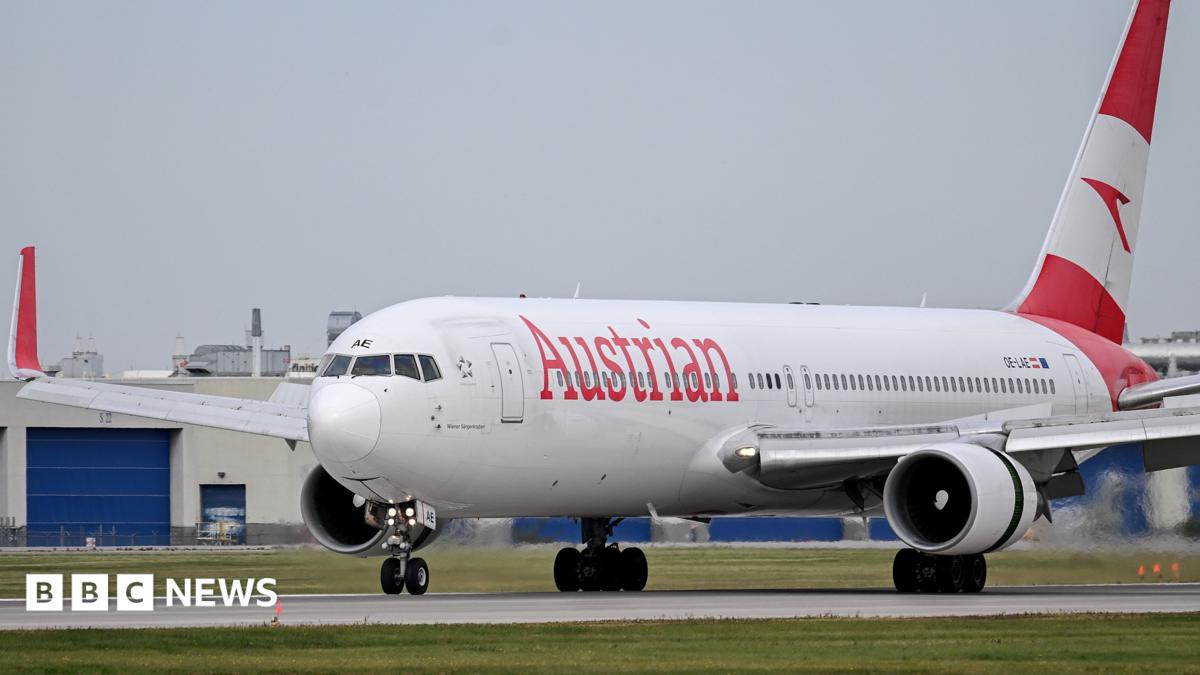
A scheduled commercial flight en route from Tel Aviv's Ben Gurion Airport to Vienna International Airport was forced to declare an operational diversion following an unverified security threat transmitted during transit. The aircraft, an Airbus operated by Austrian Airlines, touched down without incident at Sofia Airport in Bulgaria under coordinated emergency protocols. Bulgarian authorities confirmed that specialized counterterrorism teams, aviation security personnel, and bomb disposal units immediately established a perimeter around the aircraft, safely evacuating all passengers and crew members to a secured terminal facility.
The diversion occurs against the backdrop of elevated geopolitical friction across the Middle East and surrounding transit corridors. Commercial carriers maintaining operations in and out of Israeli airspace operate under rigorous threat assessment mechanisms, coordinating closely with state intelligence apparatuses and civil aviation authorities. Bulgarian transport ministry officials indicated that the precautionary diversion was initiated in line with international aviation safety mandates after air traffic control received warning indicators necessitating an immediate landing at the nearest designated international facility. While technical evaluations and security screenings yielded no initial evidence of explosive devices, the event highlights the extreme operational sensitivity surrounding international transit departing Levant hubs.
Global Trade & Economic Ripples
While localized in scope, emergency diversions in critical international air transit zones produce compound disruptions across global supply chains and logistical operations. The Eastern Mediterranean and Balkan air corridors represent pivotal conduits connecting European financial centers with Middle Eastern markets. Heightened risk perceptions translate directly into escalating commercial aviation overheads, notably surging hull and war-risk insurance premiums for commercial carriers servicing Tel Aviv and neighboring regional airports. When routes are disrupted or subject to diversion risks, airlines absorb severe operational penalties, including elevated fuel burn from rerouting, extended crew duty cycles, and unscheduled handling expenses.
Furthermore, high-value, time-critical air freight—including specialized electronics, pharmaceuticals, and perishable goods frequently carried in commercial aircraft bellies—faces downstream delivery bottlenecks. A persistent pattern of air security disruptions risks forcing international carriers to reduce service frequencies or suspend flights altogether, rerouting cargo through already congested alternative hubs in the Gulf or Southern Europe. This dynamic exerts upward pressure on air freight rates, compounding baseline transport costs for international trade operators dependent on synchronized supply chains.
Related Intelligence: Austrian Airlines Diverts to Sofia Following Bomb Threat on Tel Aviv Flight
International Reactions & Diplomatic Stances
Official responses following the emergency landing centered on procedural discipline and regional security coordination. Bulgarian aviation authorities praised the rapid execution of multilateral crisis protocols between Israeli, Bulgarian, and Austrian air traffic control agencies. Representatives from the carrier emphasized that the safety and security of passengers remain paramount, affirming full cooperation with European civil aviation regulators and intelligence services conducting the forensic review.
European security analysts observed that the episode reflects broader systemic anxieties regarding civilian infrastructure amid active regional military conflicts. In Brussels, aviation watchdogs reiterated guidance issued by the European Union Aviation Safety Agency (EASA), which mandates constant surveillance of flight parameters within Eastern Mediterranean airspace. Regional defense analysts noted that civilian airlines remain vulnerable targets for false-flag disruption operations and digital hoaxes designed to destabilize civil transport links and inflate operational costs for regional carriers.
Strategic Outlook & Future Scenarios
The incident in Bulgarian airspace serves as a bellwether for operational risks confronting commercial aviation through the remainder of the year. If threat alerts multiply, international carriers that have cautiously restored service to Israel could face shareholder and union pressure to curtail routes once again, mirroring the widespread route cancellations witnessed during earlier escalations. Such moves would further isolate regional transit and drive high-end commercial travel into dedicated charter services.
In the medium term, civil aviation authorities across Europe and the Middle East are expected to tighten verification protocols for in-flight threat intelligence, seeking to balance proactive safety contingencies against the operational costs of unwarranted diversions. Collaborative intelligence sharing via international civil aviation bodies will be essential to mitigating false alerts while maintaining robust protection for critical air corridors linking European economies with Middle Eastern trade partners.
Join Our Official WhatsApp Channel
Receive live commodity alerts, policy changes, and commercial intelligence directly on WhatsApp.