
Middle East Tensions Mount as Iran Accuses Israel of Escalation Drive
Tehran has accused Israeli Prime Minister Benjamin Netanyahu of pursuing wider regional conflict to secure political longevity, as renewed fighting in Yemen sharpens risks for global energy supply chains and maritime transport.
Geopolitical & Core Developments
Regional friction reached another critical juncture this week following sharp statements delivered by Iranian Foreign Minister Abbas Araghchi, who asserted that Israeli Prime Minister Benjamin Netanyahu is deliberately engineering broader military confrontations across the Middle East to fortify his domestic political standing ahead of upcoming electoral contests. Speaking during a diplomatic press conference in Tehran, Araghchi warned that Israel is actively testing regional defensive red lines, leaning on sustained military operations across Gaza, southern Lebanon, and targeted strikes against regional infrastructure.
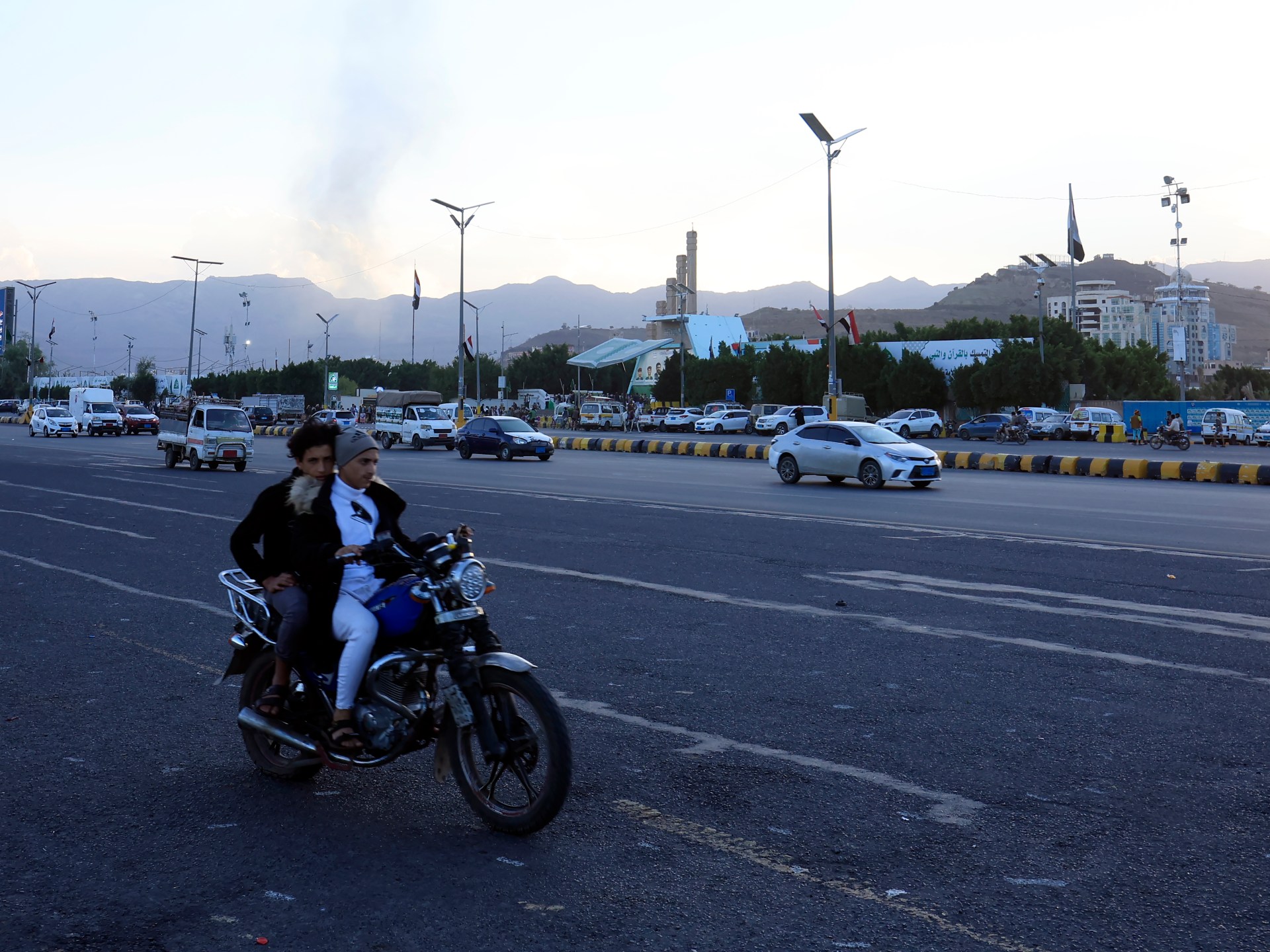
Simultaneously, the volatile Yemeni front has flared once more, with renewed military engagements involving Ansar Allah forces, international coalition patrols, and localized factions. The resurgence of hostilities in and around the Bab al-Mandeb strait underlines the persistent fragility of Middle Eastern security architectures. Tehran's security establishment continues to maintain that foreign military deployments have only accelerated the spiral of destabilization, warning that retaliatory measures remain fully within the purview of international law if sovereign territory or allied regional infrastructure faces pre-emptive interdiction.
Global Trade & Economic Ripples
The renewed rhetoric and heightened military readiness across multiple regional axes have delivered immediate repercussions into international trade and financial markets. Brent crude futures and West Texas Intermediate experienced notable intraday upward revisions as commercial commodity desks factored in potential supply bottlenecks originating from the Persian Gulf. Sustained threats to maritime chokepoints—particularly the Strait of Hormuz and the southern Red Sea—continue to force major container shipping conglomerates and bulk oil carriers onto costly diversion routes around the Cape of Good Hope.
These protracted transit journeys have substantially increased marine fuel consumption, elevated bunker surcharges, and distorted international freight schedules. For global supply chains, particularly those connecting East Asia and Europe, longer voyage times are elevating intermediate input costs and tightening maritime insurance conditions. War-risk premiums for merchant vessels navigating the Red Sea and adjacent waters have spiked once again, creating compounding cost pressures across global commodity distribution, fertilizer markets, and refined petroleum product flows.
Related Intelligence: Alberta Secession Debate Tests Canadian Unity and Energy Security
International Reactions & Diplomatic Stances
The escalation has triggered widespread international diplomatic engagement. United Nations officials expressed deep alarm over the prospects of an uncontrolled regional conflagration, urging all belligerents to demonstrate immediate restraint and prioritize diplomatic channels. The European Union reiterated calls for de-escalation, underscoring that broader conflict risks catastrophic humanitarian consequences and severe disruptions to the international rules-based trading framework.
In Washington, defense officials confirmed continuous defensive coordination with regional partners, while insisting that diplomatic pathways remain preferable to avert full-scale hostilities. Meanwhile, major Asian energy importers, including China and India, have appealed for the preservation of unhindered maritime navigation, noting that energy security in the Indo-Pacific corridor relies heavily on uninterrupted flows through Middle Eastern waters. Multilateral institutions have cautioned that sustained security premiums in global shipping will disproportionately affect developing economies facing high domestic inflation.
Strategic Outlook & Future Scenarios
The strategic outlook hinges on whether military engagements remain confined to asymmetric, indirect skirmishes or spill over into direct state-to-state confrontation. A pivotal indicator will be the political trajectory within Israel itself, where coalition stability and upcoming legislative timelines will heavily influence military posture and regional doctrine.
In the coming weeks, upcoming United Nations Security Council briefings and regional consultative summits across the Gulf Cooperation Council are expected to address maritime safety and diplomatic off-ramps. However, should diplomatic efforts fail to establish credible deterrence frameworks, commercial operators must prepare for prolonged volatility. Persistent low-intensity conflict, accompanied by targeted drone and missile exchanges, threatens to institutionalize elevated freight costs and keep global hydrocarbon markets exposed to recurring supply-side shocks throughout the fiscal quarters ahead.
Join Our Official WhatsApp Channel
Receive live commodity alerts, policy changes, and commercial intelligence directly on WhatsApp.