
Cuba's Economic Vulnerability Threatens Decades of Global Geopolitical Influence
Cuba's worsening economic crisis threatens its historic diplomatic and strategic influence, raising critical questions for Caribbean stability and global multipolar alignments.
Geopolitical & Core Developments
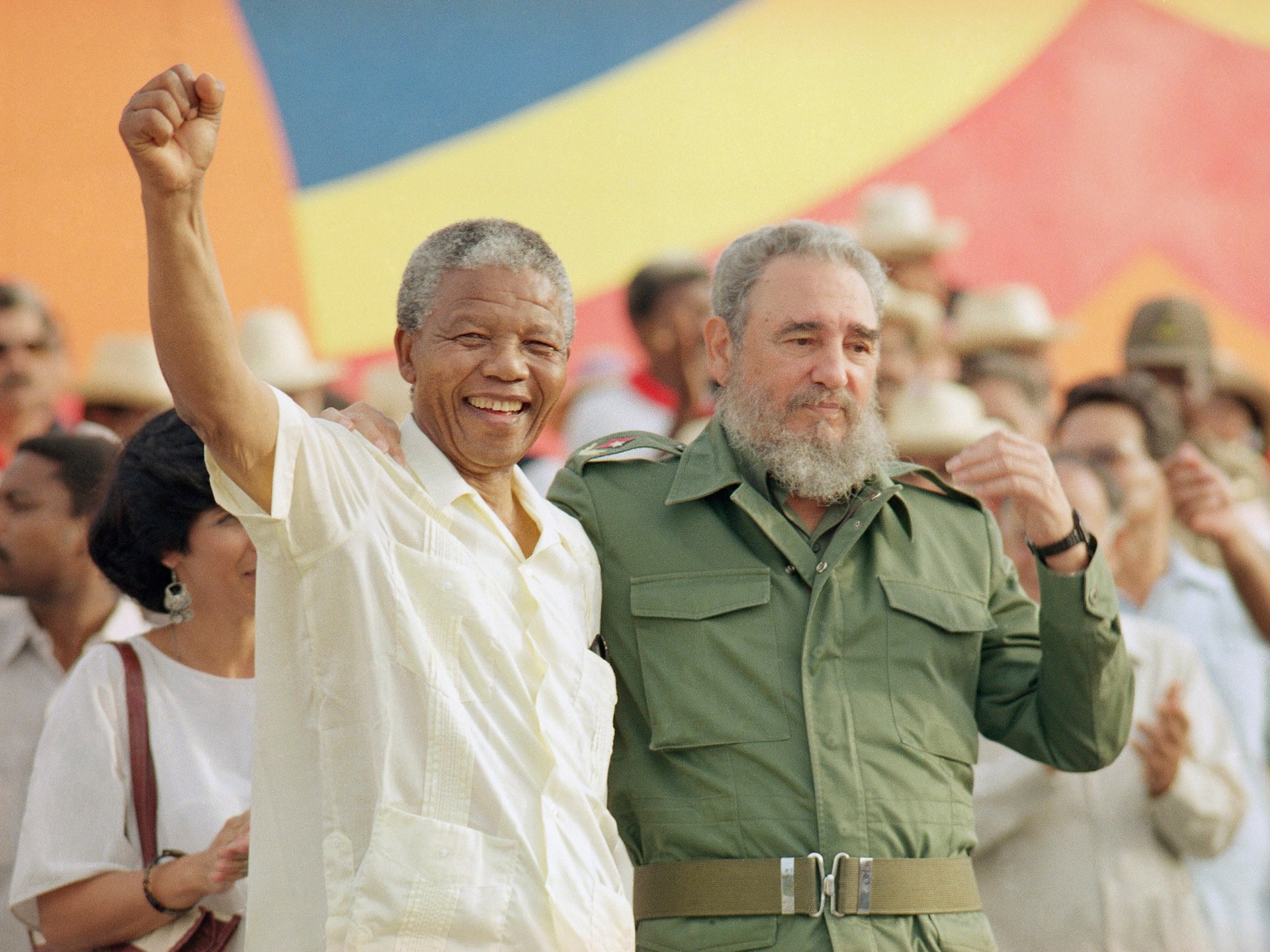
For more than six decades, the Republic of Cuba has maintained an international diplomatic footprint drastically disproportionate to its geographic and economic size. From Cold War interventions across sub-Saharan Africa to hosting historic peace negotiations between the Colombian government and FARC guerrillas, Havana positioned itself as an essential pivot of Non-Aligned diplomacy and southern solidarity. However, acute macroeconomic degradation, widespread infrastructural exhaustion, and severe domestic energy deficits have brought the post-revolutionary state to an existential crossroads.
The compounding impact of sustained United States embargo measures, structural domestic inefficiencies, and reduced subsidized oil shipments from Venezuela has crippled domestic productivity. Nationwide blackouts and critical shortages of basic food staples have intensified domestic unrest, weakening Havana's capacity to maintain its international outreach programs. Historically, Cuba leveraged its medical diplomacy—deploying tens of thousands of healthcare workers across Latin America, Africa, and the Pacific—as both a premier source of foreign currency and a key instrument of soft power. The degradation of this apparatus signals a potential retrenchment that could fundamentally alter Caribbean and Latin American geopolitical dynamics.
Global Trade & Economic Ripples
The economic shocks emanating from Havana carry direct consequences for Caribbean commerce and regional energy flows. Cuba's daily oil consumption, estimated between 120,000 and 130,000 barrels per day, relies heavily on external shipments from Venezuela, Mexico, and Russia. Disruptions or structural defaults on these transfers force regional suppliers to recalibrate maritime delivery schedules across the Caribbean Sea and the Gulf of Mexico.
Furthermore, Cuba's nickel and cobalt mining operations, centered primarily in the Moa region through joint ventures with international firms such as Canada's Sherritt International, face chronic operational bottlenecks due to electricity shortages. As critical raw materials for lithium-ion battery production and specialized metallurgy, fluctuations in Cuban extraction capacity introduce friction into refined nickel supply chains. Tourism revenue, historically the primary hard-currency driver alongside remittances, remains markedly below pre-2020 baselines, suppressing regional hospitality supply chains and maritime freight traffic centered around the Port of Mariel Special Development Zone.
Related Intelligence: Spanish Football Titans Drive Multibillion-Dollar Soft Power Economy Ahead of El Clasico
International Reactions & Diplomatic Stances
Multilateral bodies have raised increasing concerns over the humanitarian and institutional trajectory of the island. United Nations Secretary-General António Guterres and the UN General Assembly have repeatedly voted overwhelmingly against the unilateral US trade embargo, highlighting the disproportionate economic toll on ordinary citizens. UN agencies have emphasized that restricted access to international financial mechanisms directly impedes food security and the modernization of public utilities.
In Washington, the official stance remains entrenched, with senior officials reaffirming the preservation of the State Sponsor of Terrorism designation and targeted sanctions aimed at state-controlled enterprises. Conversely, Beijing and Moscow have maintained steady diplomatic backing. Chinese Foreign Ministry officials have reiterated calls for the immediate cessation of unilateral financial blockades, providing targeted debt relief and technological support. Meanwhile, Russian state delegations have pursued agricultural and crude supply agreements, seeking to preserve Havana as a strategic maritime partner in the Western Hemisphere.
Strategic Outlook & Future Scenarios
The medium-term trajectory of Cuba will hinge on its capacity to enact coherent economic decentralization without triggering institutional collapse. Analysts outline two plausible scenarios: a state-managed transition toward controlled market mechanisms modeled after the economic paradigms of Vietnam or China, or prolonged infrastructural stagnation leading to accelerated outward migration pressures across the Florida Straits and Central American transit routes.
If current bilateral credit lines from partners such as Mexico and Russia fail to stabilize Havana's electrical grid, regional migration patterns will place mounting domestic political pressure on neighboring transit nations and the United States. Furthermore, any systemic restructuring of Cuba's external commitments could create a strategic vacuum in the Caribbean basin, prompting external powers to aggressively expand their diplomatic, maritime, and commercial footprint across regional transit corridors.
Join Our Official WhatsApp Channel
Receive live commodity alerts, policy changes, and commercial intelligence directly on WhatsApp.