
Category 4 Hurricane Simon Threatens Mexican Pacific Coast and Energy Infrastructure
Category 4 Hurricane Simon bears down on Mexico's Jalisco coast, prompting emergency evacuations and raising concerns for regional energy infrastructure and international supply chains.
Geopolitical & Core Developments
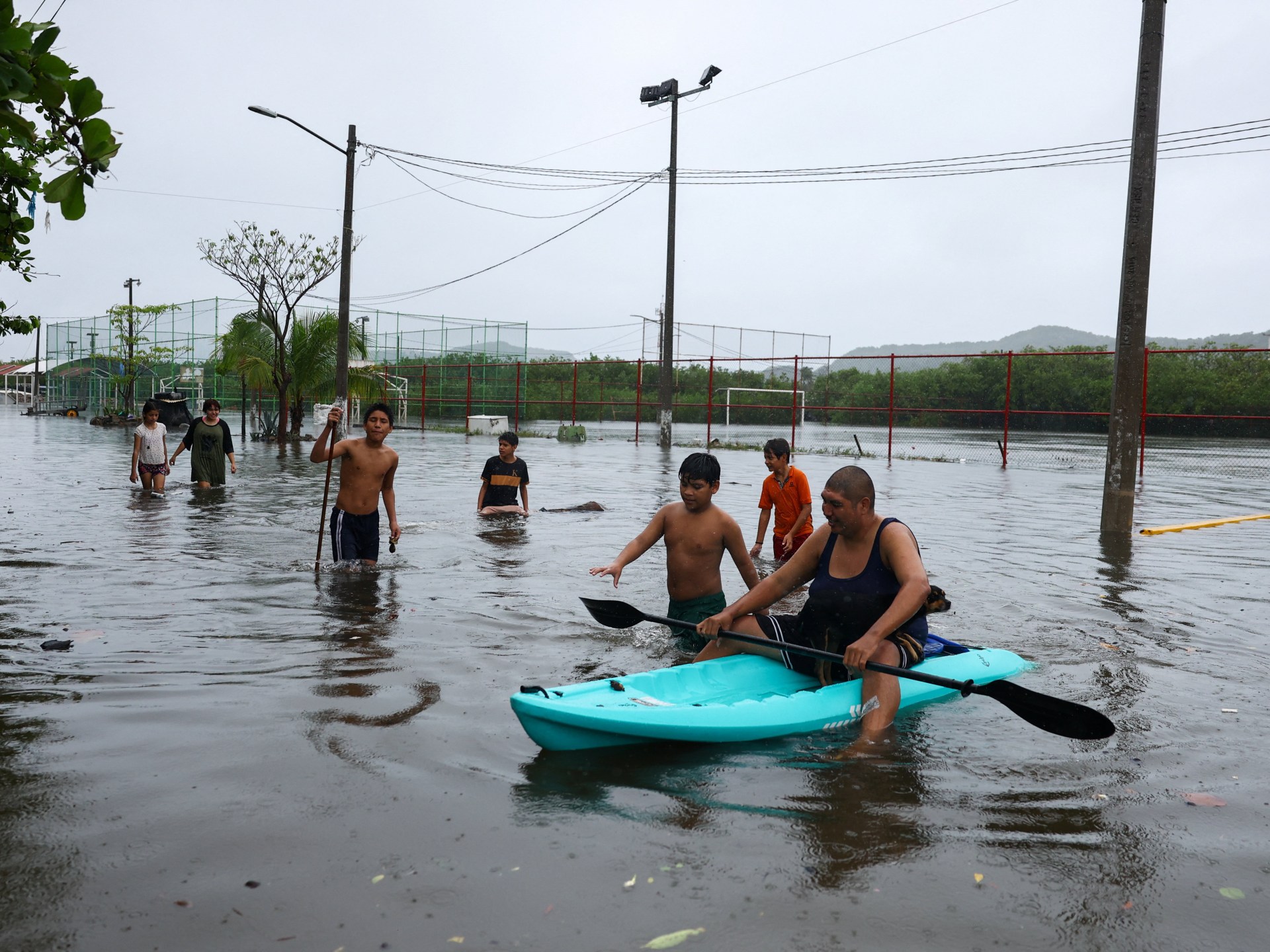
Mexican authorities have issued urgent shelter directives and initiated mandatory evacuations across coastal zones as Hurricane Simon rapidly intensifies into a formidable Category 4 storm off the western state of Jalisco. The national meteorological service reports that the eye of the hurricane is churning dangerously close to the municipality of Cabo Corrientes, bringing sustained winds exceeding 215 kilometers per hour (135 miles per hour) alongside torrential rainfall and destructive storm surges. Federal civil protection agencies, in coordination with the Mexican Navy, have deployed emergency response teams to vulnerable fishing villages and low-lying residential sectors. President Claudia Sheinbaum's administration has activated national emergency protocols, mobilizing the armed forces under Plan DN-III-E to secure critical infrastructure, establish temporary shelters, and manage logistical support for displaced populations. Meteorological models indicate that Simon's trajectory threatens densely populated tourist corridors and crucial transportation links along the Pacific seaboard, raising fears of severe infrastructural damage and prolonged utility outages.
Global Trade & Economic Ripples
Beyond the immediate humanitarian crisis, the intensification of Hurricane Simon poses significant risks to global commodity markets and maritime trade routes in the eastern Pacific. The storm's path intersects with critical energy logistics corridors, including maritime transit lanes servicing major Mexican ports such as Manzanillo and Puerto Vallarta. Although Mexico's primary offshore oil production facilities are concentrated in the Gulf of Campeche on the Atlantic side, the Pacific coast plays a vital role in domestic fuel distribution and the import of refined petroleum products, liquefied natural gas (LNG), and bulk agricultural commodities. Temporary port closures and shipping suspensions threaten to create logistical bottlenecks, impacting supply chains for key industrial inputs and grain shipments destined for international markets. Furthermore, regional agricultural sectors—particularly tropical fruit and coffee production in Jalisco and neighboring states—face devastating crop losses, which could exert upward pressure on international soft commodity pricing and amplify inflationary pressures across North American supply networks.
Related Intelligence: Riyadh Airport Strike Escalates Gulf Crisis and Threatens Trade Routes
International Reactions & Diplomatic Stances
International bodies and neighboring governments have expressed profound concern over the escalating severity of Hurricane Simon, offering humanitarian assistance and monitoring the storm's progression closely. The United Nations Office for the Coordination of Humanitarian Affairs (OCHA) stated that it remains in contact with Mexican civil protection authorities to evaluate potential requirements for international relief mobilization. Market analysts in New York and London have initiated comprehensive risk assessments regarding the storm's potential economic fallout, emphasizing the vulnerability of regional supply chains to extreme weather events amplified by shifting climatic patterns. Energy traders are closely tracking refining margins and fuel inventory levels across North America, anticipating potential localized shortages should distribution networks remain paralyzed in the aftermath of the landfall.
Strategic Outlook & Future Scenarios
As Hurricane Simon makes its anticipated approach toward the coastline, emergency planners and economic strategists are modeling various recovery scenarios over the medium term. The primary operational focus remains mitigating loss of life and stabilizing critical municipal infrastructure. However, the broader strategic outlook underscores the escalating frequency and intensity of extreme meteorological events along critical global trade corridors. Governments and multinational corporations are increasingly forced to factor severe climate risks into long-term infrastructure investments, supply chain diversification strategies, and emergency preparedness frameworks. The coming days will be critical in determining the extent of physical devastation and the speed at which commercial shipping lanes and regional energy networks can safely resume operations.
Join Our Official WhatsApp Channel
Receive live commodity alerts, policy changes, and commercial intelligence directly on WhatsApp.