
Karachi Imposes Section 144 Ban on Public Gatherings Amid Economic Concerns
Karachi authorities have enforced Section 144 across the metropolis until October 20, banning gatherings of over five people to safeguard public order and commercial supply chains.
The Core Development
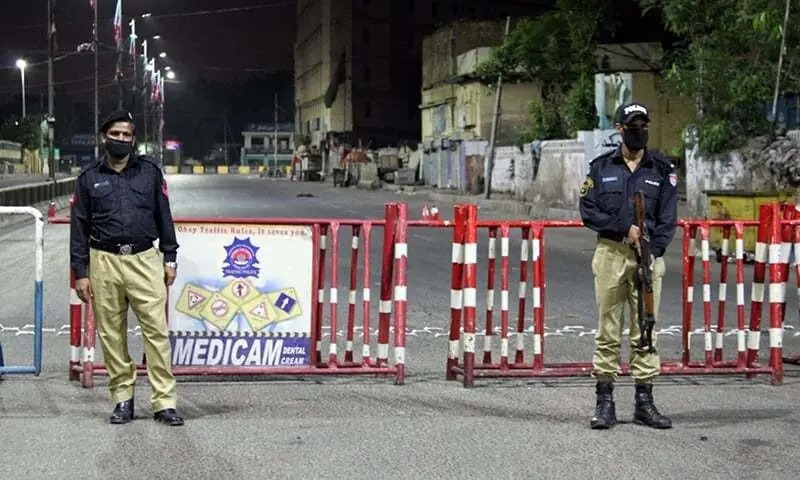
In an administrative move aimed at stabilizing civil order and maintaining urban mobility, the Commissioner of Karachi, Syed Hassan Naqvi, formally imposed Section 144 of the Code of Criminal Procedure (CrPC) across the metropolis. The restrictive order, which takes immediate effect and remains active until October 20, strictly prohibits public gatherings of more than five individuals, rallies, processions, sit-ins, and the open display of weapons.
The notification was issued following intelligence and law enforcement reports indicating that frequent demonstrations and protests on major arterial roads, junctions, and roundabouts were severely crippling traffic flow. According to administrative briefings, these unauthorized assemblies have systematically paralyzed key transit corridors, creating gridlock that impedes emergency medical services, restricts hospital access, and disrupts the daily routines of millions of residents. The legal instrument of Section 144 grants district administrations sweeping preventative powers to interdict activities deemed capable of triggering public unrest or threatening state security.
Commercial & Economic Implications
For Kalyar Traders and the broader business community in Pakistan's financial hub, the lockdown of major transit routes carries immediate economic repercussions. Karachi serves as the primary commercial artery and port gateway for the nation, handling the bulk of imports, exports, and domestic wholesale distribution. Persistent street protests and subsequent road closures directly fracture fragile supply chains, delaying the transit of raw materials to industrial zones and finished goods to retail markets.
Retail trade and wholesale distribution networks in commercial centers such as Saddar, Jodia Bazaar, and Tariq Road are particularly vulnerable to footfall reductions caused by civil disruptions. When major intersections are blockaded, consumer mobility plummets, causing immediate contractions in daily retail turnover. Furthermore, logistical delays force transport operators to incur higher fuel and operational costs, inflationary pressures that ultimately trickle down to end-consumers already grappling with high inflation. The enforcement of Section 144 is therefore viewed by economic analysts as a critical, albeit heavy-handed, intervention to safeguard commercial continuity.
Related Intelligence: Nepal Flash Floods Trigger Humanitarian Crisis and Disrupt Supply Chains
Stakeholder Perspectives & Market Reactions
Reaction from trader associations and business councils has been mixed, reflecting a delicate balance between the imperative for commercial stability and concerns over civil liberties. Representatives from major Karachi market associations acknowledged that continuous street agitation inflicts heavy losses on merchants, yet they cautioned that administrative bans must be implemented transparently to avoid infringing upon legitimate grievances.
Legal experts note that while Section 144 provides a lawful framework for maintaining public order during heightened security phases, its prolonged application can suppress fundamental democratic expressions. Meanwhile, municipal authorities and law enforcement agencies have defended the policy, emphasizing that safeguarding public thoroughfares and ensuring uninterrupted access for emergency services override competing claims to public space during the notified period.
Forward Outlook & Key Watchpoints
As the October 20 deadline approaches, federal and provincial intelligence agencies will closely monitor compliance across sensitive districts of Karachi. Key watchpoints for the business community include the potential for localized defiance, the responsiveness of municipal traffic management systems, and the strictness of police enforcement at critical commercial junctions.
Should the ban successfully suppress unauthorized demonstrations without escalating into wider confrontations, commerce and retail activity are expected to normalize along primary distribution routes. However, if political tensions persist, authorities may face mounting pressure to extend the restrictive measures, forcing businesses to adapt to prolonged operational uncertainty in Pakistan's premier economic center.
Join Our Official WhatsApp Channel
Receive live commodity alerts, policy changes, and commercial intelligence directly on WhatsApp.