
Indian Electoral Protests Trigger Market Caution and Political Volatility
Renewed political unrest across India's primary financial and political hubs raises regulatory uncertainty for international investors and commodity markets.
Geopolitical & Core Developments
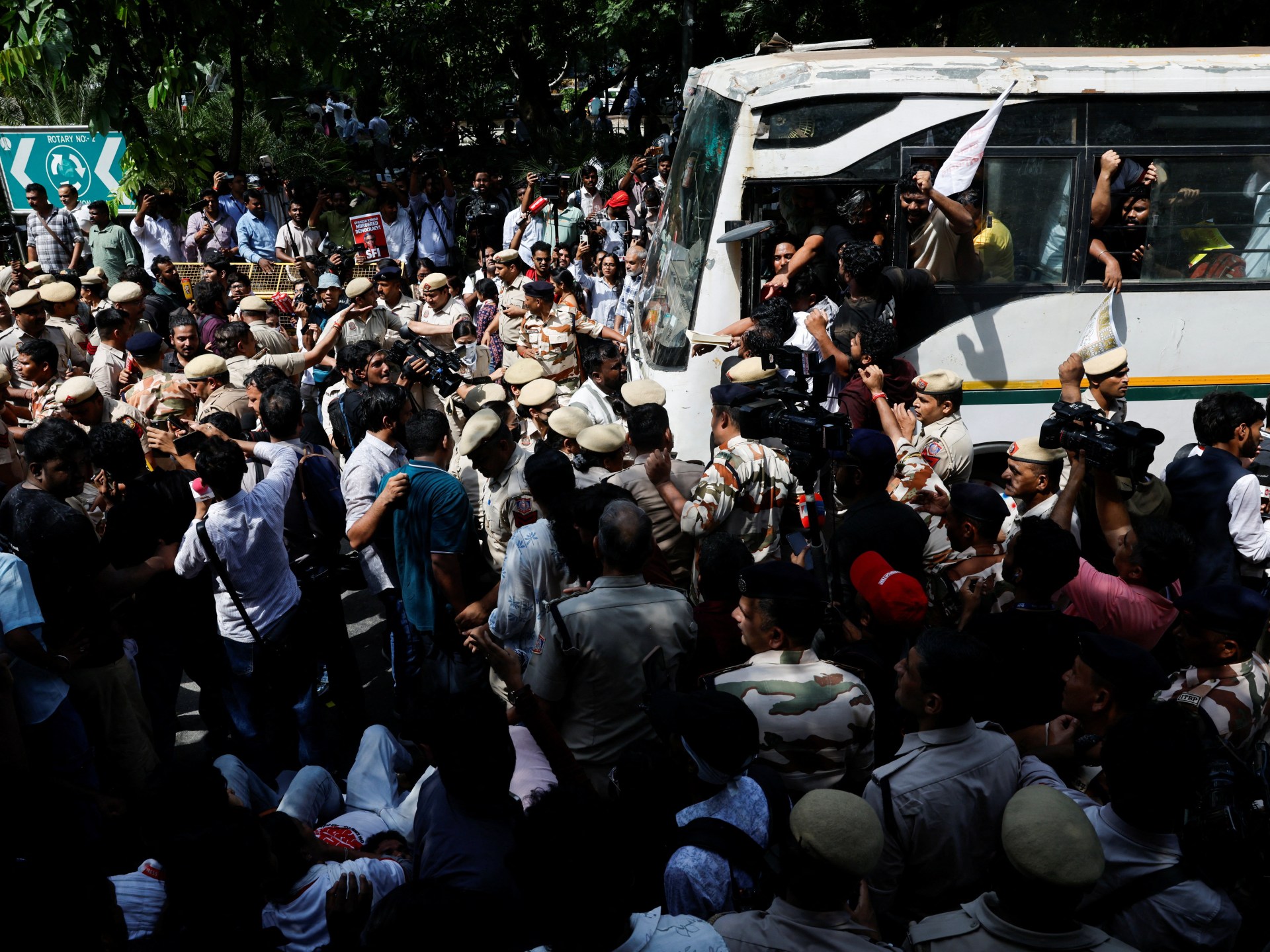
A fresh wave of political turbulence has gripped the world's largest democracy as coordinated demonstrations erupt across Mumbai and New Delhi. Protest organizers, utilizing a decentralized and elusive operational framework they have termed the cockroach movement, have successfully bypassed heavy police cordons to demand the immediate resignation of the nation's Chief Election Commission chief. The demonstrations reflect deep-seated public anxieties regarding the integrity of upcoming electoral processes and the autonomy of key democratic institutions. State authorities have responded with a heavy clampdown, deploying rapid action forces and imposing temporary transit restrictions in critical commercial zones to prevent large-scale assembly.
The genesis of this unrest lies in mounting allegations of institutional bias and opaque administrative procedures within the electoral apparatus. Opposition factions and civil society groups argue that the erosion of independent oversight directly threatens the democratic fabric of the state, potentially destabilizing the broader South Asian geopolitical landscape. As state security forces escalate preventative detentions and enforce strict curfews in localized districts, the standoff has transformed into a high-stakes test of governance, pitting civic mobilization against centralized state control.
Global Trade & Economic Ripples
While the protests are ostensibly political, global commodity markets and international financial institutions are closely monitoring the unfolding situation for potential spillover effects. India remains a linchpin of global supply chains, energy consumption, and capital flows. Any sustained disruption to commercial activity in core economic hubs like Mumbai threatens domestic consumer confidence and foreign direct investment inflows. Currency markets have registered mild volatility, with the Indian rupee experiencing marginal downward pressure as foreign portfolio investors re-evaluate domestic risk premiums.
Furthermore, prolonged civil unrest risks complicating regulatory approvals for major infrastructure projects and international trade agreements currently under negotiation. Commodity traders dealing in agricultural goods, metals, and energy futures are factoring in potential logistical bottlenecks if transportation networks within major metropolitan centers face recurring blockades. While immediate physical supply chains remain operational, multinational corporations with significant operational exposure to the subcontinent are activating contingency protocols to safeguard personnel and assets.
Related Intelligence: French School Closures Spark Market And Trade Anxiety
International Reactions & Diplomatic Stances
International bodies and foreign ministries have begun issuing cautious advisories regarding the domestic developments. Western trade partners, while emphasizing the importance of upholding democratic norms and the right to peaceful assembly, have characterized the situation as an internal sovereign matter. However, multilateral human rights organizations have voiced concern over the heavy-handed state response and the suppression of dissenting voices.
Global market analysts from major financial institutions note that international investors are increasingly sensitive to political risk in emerging markets. Economic think tanks in London and New York suggest that prolonged institutional friction in India could temporarily temper foreign capital deployment, particularly in technology and manufacturing sectors dependent on predictable regulatory environments. Diplomatic channels remain open, but foreign capitals are adopting a wait-and-see approach as the legal and political battles intensify.
Strategic Outlook & Future Scenarios
Looking ahead, the trajectory of the protests will depend heavily on the judiciary's willingness to intervene and the government's openness to administrative reform. If state authorities maintain a zero-tolerance policy, the decentralized nature of the cockroach movement suggests that sporadic, high-visibility disruptions could persist, keeping security forces on high alert.
Upcoming legislative sessions and upcoming state-level electoral milestones will serve as critical pressure points. Should political tensions escalate further, the resulting domestic distraction could hinder New Delhi's proactive engagement in regional multilateral forums and trade negotiations. Investors and geopolitical strategists will continue to track institutional stability indicators, recognizing that the health of India's democratic framework remains a foundational pillar for broader Indo-Pacific economic and strategic equilibrium.
Join Our Official WhatsApp Channel
Receive live commodity alerts, policy changes, and commercial intelligence directly on WhatsApp.