
Mali Marks 66th Independence Anniversary Amid Deepening Security and Trade Crisis
Mali marks its 66th independence anniversary as escalating security threats disrupt critical supply routes, posing severe risks to regional trade and stability.
Geopolitical & Core Developments
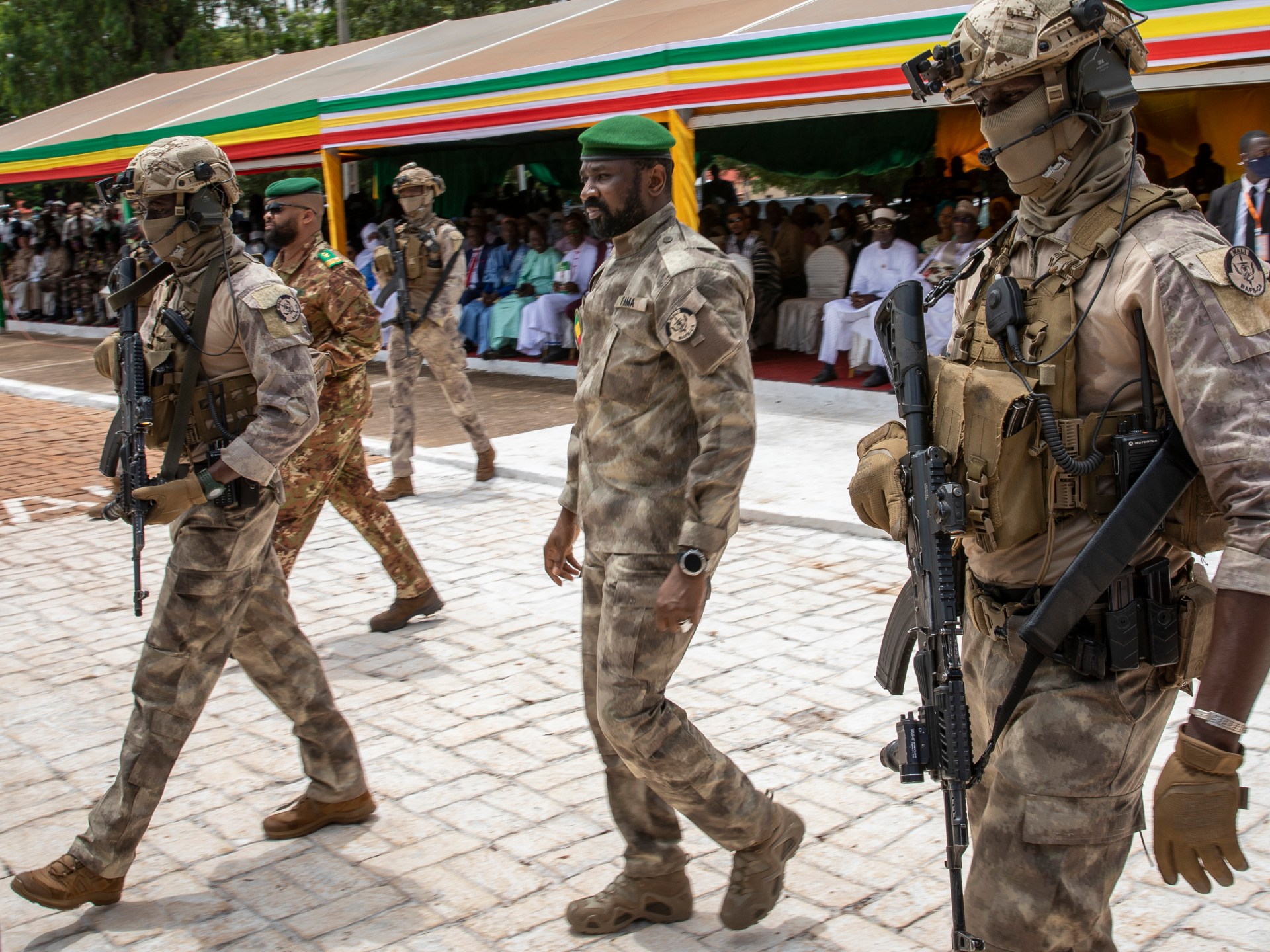
Mali marked its 66th independence anniversary under the shadow of an intensifying security crisis that continues to test the resilience of the central government in Bamako. As state authorities struggle to maintain territorial integrity, insurgent coalitions and armed groups have systematically expanded their operational reach across northern and central sectors. The deterioration of security along major arterial routes has severely hampered government administration, limiting state reach and leaving vast tracts of land outside effective central control. Strategic military posts face persistent asymmetric threats, forcing a reallocation of national resources toward counter-insurgency operations at the expense of infrastructure development and public services.
Global Trade & Economic Ripples
The compounding security breakdown has triggered acute vulnerabilities in domestic and regional commerce. Mali serves as a pivotal landlocked transit hub within West Africa, and the disruption of key supply corridors has heavily impacted the physical movement of critical goods, including staple foods, fuel, and industrial inputs. Freight operators face prohibitive insurance premiums and high security risks along major transit arteries connecting Bamako to coastal ports. Furthermore, the instability threatens artisanal and industrial gold mining operations, a cornerstone of Mali's export economy. Any sustained contraction in gold output directly reverberates through international precious metals markets and strains the country's foreign exchange reserves, exacerbating inflationary pressures and currency devaluation risks within the West African Economic and Monetary Union.
Related Intelligence: Gambian Military Trial Tests West African Stability and Trade Confidence
International Reactions & Diplomatic Stances
Regional and international bodies have voiced mounting alarm over the protracted crisis. The United Nations and the Economic Community of West African States have repeatedly called for renewed diplomatic engagement and adherence to stabilization frameworks, warning that the security vacuum creates a safe haven for transnational extremist networks. Western and regional diplomats emphasize that a purely military approach is insufficient to resolve structural grievances. Meanwhile, international commodity traders and credit rating agencies maintain a cautious outlook, adjusting risk assessments for foreign investments across the wider Sahelian corridor as governance challenges compound operational uncertainties for multinational corporations.
Strategic Outlook & Future Scenarios
Looking ahead, the trajectory of Mali's security and economic landscape remains precariously balanced. Without a comprehensive strategy to secure vital trade arteries and restore administrative capacity, the central government risks further territorial erosion. Upcoming regional diplomatic summits will test the willingness of neighboring states and multilateral institutions to forge unified security pacts and economic support mechanisms. Analysts warn that failure to stabilize key supply routes could lead to localized humanitarian emergencies and accelerate migratory pressures northward toward the Mediterranean, cementing the Sahel as a persistent flashpoint in global geopolitics and trade security.
Join Our Official WhatsApp Channel
Receive live commodity alerts, policy changes, and commercial intelligence directly on WhatsApp.