
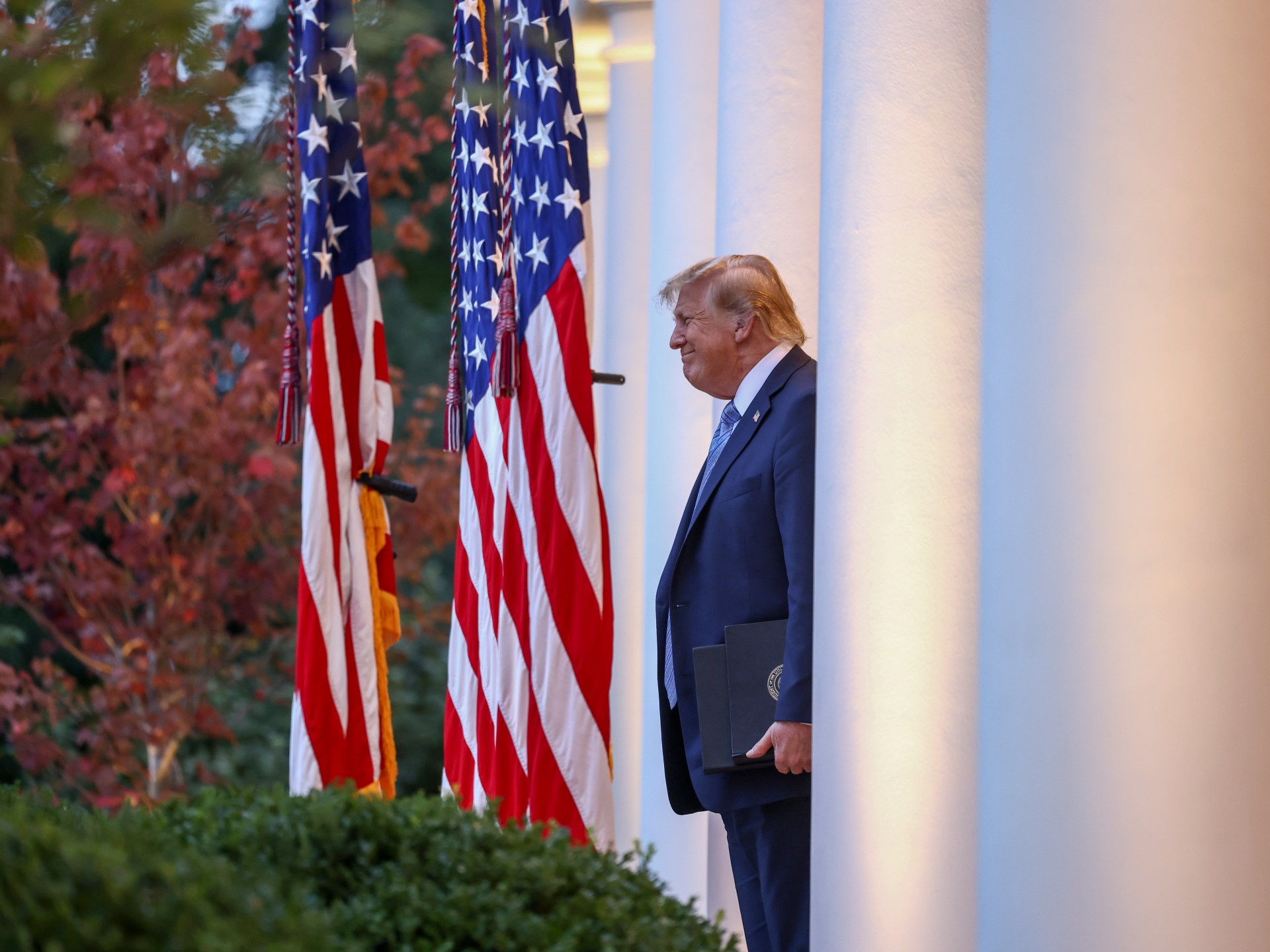
Trump Approval Plummets to Record Low Amid Iran Conflict and Economic Fallout
Donald Trump's approval ratings hit historic lows as the conflict with Iran and soaring inflation erode core Republican support, triggering profound economic and geopolitical repercussions worldwide.
Geopolitical & Core Developments
The unfolding confrontation between the United States and Iran has precipitated a profound political crisis domestically, with President Donald Trump experiencing a precipitous decline in public approval ratings. Recent polling data indicates that core Republican support has dropped sharply from 82 percent to 73 percent, marking a significant erosion of political capital. This downward trajectory is directly linked to the compounding pressures of an active military engagement in the Middle East and persistent domestic economic headwinds. As diplomatic channels fracture and military escalations persist, strategic stakes for Washington continue to multiply. The administration faces mounting bipartisan scrutiny over its long-term strategy in the Persian Gulf, where deterrence efforts have thus far failed to stabilize regional security architecture or prevent retaliatory disruptions.
Global Trade & Economic Ripples
The geopolitical friction in the Middle East has sent immediate shockwaves through international commodity markets, most notably in global energy sectors. With critical shipping lanes such as the Strait of Hormuz facing heightened security threats, crude oil benchmarks have experienced extreme volatility, threatening to reverse months of tentative inflationary cooling. Global supply chains, still vulnerable to lingering post-pandemic bottlenecks and prior geopolitical shocks, are absorbing increased freight and insurance costs. These logistics burdens are cascading across agricultural and industrial raw materials, driving up production costs worldwide. Currency markets have similarly reflected this instability, with emerging market currencies weakening against a resurgent safe-haven US dollar, further complicating debt servicing and international trade balances for developing nations heavily reliant on imported energy.
Related Intelligence: Pakistan and Iran Forge Deeper Ties for Regional Stability and Trade
International Reactions & Diplomatic Stances
Multilateral institutions and foreign capitals have responded to the deteriorating situation with deep apprehension. Officials at the United Nations have issued urgent appeals for immediate de-escalation, warning that sustained conflict in the Persian Gulf threatens broader global economic stability and humanitarian access. European allies, grappling with their own domestic energy security challenges, have expressed growing frustration over the lack of a coordinated diplomatic roadmap. Meanwhile, market analysts and rating agencies have begun revising growth forecasts downward for major economies, citing the dual threats of prolonged energy price shocks and tightening monetary policies required to combat resurgent inflation driven by the conflict.
Strategic Outlook & Future Scenarios
Looking ahead, the trajectory of both the US administration's political fortunes and global market stability will depend heavily on the duration and scope of the Iran conflict. Upcoming diplomatic summits and international forums will likely serve as critical pressure points for brokering a ceasefire or establishing maritime security corridors. However, the risk of further geopolitical escalation remains acute, with potential secondary sanctions on energy exporters threatening to tighten global supplies even further. As central banks monitor these developments closely, policymakers face the delicate task of balancing inflation control against the risk of inducing broader economic stagnation, making the coming months a pivotal test for international governance and commercial resilience.
Join Our Official WhatsApp Channel
Receive live commodity alerts, policy changes, and commercial intelligence directly on WhatsApp.