
Macron Secures Saudi Diesel Supply in Surprise Riyadh Talks
French President Emmanuel Macron concluded a surprise diplomatic mission to Riyadh, securing supplemental diesel volumes from Saudi Arabia while reinforcing bilateral security and energy cooperation.
Geopolitical & Core Developments
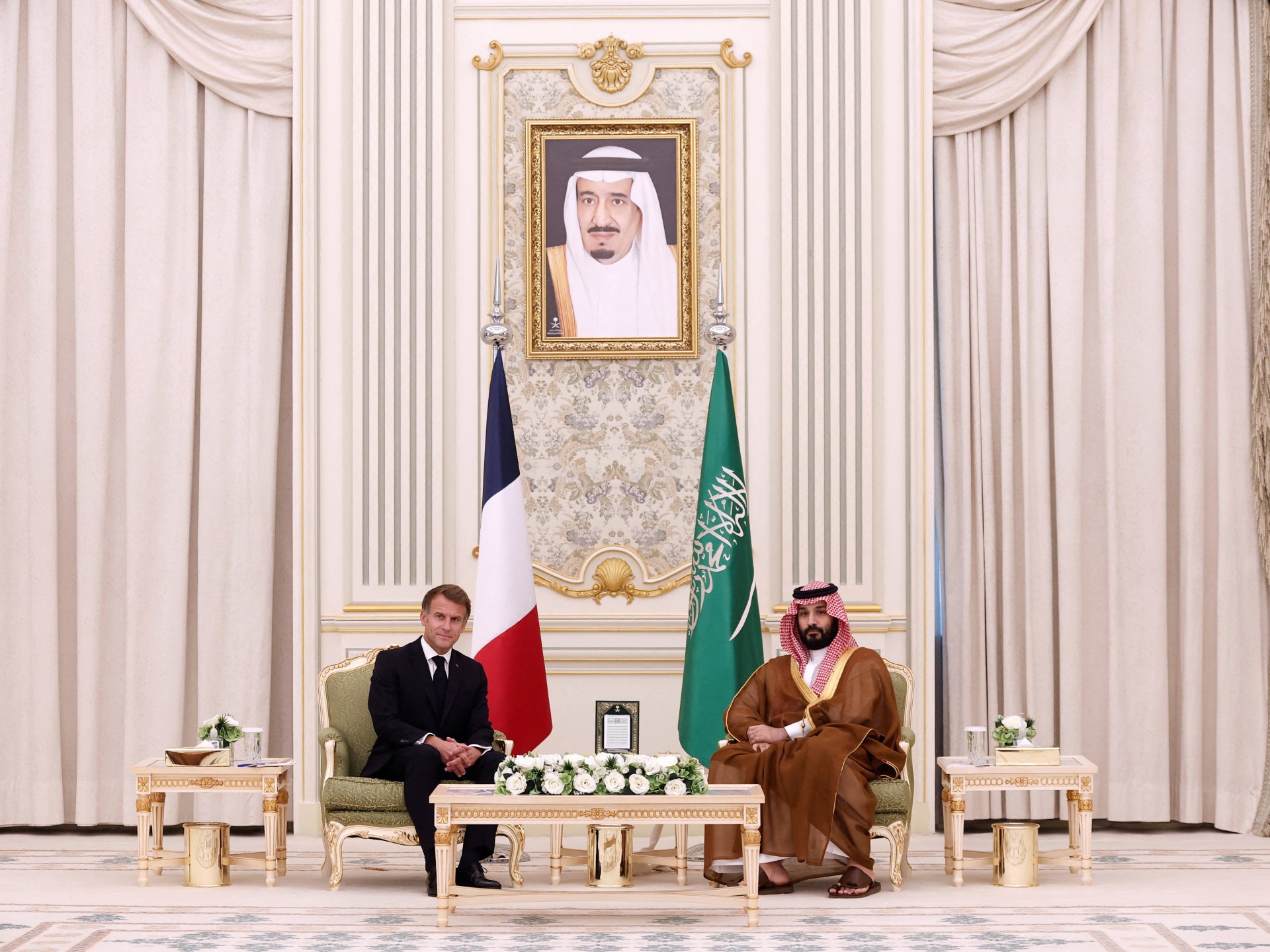
French President Emmanuel Macron concluded an unannounced high-stakes diplomatic visit to Riyadh on Thursday, engaging in extensive closed-door negotiations with Saudi Crown Prince and Prime Minister Mohammed bin Salman. The hastily arranged bilateral summit centered on urgent European energy security requirements, Middle Eastern maritime stability, and strategic capital allocation across bilateral industrial projects. Central to the talks was an official agreement guaranteeing supplemental refined petroleum shipments—predominantly ultra-low sulfur diesel—from Saudi Aramco to French distribution networks ahead of the forthcoming seasonal demand peak.
The diplomatic engagement highlights Paris's ongoing push to cultivate non-Russian hydrocarbon channels while positioning France as a pivotal European diplomatic broker in the Persian Gulf. Following extensive consultations at Al-Yamamah Palace, officials confirmed that the talks also addressed regional containment frameworks, cross-Mediterranean trade integration, and coordinated infrastructure investments. The sudden nature of the summit underscores the operational urgency felt in Paris regarding sovereign refining capacity deficits and refined product supply lines, prompting direct head-of-state intervention to cement baseline commercial deliveries.
Global Trade & Economic Ripples
The agreement introduces immediate commercial ramifications for international middle distillate flows and refined product pricing. European refining capacity has experienced structural deficits over the past two years, leaving key continental economies heavily reliant on imported gasoil. By locking in expanded Saudi export allocations, France mitigates immediate tightness on the benchmark ICE Low Sulphur Gasoil complex, providing temporary margin relief to domestic industrial consumers and transportation logistics operators.
For Saudi Arabia, the commitment validates national downstream capital deployment, specifically leveraging advanced domestic refining assets such as SATORP and the Jazan complex. The diversion of additional volumes to Northwest Europe will alter middle distillate arbitrage dynamics, likely pulling diesel away from secondary Asian import hubs and elevating competitive bidding along Mediterranean shipping lanes. Furthermore, the commercial transactions, executed within traditional dollar-clearing channels, reaffirm the petrodollar architecture despite broader multilateral discussions surrounding local-currency settlement mechanisms for sovereign commodity trades.
Related Intelligence: Jamaat-e-Islami Announces Nationwide Protest Campaign Against Surging Petroleum Levies
International Reactions & Diplomatic Stances
The bilateral arrangement drew focused interest across European capitals and energy monitoring agencies. The International Energy Agency acknowledged the stabilization effect of bilateral sovereign product agreements, noting that targeted supply interventions remain necessary to counter global refining bottlenecks. European Union trade delegates in Brussels quietly welcomed the additional volumes, recognizing that French domestic stability lowers aggregate demand pressures across the interconnected continental pipeline and storage matrix.
Conversely, geopolitical analysts noted the delicate diplomatic balancing act maintained by Paris. Middle East policy institutes observed that while France continues to advocate for human rights and regional de-escalation across multilateral forums, industrial survival mandates uncompromised pragmatism with major OPEC producers. Officials in Riyadh framed the outcome as evidence of the kingdom's institutional reliability as a global energy stabilizing anchor, demonstrating its capacity to guarantee physical product availability during periods of structural market divergence.
Strategic Outlook & Future Scenarios
The Riyadh summit establishes an expanded framework for broader industrial and diplomatic cooperation throughout the coming fiscal year. Looking ahead, market participants anticipate secondary bilateral working groups to convene in Paris to negotiate co-investment protocols in zero-carbon energy vectors, notably green and blue hydrogen networks, alongside civil nuclear engineering consultations. These energy discussions are anticipated to parallel negotiations regarding French defense equipment modernization contracts for regional maritime protection forces.
However, medium-term execution risks persist. Any renewed escalation along Red Sea transit routes threatens commercial tanker passage through the Bab el-Mandeb strait, potentially forcing refined product cargoes around the Cape of Good Hope and inflating freight insurance premiums. Should transport disruptions escalate, the cost advantage of Saudi diesel deliveries could erode rapidly. For now, the direct diplomatic intervention provides France with critical supply certainty, solidifying Saudi Arabia's preeminent role in sovereign European energy security strategies.
Join Our Official WhatsApp Channel
Receive live commodity alerts, policy changes, and commercial intelligence directly on WhatsApp.