
Jamaat-e-Islami Announces Nationwide Protest Campaign Against Surging Petroleum Levies
Jamaat-e-Islami has declared a nationwide protest campaign starting October 23 against elevated petroleum levies and surging power tariffs, threatening logistical disruptions across commercial corridors.
The Core Development
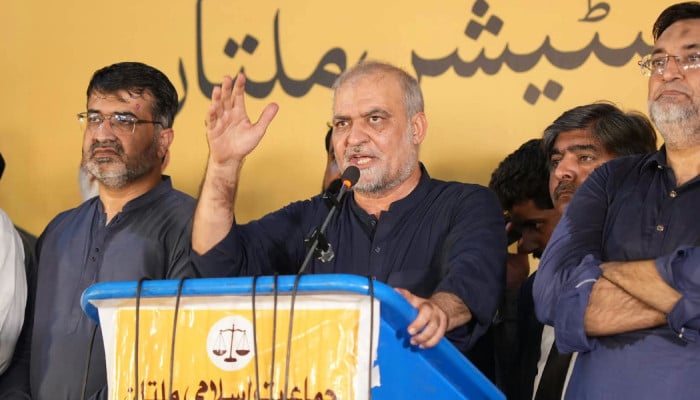
Jamaat-e-Islami (JI) has formally announced the third phase of its nationwide agitation movement scheduled to commence on October 23, intensifying pressure on the federal administration over fiscal policy decisions. The political party, led by Emir Hafiz Naeem ur Rehman, has mounted sustained resistance against compounding taxation structures, principally the escalating Petroleum Development Levy (PDL) and soaring base electricity tariffs. Speaking from Islamabad, party leadership detailed a comprehensive calendar of sit-ins, demonstrations, and public rallies designed to coalesce public grievances surrounding utility inflation and direct indirect taxation.
This latest escalation follows earlier phases of localized demonstrations and sit-ins along major transit arteries, which the leadership argues were met with insufficient fiscal concessions from the government. Under Pakistan's ongoing agreements with multilateral lenders, including the International Monetary Fund (IMF), the federal government has incrementally raised the petroleum levy toward statutory ceilings to shore up external financing targets and achieve budgetary consolidation. JI leadership contends that these fiscal adjustments disproportionately penalize low- and middle-income segments and domestic enterprise, announcing that the impending protests will target provincial headquarters and critical transport nodes nationwide.
Commercial & Economic Implications
For Pakistan's commercial ecosystem, the planned agitation introduces severe friction into supply chains, intercity trade logistics, and retail distribution networks. Road haulage operators and freight transit networks running through the primary north-south corridors face potential transit delays, elevating operational risk across fast-moving consumer goods (FMCG), agricultural perishables, and industrial inputs. Prolonged transit bottlenecks reliably induce artificial inventory shortages, pushing spot wholesale prices upward in urban wholesale markets.
The broader structural contention centers on the systemic inflationary pass-through of petroleum levies. Transport charges dictate upstream cost structures for raw materials, manufacturing operations, and last-mile retail deliveries. When fuel duties are leveraged as a baseline fiscal revenue instrument, operational margins across domestic trading firms tighten significantly. Small-to-medium enterprises (SMEs) and wholesale traders in major commercial centers, who lack the capital buffers to absorb abrupt fuel-driven shipping surcharges, are forced to pass increased logistics costs onto consumer prices, compounding headline inflation metrics.
Related Intelligence: JI Announces Third Wave of Anti-Petroleum Levy Protests Across Pakistan
Stakeholder Perspectives & Market Reactions
Commercial traders, market associations, and transport syndicates have expressed mounting apprehension regarding the dual pressures of government fuel levies and recurring political strikes. While chambers of commerce and wholesale distributor unions broadly sympathize with the demand for rationalized fuel taxation and manageable power tariffs, trade bodies voice sharp concern over the economic costs of localized highway blockades and market closures. Retail merchants note that persistent operational uncertainty deters wholesale footfall and complicates inventory turnover.
Conversely, macroeconomic analysts and economic policy officials emphasize that the government holds negligible fiscal room to maneuver. Adherence to strict fiscal deficit targets agreed under the IMF Extended Fund Facility (EFF) mandates robust petroleum levy revenues and cost-reflective energy tariffs to avert circular debt accumulation. Federal spokespersons have maintained that fiscal consolidation remains prerequisite to macro-stabilization, cautioning that concessions on fuel levies would jeopardize program compliance and destabilize the exchange rate.
Forward Outlook & Key Watchpoints
The trajectory of the October 23 mobilization hinges on the scale of commercial shutdown JI manages to orchestrate and the response of administrative law enforcement across Punjab, Sindh, and Khyber Pakhtunkhwa. Key watchpoints include the positioning of regional transport unions, whose alignment with or avoidance of the strike actions will dictate the real severity of supply chain interruptions.
Market participants must closely monitor cabinet-level deliberations on POL (petroleum, oil, and lubricants) pricing adjustments, sovereign revenue metrics, and administrative security measures at major logistics entry points. Should the mobilization gather sustained commercial backing, the federal administration may face compounding pressure to explore alternative non-tax fiscal adjustments or offer targeted relief packages to avert systemic disruption in critical consumer trade corridors.
Join Our Official WhatsApp Channel
Receive live commodity alerts, policy changes, and commercial intelligence directly on WhatsApp.