
Government Slashes Petrol Price by Rs2.71, Raises Diesel Rate Marginally
Pakistan's federal government has reduced motor petrol prices by Rs2.71 per litre while raising high-speed diesel by Re0.31 per litre following the latest fortnightly fuel price review.
The Core Development
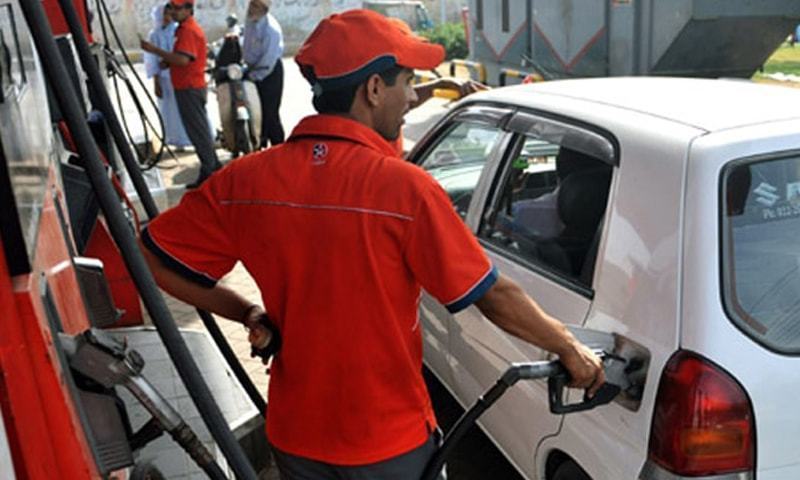
The federal government on Friday notified a bifurcated adjustment in domestic fuel rates for the forthcoming fortnight, lowering the retail price of motor gasoline (petrol) by Rs2.71 per litre while marginally raising the price of high-speed diesel (HSD) by Re0.31 per litre. The formal notification, sanctioned by the Ministry of Finance upon the determinations submitted by the Oil and Gas Regulatory Authority (OGRA), reflects shifting international petroleum benchmarks and domestic landed cost calculations.
Under the revised pricing mechanism, retail petrol (MS-92) has been adjusted downward to alleviate pressures on everyday motorists, white-collar commuters, and light commercial vehicle operators. Conversely, the minor uptick in high-speed diesel prices maintains pressure on the heavy commercial transport and agricultural infrastructure. The pricing revision took immediate effect across ex-depot supply installations and downstream filling stations nationwide following the midnight changeover.
Commercial & Economic Implications
While the reduction in petrol pricing provides nominal breathing room for urban household budgets and private transit, the upward adjustment in high-speed diesel carries asymmetric economic implications. High-speed diesel functions as the critical operational backbone of Pakistan's industrial logistics, overland freight networks, and agricultural tube-wells. Even a fractional increase of Re0.31 per litre directly compounds operational overheads across national distribution channels.
Wholesale distribution hubs, fleet operators, and FMCG supply chains operating out of Punjab, Sindh, and Khyber Pakhtunkhwa face persistently high baseline transport expenditures. Secondary effects are anticipated across retail food distribution, where freight tariffs directly inform final shelf prices in urban consumer markets. Furthermore, the agrarian sector, currently managing critical irrigation cycles and pre-harvest machinery operations, remains highly sensitive to any upward movement in diesel tariffs, dampening the positive disinflationary momentum reported in broader headline price indices.
Related Intelligence: Macron Secures Saudi Diesel Supply in Surprise Riyadh Talks
Stakeholder Perspectives & Market Reactions
Industry representatives and commercial transport bodies have expressed mixed reactions to the selective price adjustments. The All Pakistan Goods Transport Owners Association noted that while the diesel hike is quantitative small, freight charges cannot realistically soften without sustained downward revisions in HSD tariffs. Market analysts highlighted that the government continues to optimize Petroleum Development Levy (PDL) collections to satisfy revenue targets mandated by structural economic stabilization programs.
Wholesale trader associations and retail merchant federations emphasized that piecemeal adjustments in petrol prices fail to reverse entrenched retail inflation. Urban consumers welcomed the minor respite at retail fuel pumps, though market consensus among energy analysts underscores that volatile global crude benchmarks and currency fluctuations continue to restrict substantial fiscal relief for downstream end-users.
Forward Outlook & Key Watchpoints
The trajectory of domestic petroleum rates over the subsequent fortnightly cycles remains contingent upon global geopolitical developments across Middle Eastern shipping lanes, refinery crack spreads, and crude output decisions by OPEC+. Market participants must closely observe foreign exchange parity trends, as central bank reserves and currency stability directly govern the import parity pricing formula computed by OGRA.
On the policy enforcement front, provincial administrations and price control magistrates face renewed scrutiny regarding transport fares. Historically, intercity passenger transit operators swiftly capitalize on diesel hikes to raise passenger tariffs while resisting proportional fare reductions following downward revisions in motor fuel. Ensuring equitable passthrough to final consumers will be the decisive factor in translating international fuel moderation into broad-based domestic economic relief.
Join Our Official WhatsApp Channel
Receive live commodity alerts, policy changes, and commercial intelligence directly on WhatsApp.