
Canada Pushes LNG Expansion Amid Scrutiny Over Investor Human Rights
Canada's drive to position itself as a premier global LNG exporter faces pushback over corporate consortium links to international human rights issues and environmental accountability.
Geopolitical & Core Developments
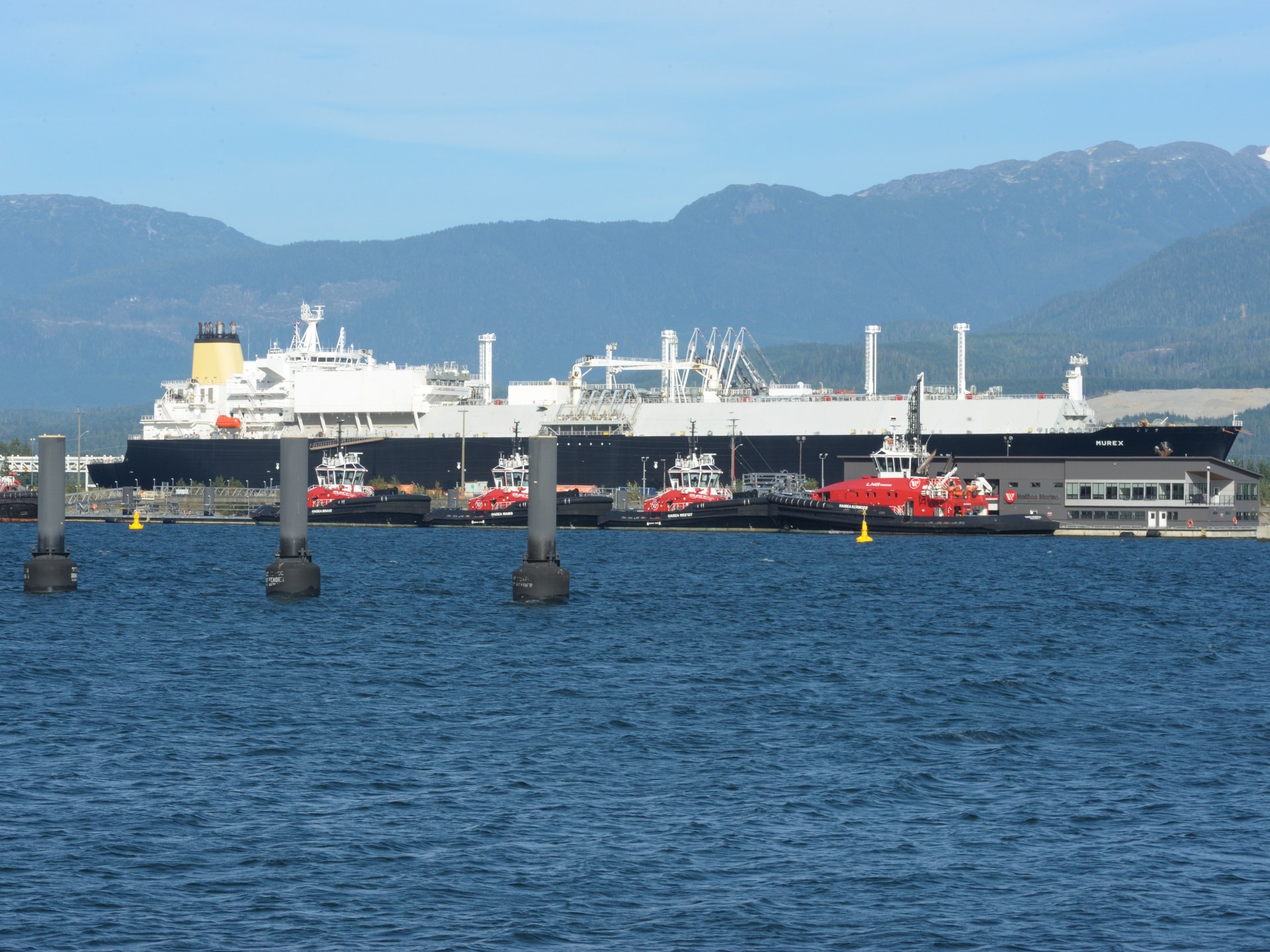
Canada is advancing its multi-billion-dollar liquefied natural gas export strategy, aiming to establish itself as a critical energy supplier to deficit-plagued markets across Asia and post-Russian-dependent Europe. Driven by extensive shale reserves in the Western Canadian Sedimentary Basin, the flagship LNG Canada terminal in Kitimat, British Columbia, represents a pivotal geographic pivot toward trans-Pacific energy trade. However, this strategic economic expansion is confronting intensified scrutiny from environmental oversight groups, civil society organizations, and Indigenous communities concerning the records of multinational consortium partners.
Federal and provincial policymakers have framed Canadian LNG as a geopolitical asset capable of stabilizing allied energy security and displacing higher-emitting coal infrastructure abroad. Yet critics argue that commercial alignment with multinational joint ventures involves corporate entities facing scrutiny over operations in developing jurisdictions. The friction exposes an emerging diplomatic dilemma: reconciling Canada’s foreign policy commitment to democratic values and corporate accountability with its acute commercial ambition to dominate the Pacific basin energy corridor.
Global Trade & Economic Ripples
From a market perspective, Canadian export terminals offer substantial transit advantages over US Gulf Coast competitors. Pacific-facing terminals allow tankers to reach Tokyo and Seoul in under ten days, bypassing transit bottlenecks such as the drought-affected Panama Canal. This route compression offers tangible freight reductions, lowering the delivered cost per million British thermal units and minimizing voyage-related carbon emissions.
Nevertheless, the commercial viability of future expansion phases—such as Cedar LNG and Ksi Lisims—remains sensitive to rigorous Environmental, Social, and Governance compliance. With sovereign wealth funds and institutional asset managers enforcing stricter due diligence metrics, allegations of governance lapses among consortium participants could elevate capital costs. Furthermore, long-term offtake agreements negotiated by Japanese, South Korean, and European utilities are increasingly tied to audited human rights and emissions data, risking contractual delays if governance controversies remain unresolved.
Related Intelligence: Middle Powers Forge Strategic Defense Axis Across Middle East and Asia
International Reactions & Diplomatic Stances
Multilateral human rights bodies and international civil society networks have called on the Canadian government to enforce extraterritorial corporate accountability measures. Advocates emphasize that domestic regulatory approvals must examine the broader human rights track record of foreign state-backed and multinational partners operating within Canadian borders. Organizations such as Amnesty International have argued that state sponsorship of major infrastructure must not decouple commercial profitability from humanitarian standards.
In response, Canadian government representatives and industry associations argue that the country operates under one of the world's most stringent environmental and regulatory frameworks. Federal authorities reiterate that export licenses remain conditional on comprehensive Indigenous consultations and environmental net-zero benchmarks. Diplomatic envoys from allied nations, particularly in East Asia, have refrained from intervening directly in corporate governance disputes, prioritizing long-term energy contracts to hedge against Middle Eastern transit disruptions and volatility in global Henry Hub pricing.
Strategic Outlook & Future Scenarios
Moving into the medium term, Canada's LNG sector sits at an operational crossroads. If industry leaders successfully navigate governance challenges and establish verifiable corporate transparency protocols, Canada could capture an estimated 10 percent of the global LNG supply by 2035, securing hundreds of billions in trade surpluses and solidifying Western security alliances.
Conversely, escalation of human rights litigations or intensifying domestic protests could trigger prolonged regulatory delays. As global energy markets transition from supply shortages toward tighter ESG scrutiny and potential surplus capacity late in the decade, non-commercial liabilities will carry greater economic weight. The ability of Ottawa and its corporate partners to harmonize ethical compliance with energy export targets will dictate whether Canada emerges as a primary energy powerhouse or remains constrained by institutional disputes.
Join Our Official WhatsApp Channel
Receive live commodity alerts, policy changes, and commercial intelligence directly on WhatsApp.