
Brazilian Presidential Election Triggers Global Commodity and Trade Volatility
Brazil's high-stakes presidential election has sent ripples through global commodity markets and international trade networks, as foreign investors weigh future fiscal and environmental policies.
Geopolitical & Core Developments
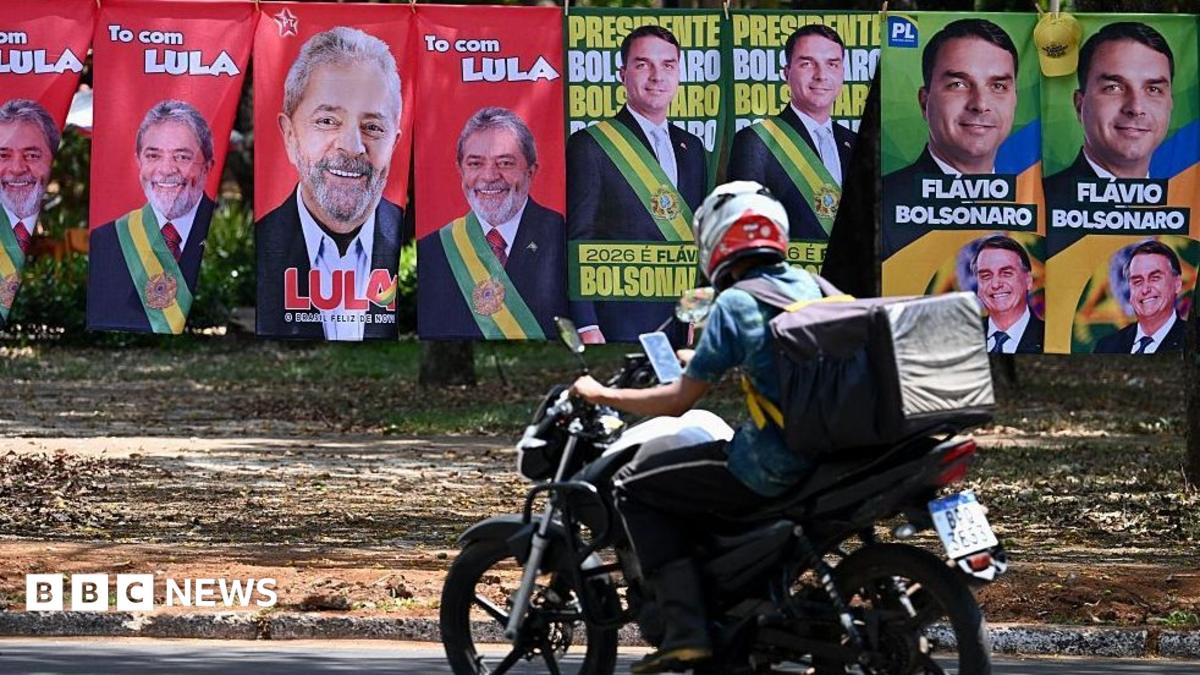
Millions of Brazilians headed to the polls on Sunday for the first round of the country's highly polarized presidential elections, setting the stage for a critical runoff that will determine the geopolitical and economic trajectory of Latin America's largest nation. The electoral process, overseen by robust domestic judicial institutions, has drawn intense scrutiny from international observers, state actors, and diplomatic corps worldwide. At stake is not merely the domestic leadership of Brazil, but the nation's posture on global environmental pacts, regional integration within Mercosur, and strategic partnerships with major global powers including the United States, the European Union, and China. The campaign has underscored deep societal divisions, characterized by fierce debates over fiscal austerity, public spending, institutional stability, and the governance of the Amazon rainforest. As the political landscape shifts, state actors are recalibrating their diplomatic engagements to anticipate potential realignments in Brasilia's foreign policy.
Global Trade & Economic Ripples
Beyond domestic politics, the electoral outcome carries profound implications for global trade, commodity pricing, and supply chain stability. Brazil remains an indispensable pillar of international commerce as a dominant exporter of agricultural commodities—including soybeans, beef, and coffee—as well as vital minerals and offshore crude oil. International commodity markets have displayed heightened volatility as traders price in the regulatory, tax, and environmental risks associated with the competing candidates. A shift in administrative priorities could rapidly alter export tariffs, domestic subsidies, and environmental compliance standards, directly affecting global food security and input costs for importing nations across Asia, Europe, and North America. Furthermore, foreign exchange markets have closely tracked the Brazilian real, with currency fluctuations rippling through broader emerging market indices and influencing capital flows across the Global South.
Related Intelligence: Karachi Factory Blaze Exposes Industrial Safety Deficits and Supply Chain Risks
International Reactions & Diplomatic Stances
Multilateral bodies, international financial institutions, and foreign governments have closely monitored the electoral proceedings, issuing measured statements emphasizing the importance of democratic resilience and institutional integrity in Brazil. Representatives from the United Nations have underscored the significance of Brazil's climate commitments, given its stewardship of the Amazon basin, urging all political factions to uphold environmental protections regardless of electoral outcomes. Meanwhile, market analysts and credit rating agencies in major financial hubs such as New York, London, and Frankfurt have released advisory notes evaluating sovereign risk, debt sustainability, and fiscal projections. Trading partners in the European Union have reiterated that future bilateral trade agreements will hinge upon strict adherence to anti-deforestation measures and sustainable agricultural practices, introducing a complex diplomatic dynamic into future trade negotiations.
Strategic Outlook & Future Scenarios
As Brazil prepares for the decisive second round of voting, the strategic outlook for international commerce remains contingent upon the final electoral arithmetic and the incoming administration's legislative coalition-building capacity. Upcoming international summits, including G20 and climate conferences, will serve as immediate diplomatic barometers for the new government's foreign policy priorities. Analysts anticipate that any significant divergence from current fiscal frameworks could trigger capital flight or, conversely, unlock substantial foreign direct investment should market-friendly reforms be credibly signaled. Geopolitical escalation points will likely center around trade disputes, environmental compliance verification mechanisms, and the broader strategic competition between Western economies and China for influence in South America's premier economic powerhouse.
Join Our Official WhatsApp Channel
Receive live commodity alerts, policy changes, and commercial intelligence directly on WhatsApp.