
Brazil Presidential Showdown Grips Global Markets and Geopolitics
Brazil's fiercely contested presidential election between incumbent Lula da Silva and Senator Flavio Bolsonaro triggers intense global scrutiny, carrying major implications for international commodity markets and South American geopolitics.
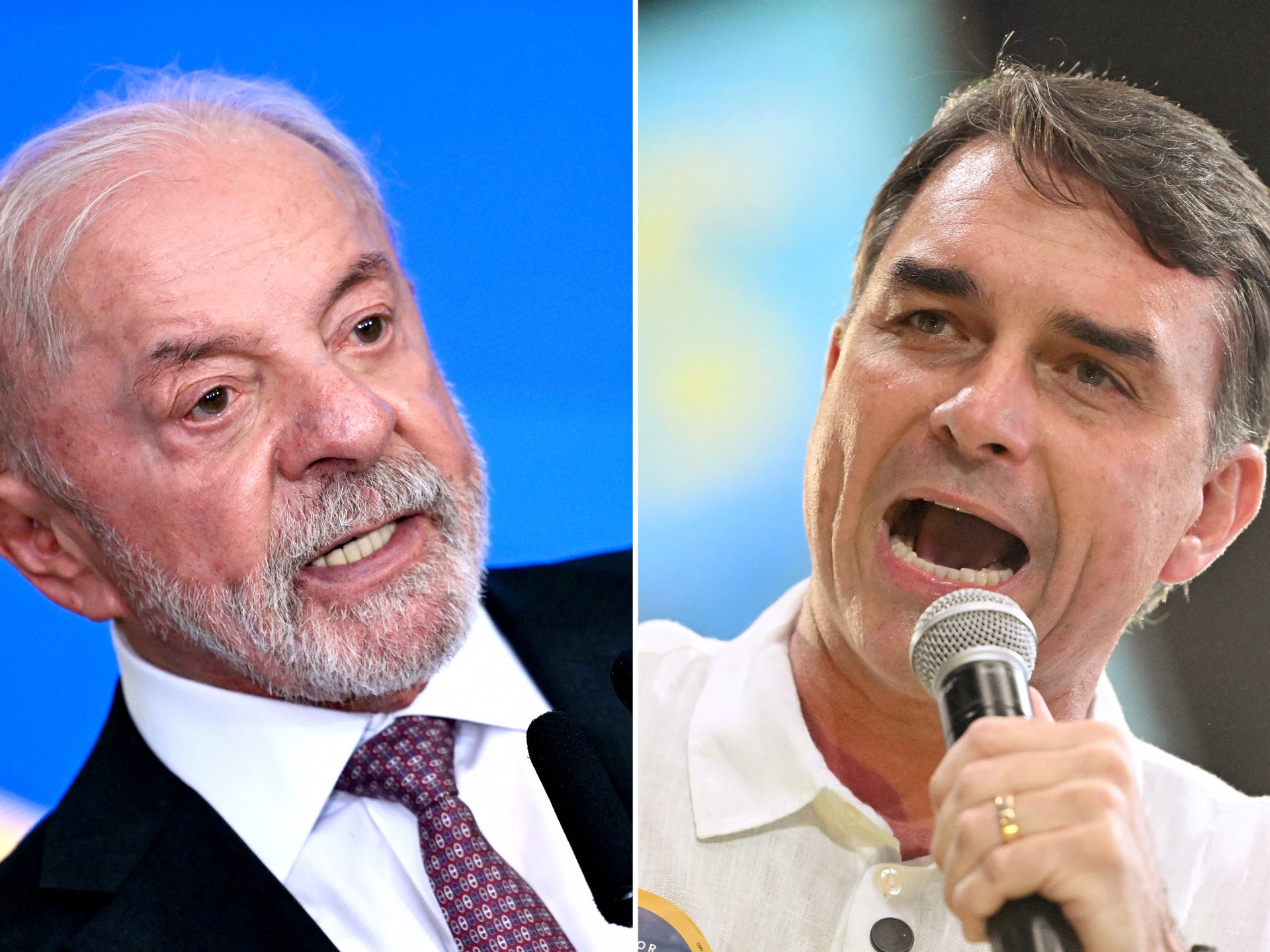
Geopolitical & Core Developments
The presidential race in Brazil has intensified into a high-stakes political showdown, pitting veteran leftist incumbent Luiz Inácio Lula da Silva against right-wing challenger Senator Flavio Bolsonaro. As the world's fourth-largest democracy heads to the polls, the electoral contest transcends domestic boundaries, emerging as a pivotal ideological bellwether for Latin America and the broader Western Hemisphere. Lula, seeking a historic fourth mandate, campaigned on a platform centered on social welfare consolidation, institutional stability, and the restoration of Brazil's traditional multilateral diplomacy. Conversely, Senator Bolsonaro, carrying the political mantle of his father, former President Jair Bolsonaro, has rallied a galvanized conservative coalition around fiscal austerity, deregulation, and national sovereignty.
The strategic stakes for the international community are profound. Brazil occupies a central position in global environmental governance, particularly regarding the Amazon rainforest. Under Lula's administration, environmental protections and international climate partnerships have been prioritized to curb deforestation and secure green financing from Western partners. A victory for the Bolsonaro camp would likely pivot Brazil's foreign policy toward nationalist alignment, emphasizing bilateral trade pacts and challenging multilateral environmental mandates. The tight electoral margins underscore deep societal polarization, raising international concerns regarding institutional resilience and the peaceful transfer of power in South America's geopolitical anchor.
Global Trade & Economic Ripples
International commodity markets and global supply chains are closely monitoring the Brazilian electoral deadlock, given the nation's dominant role as an agricultural and energy powerhouse. Brazil is the world's leading exporter of soybeans, iron ore, and beef, alongside a major producer of crude oil and renewable biofuels. Any prolonged political instability or sudden shifts in regulatory frameworks threaten to induce volatility across agricultural futures and industrial raw material pricing.
Energy markets are similarly sensitive to the electoral outcome. Petrobras, the state-controlled oil giant, faces potential strategic redirection depending on the victor. While Lula's administration has leveraged Petrobras for domestic fuel price stabilization and strategic industrial investments, conservative factions advocate for accelerated privatization and market-driven pricing. Furthermore, international shipping lanes originating from South American ports could experience operational adjustments if trade policy shifts toward protectionism or closer alignment with specific geopolitical blocs. Currency markets have already reflected heightened risk aversion, with the Brazilian real experiencing fluctuations against the US dollar as foreign institutional investors hedge against policy unpredictability.
Related Intelligence: Russian Strikes on Kyiv Bridges Trigger Renewed Supply Chain Anxieties
International Reactions & Diplomatic Stances
Global capitals and multilateral organizations are maintaining a vigilant stance as election results unfold. Western governments, including the United States and European Union member states, have emphasized the paramount importance of transparent democratic processes and respect for electoral institutions. European policymakers are particularly attentive to the implications for the stalled European Union-Mercosur trade agreement, which hinges heavily on environmental compliance and political alignment between Brussels and Brasília.
Multilateral financial institutions, such as the International Monetary Fund and the World Bank, have underscored the necessity of fiscal discipline and structural reforms to sustain Brazil's economic recovery. Market analysts across Wall Street and major European financial centers warn that a protracted electoral dispute could temporarily freeze foreign direct investment. Global credit rating agencies have signaled that while Brazil's macroeconomic fundamentals remain resilient, political polarization poses a persistent risk to long-term sovereign credit trajectories.
Strategic Outlook & Future Scenarios
As the electoral tally enters its decisive phase, the immediate trajectory for Brazil involves navigating a deeply fractured legislature regardless of the ultimate victor. Executive governance will require extensive coalition-building to pass critical fiscal reforms and maintain macroeconomic stability. Upcoming international summits, including forthcoming G20 engagements and United Nations climate conferences, will serve as crucial diplomatic forums where the newly elected administration must articulate its foreign policy and environmental commitments.
Geopolitical escalation points may emerge depending on the degree of contestation surrounding the election results. Should challenges to the electoral tally persist, domestic unrest could momentarily disrupt commercial logistics and damp investor sentiment across the region. However, robust institutional checks and balances are widely expected to contain systemic risks. For global traders and multinational corporations operating within South America's largest economy, strategic agility and continuous risk assessment remain essential as Brazil charts its course for the next presidential term.
Join Our Official WhatsApp Channel
Receive live commodity alerts, policy changes, and commercial intelligence directly on WhatsApp.