
Yemeni Energy Collapse Threatens Regional Stability and Humanitarian Crisis
Profound energy shortages in Yemen cripple essential medical services and exacerbate humanitarian suffering, posing secondary risks to critical Red Sea trade routes.
Geopolitical & Core Developments
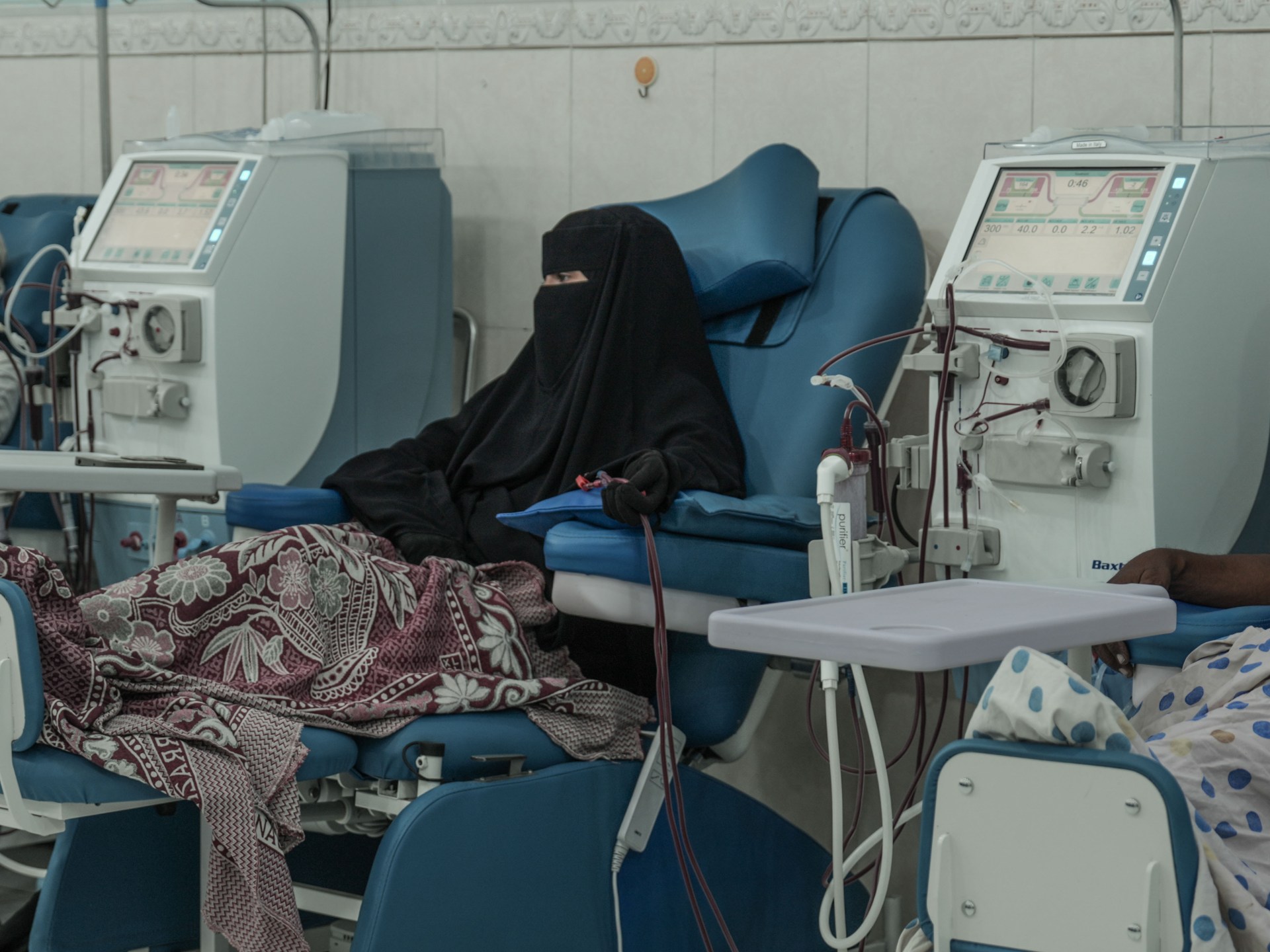
The humanitarian catastrophe unfolding in southern Yemen, catalyzed by chronic and crippling power outages, underscores the deep systemic fractures remaining in the wake of a decade-long civil conflict. In Aden and surrounding governorates, the complete failure of municipal electricity grids has transformed daily survival into an uphill battle for millions of citizens. Hospitals and intensive care units, forced to rely on sporadic and starved diesel generator supplies, find themselves routinely on the brink of absolute blackout. Vaccines spoil, surgical procedures face unprecedented jeopardy, and vulnerable populations endure sweltering conditions without climate control or clean water access.
At the heart of this crisis lies a complex web of geopolitical fragmentation, fiscal insolvency within the internationally recognized government, and disrupted fuel imports. The inability to secure steady shipments of heavy fuel oil for power plants stems from a severe foreign exchange shortage and paralyzed state revenue streams, compounded by ongoing contestation over sovereign economic assets. While formal combat operations have subsided into an uneasy, fractured truce, the structural warfare has shifted to economic and infrastructural sabotage, leaving civilian infrastructure as the primary casualty.
Global Trade & Economic Ripples
Although Yemen is not a major oil exporter in its current fractured state, its geographic positioning dictates immense commercial consequences for global trade. Situated directly adjacent to the Bab el-Mandeb strait—a vital maritime chokepoint through which millions of barrels of oil and billions of dollars in manufactured goods pass daily between the Indian Ocean and the Suez Canal—any prolonged instability ashore carries immediate systemic risks.
The localized energy collapse serves as a barometer for broader regional security failures. Supply chain disruptions, heightened marine insurance premiums, and rerouting pressures stemming from the wider Red Sea security crisis directly intersect with Yemen's internal decay. International shipping lines operating in these critical waters must factor in the unpredictable security environment, where domestic state failure ashore diminishes maritime domain awareness and creates safe havens for non-state actors capable of projecting force into critical commercial lanes. Consequently, commodity traders monitoring energy flows view the unfolding humanitarian crisis in Aden not merely as a local tragedy, but as a symptom of a chronically unstable maritime frontier.
Related Intelligence: Libyan Educational Crisis Threatens National Stability and Energy Supply Chains
International Reactions & Diplomatic Stances
Multilateral organizations and international aid agencies have issued escalating warnings regarding the total collapse of basic services in southern Yemen. The United Nations Office for the Coordination of Humanitarian Affairs (OCHA) has repeatedly emphasized that funding shortfalls, combined with severe logistical impediments, severely restrict the delivery of emergency fuel and medical supplies to municipal hospitals.
Diplomatic missions from Western and regional powers engaged in Yemeni peace tracks have expressed grave concern that deteriorating living standards will derail fragile political negotiations. Analysts from global risk intelligence firms note that international partners face a difficult policy dilemma: providing direct financial bailouts to sustain basic municipal services risks entrenching corrupt governance structures, while withholding aid guarantees accelerated civilian suffering and potential mass displacement. Meanwhile, regional powers remain divided on long-term reconstruction financing, preferring to manage immediate border security risks rather than committing capital to comprehensive economic rehabilitation.
Strategic Outlook & Future Scenarios
Looking ahead, the trajectory of Yemen's energy crisis points toward recurrent cycles of acute collapse unless structural monetary and logistical reforms are urgently implemented. Upcoming diplomatic summits addressing Middle Eastern security are expected to place humanitarian access and infrastructure stabilization on the agenda, though concrete financial pledges remain elusive.
If international donors fail to secure a reliable mechanism for subsidized fuel imports into Aden, the humanitarian situation will likely deteriorate further, potentially igniting renewed civil unrest and protests that could spill over into vital transport corridors. For global commodity markets and geopolitical strategists, the situation serves as a stark reminder that protracted conflicts leave legacy vulnerabilities capable of disrupting regional stability and international trade networks with little advance warning.
Join Our Official WhatsApp Channel
Receive live commodity alerts, policy changes, and commercial intelligence directly on WhatsApp.