
Japan-US Security Alliance Faces Severe Strain Following Okinawa Homicide
The arrest of a US Marine for a local woman's killing in Okinawa has sparked fierce protests across Japan, threatening bilateral security pacts and regional stability.
Geopolitical & Core Developments
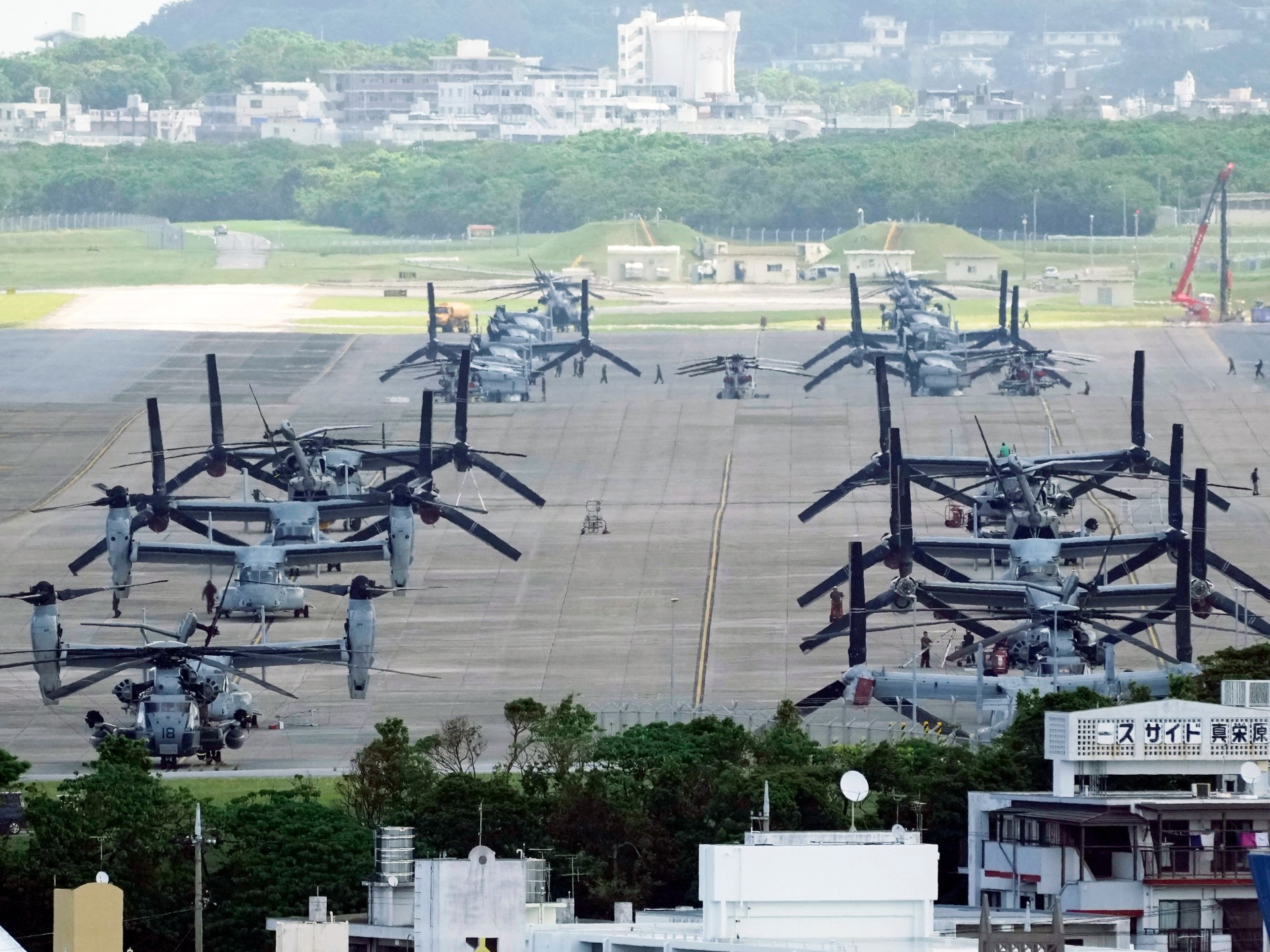
The arrest of a 20-year-old United States Marine in Okinawa on suspicion of killing a local Japanese woman has ignited a wave of public outrage across Japan, severely testing the foundations of the bilateral security alliance. The suspect has denied the charges, yet the incident has immediately galvanized civil society groups, opposition politicians, and local residents who have taken to the streets in Okinawa and Tokyo. Protesters are renewing long-standing demands for a substantial reduction of the US military footprint on the strategically vital island, which hosts the majority of American forces in Japan.
Okinawa has historically borne a disproportionate burden of the US military presence under the Treaty of Mutual Cooperation and Security. The latest tragedy revives decades-old grievances regarding crimes committed by service members, the legal loopholes provided by the status-of-forces agreement (SOFA), and environmental concerns surrounding base operations. Tokyo's central government finds itself in a delicate diplomatic bind, balancing its paramount strategic partnership with Washington against mounting domestic pressure to protect local sovereignty and public safety. Japanese Prime Minister's administration has expressed deep regret over the incident, summoning US diplomatic officials to demand rigorous cooperation with local law enforcement and preventive measures to curtail service member misconduct.
Global Trade & Economic Ripples
While the crisis is fundamentally diplomatic and security-oriented, prolonged civil unrest and political friction in Okinawa carry subtle economic and commercial implications for the wider Indo-Pacific region. Okinawa functions as a critical logistical linchpin for regional stability, maritime trade security, and supply chain integrity in the East China Sea. Any sustained political instability, port blockades, or institutional friction affecting US military installations could inadvertently introduce friction into regional logistics and defense-industrial supply chains.
Furthermore, investor sentiment regarding Japanese commercial stability can be sensitive to prolonged domestic unrest. While foreign exchange markets and global commodity pricing have not experienced immediate shocks from the diplomatic spat, institutional analysts are closely monitoring potential delays in bilateral defense procurement and infrastructure projects, such as the contentious relocation of the Futenma air station to Henoko. Prolonged protests could also influence consumer confidence and retail trade within Okinawa's tourism-dependent economy, which remains vulnerable to reputational shocks and social disruption.
Related Intelligence: Libyan Educational Crisis Threatens National Stability and Energy Supply Chains
International Reactions & Diplomatic Stances
Official responses from Washington have emphasized deep condolences to the victim's family alongside a commitment to full transparency and cooperation with Japanese judicial authorities. The US Department of Defense has pledged adherence to bilateral legal frameworks while managing the immediate public relations fallout. However, human rights organizations and international observers have seized the moment to scrutinize the systemic protections afforded to military personnel stationed abroad under bilateral SOFA frameworks.
Regional actors, particularly Beijing, are closely monitoring the diplomatic fallout. Chinese state media and geopolitical commentators have utilized the incident to highlight perceived vulnerabilities and friction points within the US-led alliance network in East Asia, aiming to drive a wedge between Tokyo and Washington. Meanwhile, multilateral bodies and international legal experts are emphasizing the imperative of transparent judicial proceedings to uphold the rule of law and maintain public trust in international security partnerships.
Strategic Outlook & Future Scenarios
Looking ahead, the incident is poised to dominate upcoming diplomatic engagements between Tokyo and Washington, potentially complicating negotiations over host-nation support funding and joint operational readiness. If public protests escalate or if the judicial process is perceived as opaque, the Japanese government may be forced to enact stricter curfew and conduct regulations for US personnel, altering daily base operations.
Ultimately, while the bilateral security architecture is robust enough to withstand acute diplomatic crises, the tragedy underscores the persistent fragility of foreign military basing arrangements. The trajectory of US-Japan relations will depend heavily on the transparency of the forthcoming legal proceedings and the willingness of Washington to address long-standing local grievances regarding base management and sovereignty.
Join Our Official WhatsApp Channel
Receive live commodity alerts, policy changes, and commercial intelligence directly on WhatsApp.