
Lebanese Premier Demands Israeli Withdrawal Amid Ongoing Artillery Strikes
Lebanese Prime Minister Nawaf Salam has pressed the United Nations for a permanent Israeli withdrawal and ceasefire consolidation, as persistent artillery exchanges threaten regional security and Eastern Mediterranean trade corridors.
Geopolitical & Core Developments
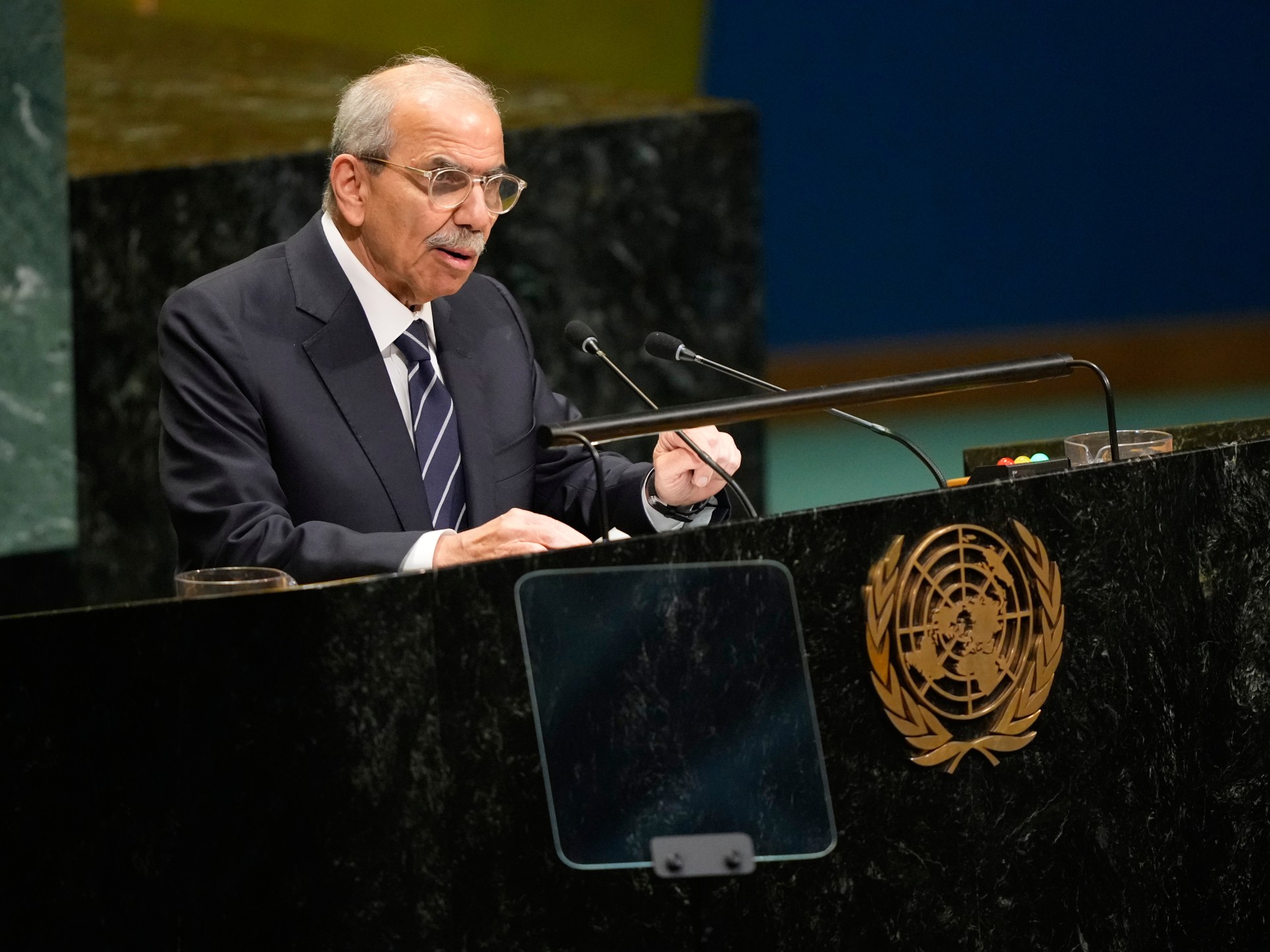
Lebanese Prime Minister Nawaf Salam utilized his address at the United Nations to demand the immediate consolidation of the fragile, US-brokered ceasefire alongside a comprehensive withdrawal of Israeli forces from southern Lebanese territory. The diplomatic offensive comes against a backdrop of persistent artillery shelling and low-intensity skirmishes that continue to plague the border region, undermining the nascent cessation of hostilities negotiated earlier in the year. State actors in Beirut have emphasized that long-term stabilization remains contingent upon the complete cessation of cross-border fire and the restoration of Lebanese state sovereignty up to the internationally recognized Blue Line.
The strategic stakes for the Levant remain extraordinarily high. For months, military engagements have displaced tens of thousands of civilians, strained municipal infrastructure, and heightened the risk of a broader regional conflagration involving external state and non-state actors. While Washington continues to push for diplomatic compliance and localized de-escalation frameworks, regional capitals remain deeply polarized regarding the enforcement mechanisms of the current truce. The inability to secure a lasting standstill threatens to entrench a permanent buffer zone, drawing sharp rebukes from the administration in Beirut and complicating ongoing regional normalization efforts.
Global Trade & Economic Ripples
While direct combat operations remain largely contained to the borderlands, the persistent instability carries profound implications for global commodity markets, particularly concerning Eastern Mediterranean energy exploration and maritime trade corridors. Shipping lines operating through the eastern basin of the Mediterranean remain on heightened alert, with marine insurers continuously reassessing risk premiums for vessels transiting near Levantine ports. Although major global crude oil benchmarks have largely priced in the localized nature of the conflict, any sudden escalation that threatens regional hydrocarbon infrastructure or crucial transit bottlenecks could trigger immediate volatility in global energy prices.
Furthermore, the protracted crisis severely impedes Lebanon's domestic economic recovery, restricting agricultural exports from the fertile Beqaa Valley and discouraging foreign direct investment across key commercial sectors. Neighboring economies, including Jordan and regional trade hubs, are closely monitoring the security matrix to safeguard supply chains against sudden disruptions. The lingering uncertainty directly impacts investor confidence throughout the broader Middle East, feeding cautious sentiment across international currency markets and heightening risk aversion among global institutional investors.
Related Intelligence: Sudan Refugee Surge to Chad Strains Aid Networks and Regional Stability
International Reactions & Diplomatic Stances
The United Nations leadership and various multilateral bodies have reiterated their support for the full implementation of historical UN Security Council resolutions, calling on all parties to exercise maximum restraint. Western diplomatic missions have backed the US-brokered framework, though European Union officials have stressed the urgent need for robust humanitarian access and increased financial aid to support displaced populations inside Lebanon. Meanwhile, regional powers have offered diverging perspectives; some advocate for immediate international peacekeeping reinforcements, while others caution against external overreach that could entrench geopolitical divisions.
Market analysts and geopolitical risk consultancies suggest that current diplomatic channels are operating under severe strain. Rating agencies note that prolonged military friction paralyzes structural reform efforts in Beirut, rendering international financial assistance conditional upon verifiable security guarantees. Multilateral lenders maintain that sustainable economic rebuilding cannot proceed while sovereign territory remains contested by active military engagements and unresolved border demarcations.
Strategic Outlook & Future Scenarios
Looking ahead, the trajectory of the crisis will depend heavily on the diplomatic capital Washington and its allies are willing to expend to enforce compliance from both state and non-state actors. Upcoming diplomatic summits and UN Security Council briefings will serve as critical barometers for whether the current ceasefire can evolve into a durable political settlement or merely serve as a temporary pause before renewed hostilities. Key escalation points include potential disputes over border demarcation, the disarmament protocols of local militias, and the broader geopolitical standoff involving regional heavyweights.
Should diplomatic efforts falter, the risk of a severe military re-escalation remains elevated, with potential repercussions for international shipping, regional energy security, and global commodity pricing. Conversely, successful enforcement of the prime minister's demands could unlock critical reconstruction funds and restore normal maritime commerce in the Eastern Mediterranean, offering a much-needed stabilizing influence for the global economy.
Join Our Official WhatsApp Channel
Receive live commodity alerts, policy changes, and commercial intelligence directly on WhatsApp.