
Sudan Refugee Surge to Chad Strains Aid Networks and Regional Stability
Over 55,000 Sudanese refugees have flooded into eastern Chad as daily arrivals surge twentyfold, prompting urgent UN appeals for international funding amid escalating humanitarian strain.
Geopolitical & Core Developments
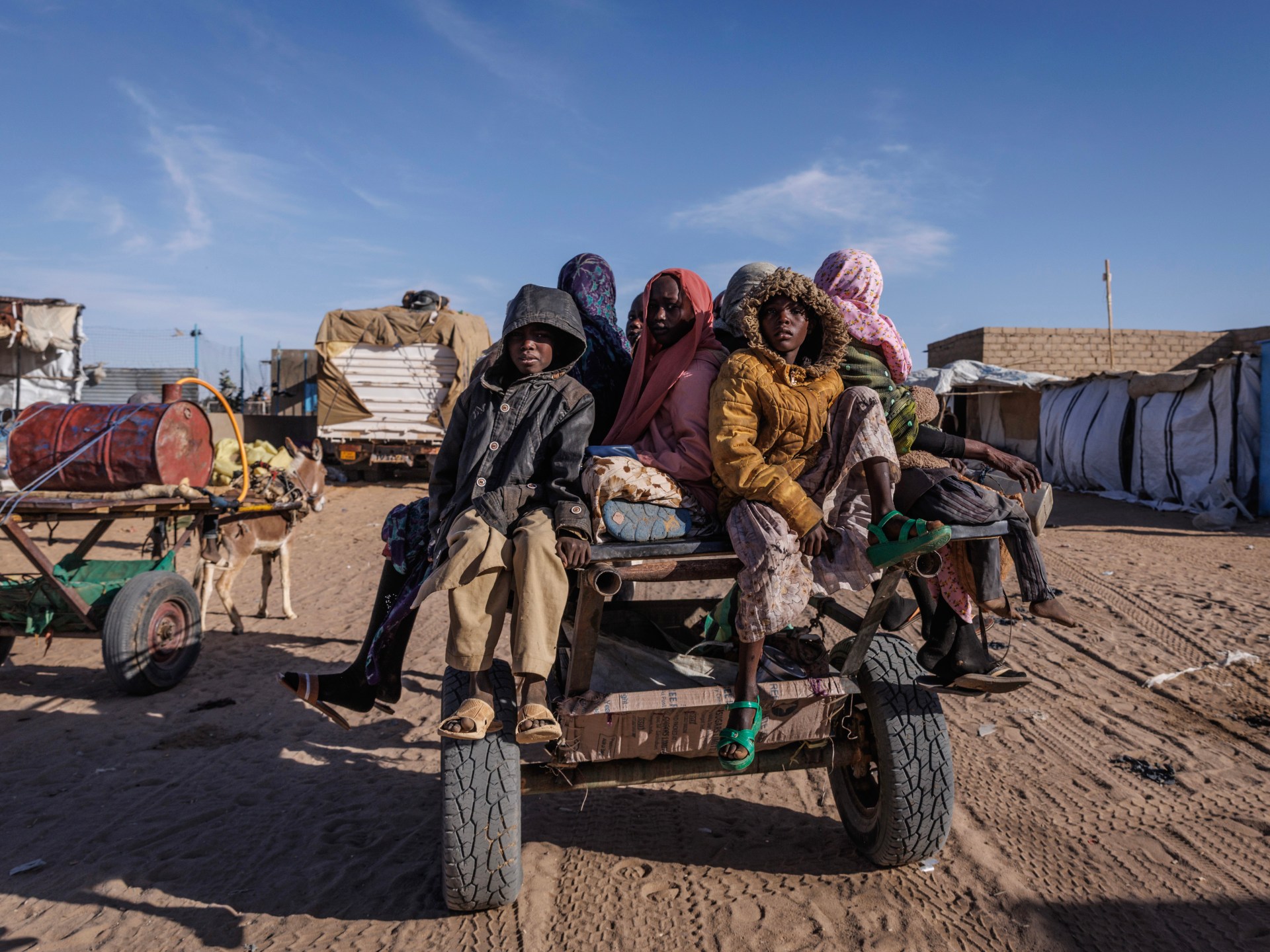
The humanitarian crisis along the Sudan-Chad border has intensified dramatically, with the United Nations reporting that more than 55,000 Sudanese refugees have crossed into eastern Chad in recent weeks. The influx represents an alarming acceleration in displacement, driven by unrelenting internal conflict between the Sudanese Armed Forces and the Rapid Support Forces. According to UN agencies, approximately 400 individuals now cross the border daily—a rate roughly twenty times higher than the previous baseline. This sudden surge is overwhelming transit camps and local host communities, which are already grappling with chronic food insecurity and limited infrastructure. Diplomatic efforts led by regional bodies, including the Intergovernmental Authority on Development and the African Union, have struggled to secure a lasting ceasefire, leaving humanitarian corridors as the primary lifeline for fleeing populations. The geopolitical fallout threatens to spill across borders, destabilizing the wider Sahel and Central African regions as governance structures fracture under the weight of mass migration.
Global Trade & Economic Ripples
While the immediate crisis is humanitarian, the displacement wave carries profound economic and commercial implications for regional trade and commodity markets. Eastern Chad serves as a critical transit zone for cross-border commerce, pastoral migration, and regional supply chains connecting Central and North Africa. The influx of tens of thousands of refugees has severely disrupted local agricultural production and livestock trading, pushing staple food prices higher in regional markets. Furthermore, the diversion of state resources toward border security and emergency response strains national budgets in landlocked transit economies. Although global energy and shipping lanes remain insulated from direct physical disruption, persistent instability in the broader Sudan theater continues to inject risk premiums into regional investment, commercial logistics, and infrastructural projects designed to link the Red Sea corridor with landlocked interior markets.
Related Intelligence: Trump-Xi Summit Exposes Strategic U.S. Disadvantage Across the Global South
International Reactions & Diplomatic Stances
International bodies and major donor governments have responded with mounting alarm to the deteriorating conditions in eastern Chad. The UN High Commissioner for Refugees has issued an urgent appeal for international funding to scale up emergency shelter, clean water, and healthcare provisions before the rainy season worsens logistical bottlenecks. Western governments have condemned the ongoing hostilities in Sudan, emphasizing the failure of warring factions to protect civilians or respect international humanitarian law. However, multilateral aid pledges have lagged behind actual requirements, drawing sharp criticism from humanitarian organizations operating on the ground. Regional actors, meanwhile, are urging the United Nations Security Council to adopt a more robust diplomatic framework that ties financial assistance to verifiable humanitarian access and the establishment of protected safe zones along contested border territories.
Strategic Outlook & Future Scenarios
Looking ahead, the trajectory of the Sudan-Chad border crisis will depend heavily on whether international donors can rapidly disburse emergency funds and whether diplomatic pressure can curtail the internal conflict. Without a halt to the fighting, demographers and humanitarian analysts warn that the refugee population in eastern Chad could triple within the next two quarters, creating a protracted humanitarian emergency that strains local ecological and economic carrying capacities. Upcoming multilateral donor conferences and African Union summits will serve as critical junctures for mobilizing resources and redefining regional security strategies. Failure to stabilize the borderlands risks entrenching a permanent humanitarian crisis, compounding trade disruptions, and fueling secondary geopolitical instabilities across the broader Sahelian and East African commercial spheres.
Join Our Official WhatsApp Channel
Receive live commodity alerts, policy changes, and commercial intelligence directly on WhatsApp.