
Trump-Xi Summit Exposes Strategic U.S. Disadvantage Across the Global South
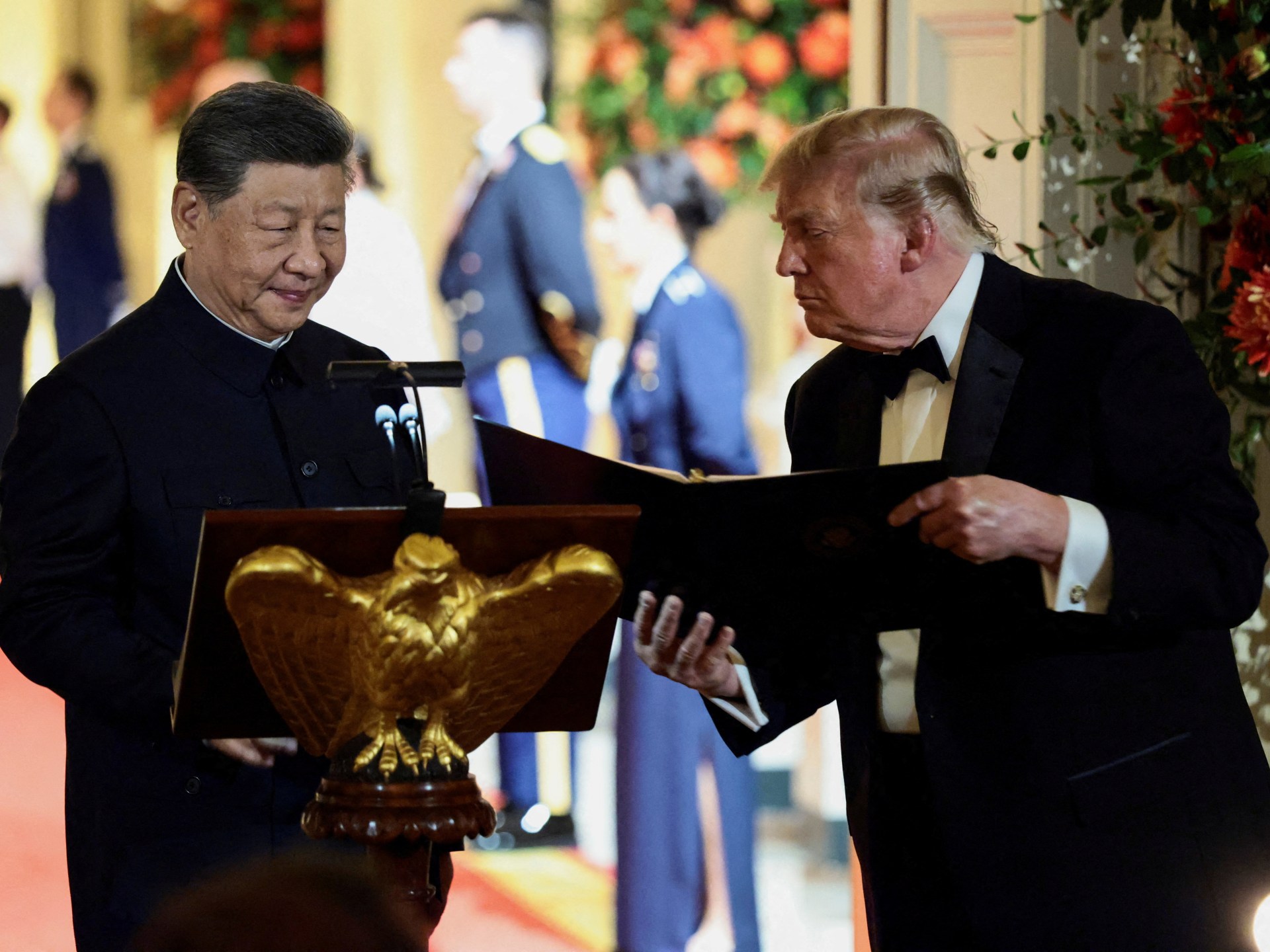
Recent high-level diplomatic friction between Washington and Beijing highlights a widening U.S. disadvantage in the Global South, where nations increasingly favor China's model of non-interfering economic partnership.
Geopolitical & Core Developments
The recent high-stakes diplomatic engagement between Washington and Beijing has laid bare a profound strategic dilemma for U.S. foreign policy: the United States is increasingly finding itself at a structural disadvantage in the Global South. While Western diplomatic overtures consistently press emerging economies for comprehensive security alignment and democratic governance reforms, Beijing has successfully positioned itself as an alternative partner. China's diplomatic architecture relies heavily on strategic flexibility, offering infrastructure investments and capital deployment without the accompanying human rights stipulations or military alliance demands that typically characterize Western aid packages. This divergence in statecraft has transformed the Global South into the primary theater of twenty-first-century geopolitical competition, forcing developing nations to carefully balance their economic reliance on the East against their traditional security ties with the West. The diplomatic friction was notably exacerbated during the latest Trump-Xi summit discussions, where conflicting visions for international governance clashed over sovereignty, trade access, and technological standards.
Global Trade & Economic Ripples
The deepening geopolitical chasm between the United States and China carries severe ramifications for global trade networks, international shipping lanes, and critical commodity markets. As Washington implements tighter export controls and secondary sanctions to corral developing nations into its economic sphere, supply chains face continuous fragmentation. Developing economies rich in transition minerals—such as lithium, cobalt, and rare earth elements—are caught in a regulatory tug-of-war, complicating long-term commodity pricing and extraction agreements. Energy markets, in particular, remain vulnerable to these diplomatic realignments. Major petroleum-producing states in the Global South are increasingly diversifying their bilateral trade settlements away from the U.S. dollar, utilizing alternative currencies for cross-border energy transactions. This trend toward financial decoupling threatens to erode the long-term dominance of Western financial institutions while increasing hedging costs for multinational corporations navigating dual-circuits of trade.
International Reactions & Diplomatic Stances
Multilateral institutions and regional bodies have responded to the widening U.S.-China divide with mounting anxiety. Officials at the United Nations have repeatedly warned that zero-sum great power competition risks paralyzing global cooperation on urgent issues, including debt restructuring for impoverished nations and coordinated climate finance. Meanwhile, developing nations within the G77 and ASEAN blocs have emphasized their commitment to strategic autonomy, openly rejecting false dichotomies that demand exclusive partnerships. Independent market analysts and geopolitical risk consultancies note that Beijing's pragmatic diplomacy resonates strongly with regimes seeking rapid infrastructure development unburdened by external political conditionalities. Conversely, Western policymakers argue that Chinese lending practices risk debt-trap diplomacy, though this narrative has gained limited traction among capitals more focused on immediate infrastructure deficits and economic survival.
Strategic Outlook & Future Scenarios
Looking ahead, the geopolitical trajectory of the Global South will likely be defined by transactional neutrality, with emerging markets extracting maximum concessions from both Washington and Beijing. Upcoming international summits, including BRICS expansions and G20 ministerial meetings, will serve as critical barometers for measuring the erosion of traditional Western hegemony. Should the United States fail to adapt its diplomatic toolkit from coercion to competitive economic engagement, it risks finding itself marginalized in the fastest-growing consumer and resource markets. Investors must prepare for persistent regulatory friction, heightened trade barriers, and bifurcated technological standards that will permanently alter the landscape of international commerce.
Join Our Official WhatsApp Channel
Receive live commodity alerts, policy changes, and commercial intelligence directly on WhatsApp.