
Poland Fortifies Air Defenses Following Provocations Amid Escalating Ukraine Conflict
Poland escalates eastern border security as alleged Russian incursions rattle NATO allies, while simultaneous Ukrainian strikes on Russian infrastructure during parliamentary elections heighten global market anxieties.
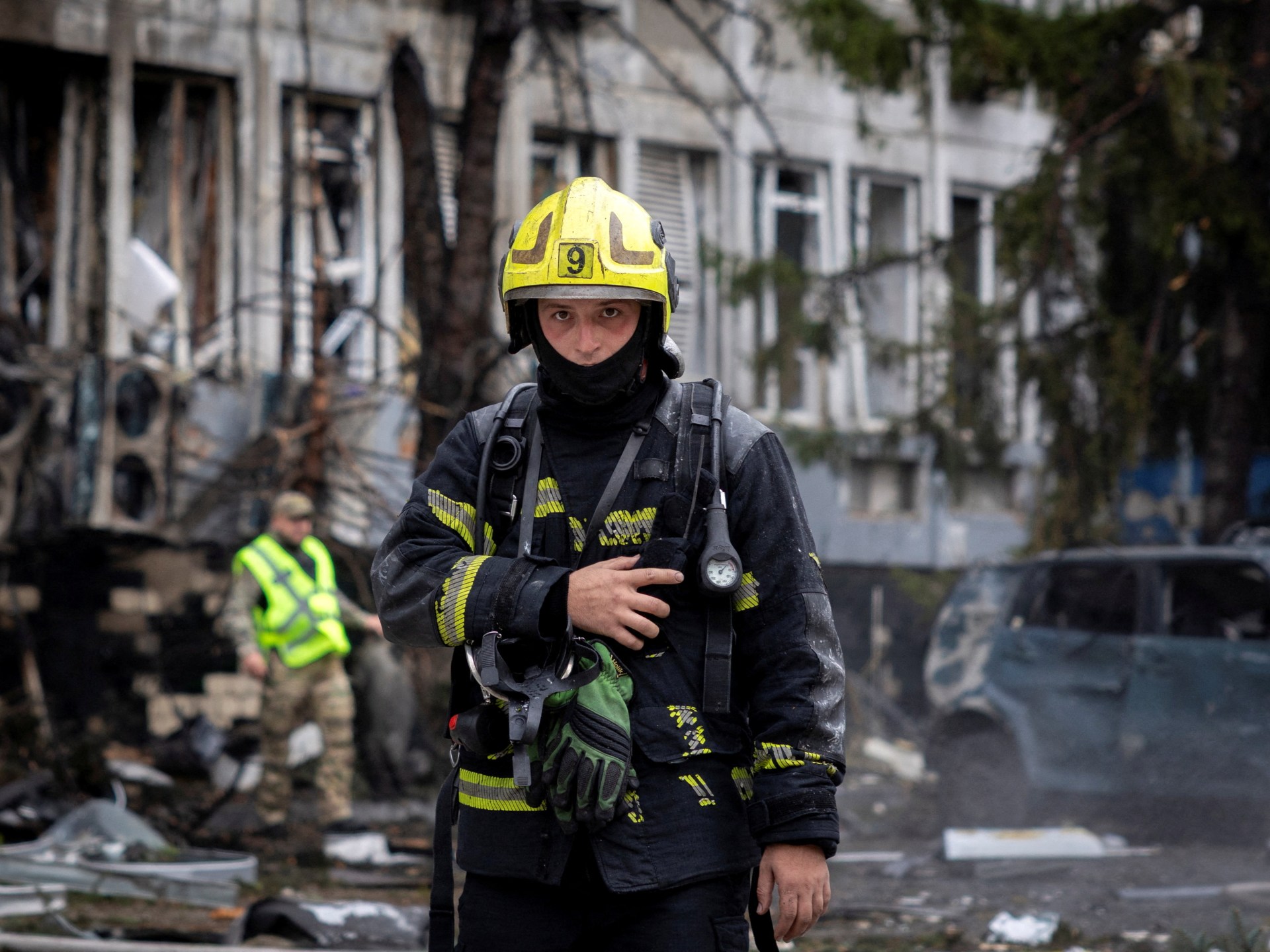
Geopolitical & Core Developments
Poland has officially escalated its military readiness along its eastern frontier, reinforcing air defense networks in response to a surge of alleged Russian provocations linked to the ongoing war in Ukraine. The recent airspace violations, which have triggered emergency scrambles of NATO fighter jets, represent a dangerous evolution in the friction between Moscow and the Western alliance. These developments unfold against the backdrop of synchronized Ukrainian long-range drone strikes targeting strategic energy and military infrastructure inside Russia, deliberately timed to coincide with high-stakes parliamentary voting sessions.
The strategic calculus on both sides has shifted dramatically. For Warsaw, the persistent proximity of stray munitions and unauthorized aerial objects has transformed a localized border concern into an acute national security crisis, compelling the government to invoke heightened readiness protocols. Meanwhile, Kyiv's operational tempo demonstrates an aggressive deterrence strategy, projecting force deep into Russian territory to disrupt logistical networks and challenge the political narrative of stability propagated during electoral cycles. As military commands on both flanks remain on high alert, the threshold for miscalculation along the eastern European theater has reached its highest point since the conflict's inception.
Global Trade & Economic Ripples
International commodity markets and global supply chains have reacted swiftly to the deteriorating security matrix in Eastern Europe. Energy markets remain acutely sensitive to any disruption near major transit hubs, with natural gas and crude oil benchmarks experiencing intraday volatility following reports of strikes near vital pipeline corridors. European wholesale power prices edged higher as traders factored in the growing probability of infrastructure damage or retaliatory blockades affecting Black Sea shipping lanes.
Beyond energy, agricultural commodities—particularly wheat and fertilizer inputs originating from the wider Black Sea breadbasket—faced renewed pricing pressures. Freight rates and maritime insurance premiums for vessels operating in regional waters have adjusted upward, reflecting the escalating risk profile of regional trade routes. Industrial supply chains dependent on European manufacturing hubs are similarly bracing for potential logistical bottlenecks, as transport networks are periodically disrupted or diverted to accommodate emergency military logistics and heightened border inspections.
Related Intelligence: Prime Minister Shehbaz Addresses UNGA on Regional Stability and Economic Growth
International Reactions & Diplomatic Stances
Diplomatic channels across capitals have activated emergency consultations in the wake of the Polish border incidents. NATO leadership reaffirmed its unwavering commitment to collective defense under Article 5, issuing stern warnings to Moscow against any further reckless endangerment of allied airspace. Western capitals coordinated statements condemning the escalation, emphasizing that provocations near NATO borders risk a wider regional conflagration.
Conversely, Moscow has dismissed Western allegations regarding deliberate airspace incursions, instead framing Ukrainian electoral-period strikes as acts of desperation designed to sabotage domestic political proceedings. Multilateral bodies, including representatives from the United Nations, have issued urgent appeals for maximum restraint, warning that the intensification of kinetic operations during sensitive political windows severely undermines prospects for future diplomatic engagement or humanitarian de-escalation.
Strategic Outlook & Future Scenarios
Looking ahead, the trajectory of the conflict points toward a protracted period of heightened military posture and economic defensiveness across Europe. Upcoming international summits, including forthcoming G7 and European Union ministerial meetings, are expected to prioritize robust air defense coordination and the potential tightening of secondary sanctions targeting entities facilitating Russia's military-industrial supply chains.
Geopolitical escalation points remain centered around the integrity of NATO's eastern flank and the durability of critical infrastructure networks. Should airspace incursions persist, analysts anticipate further troop reinforcements, expanded electronic warfare deployment, and potentially stricter enforcement of maritime and aviation restrictions. Ultimately, the convergence of military brinkmanship and electoral politics ensures that global commodity markets and diplomatic channels will remain highly reactive to any localized flashpoints in the weeks to come.
Join Our Official WhatsApp Channel
Receive live commodity alerts, policy changes, and commercial intelligence directly on WhatsApp.